
Mini-Split Tune Up in Louisville, CO

Mini-Split Tune Up in Louisville, CO
Keeping a mini-split running at peak performance in Louisville, CO matters more than ever. With hot Front Range summers, cold winter snaps, seasonal pollen and occasional wildfire smoke, mini-splits face dust, particulate loading, and wide temperature swings that shorten component life and reduce comfort. A focused mini-split tune up addresses the small problems before they become emergency repairs, restores efficiency, and preserves reliable heating and cooling for the rooms you use most.
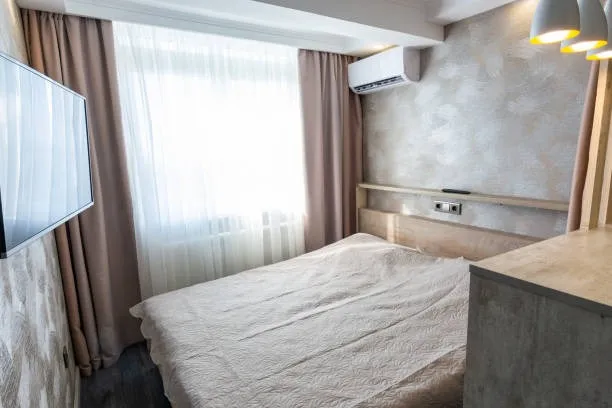
What a focused mini-split tune up includes
A proper tune up is a targeted service visit that inspects, cleans, and verifies system performance. Typical checklist items performed during a Mini-Split Tune Up in Louisville, CO:
- Filter cleaning or replacement
Remove, inspect, and either clean washable filters or replace disposable filters. Filters clogged with pollen, dust, pet hair, or smoke particulates are the most common cause of reduced airflow and poor indoor air quality. - Indoor coil and drain line cleaning
Dust and biological growth on the evaporator coil reduce heat transfer. Technicians clean coils and clear condensate drains to prevent backups and water damage. - Outdoor condenser coil and cabinet inspection
Remove debris, leaves, salt or pollen build-up and check fins for damage. In Louisville, snow melt, spring runoff and nearby vegetation can trap moisture and debris around the outdoor unit. - Blower wheel and motor inspection
Check fan balance, motor bearings, and mounting bolts. Lubricate where applicable and verify smooth operation to reduce noise and premature motor wear. - Refrigerant check and pressure verification
Measure operating pressures and temperatures to confirm correct refrigerant charge and system performance. Cold-season operation and elevation-related factors can alter expected readings, so verification is important for efficiency and compressor longevity. - Thermostat and control calibration
Verify setpoint accuracy, remote sensor function, and that modes (heat/cool/auto) cycle correctly. Many comfort complaints trace back to simple calibration or remote-control issues. - Electrical and safety checks
Inspect wiring, connections, capacitors, contactors and safety devices for wear, overheating or corrosion. Tightening and cleaning electrical components prevents failures and fire risk. - Airflow and pressure measurement
Confirm adequate airflow through indoor units. Restricted flow reduces capacity, increases run-time and can cause icing on coils in heating mode. - Defrost cycle and heat mode performance test
For units used in winter heating, confirm defrost function and verify the system provides expected heat at lower outdoor temperatures. - Noise, vibration and mount inspection
Check isolation pads, mounting hardware and refrigerant line insulators to reduce vibration transfer and rattles into the living space.
Typical time and cost expectations
- Time: Most single-zone mini-split tune ups take about 60 to 90 minutes for a thorough inspection, cleaning and performance checks. Multi-zone systems require additional time per indoor head (typically 30–45 minutes per extra indoor unit).
- Cost: The investment varies with system size, number of indoor units, and any recommended repairs or parts. Final pricing depends on system condition and components found during inspection; homeowners can expect a simple tune up to be a modest preventative expense compared with the cost of major repairs or premature replacement.
Immediate benefits you’ll notice
- Improved comfort and faster temperature recovery — Clean coils and correct refrigerant bring back rated cooling and heating capacity.
- Lower energy use and reduced runtime — Restoring airflow and eliminating restrictions reduces how long the compressor runs, improving seasonal efficiency.
- Quieter operation — Balanced fans and tightened mounts eliminate many common sounds associated with aged mini-splits.
- Reduced risk of mid-season failures — Addressing refrigerant leaks, worn capacitors, and blocked drains prevents inconvenient breakdowns during heat waves or cold snaps.
- Better indoor air quality — Clean filters and coils remove trapped pollen, dust and smoke particles, important during Louisville’s high pollen season and wildfire smoke events.
- Longer equipment life — Routine maintenance reduces stress on compressors and motors, delaying expensive replacements.
Why Louisville, CO homeowners should prioritize tune ups
Louisville’s climate combines high-altitude temperature swings, seasonal pollen, spring dust and periodic wildfire smoke that can load filters and coils rapidly. Snow and freeze-thaw cycles can settle into outdoor cabinets and stress components. Mini-splits often act as both primary and supplemental heat sources here; ensuring they’re inspected before heavy seasonal use keeps them reliable when you need them most.
Signs you need a tune-up now
- Noticeably reduced airflow or uneven room temperatures
- Higher than normal energy bills without behavior changes
- Unusual noises, rattles or frequent short-cycling
- Ice formation on refrigerant lines or indoor coils during heat mode
- Persistent odors coming from indoor heads or drain pan backups
- Visible dust, pollen or smoke residue on filters between scheduled cleanings
Recommended tune-up frequency
- Standard recommendation: A full tune up at least once per year, preferably in spring for cooling season or fall for heating season.
- Optimal for Louisville: Twice yearly — once before cooling season (spring) and once before heating season (fall) — is ideal given seasonal pollen, wildfire risk, and winter heating demands.
- Higher-risk conditions: If you have pets, elevated indoor smoke exposure, heavy dust, or run the system nearly continuously, consider tune ups every 3–6 months or more frequent filter attention.
What homeowners can do between visits
- Clean or replace filters according to manufacturer guidance—often monthly to every three months depending on load.
- Keep outdoor unit free of vegetation, snow and debris; maintain a 2–3 foot clearance.
- Wipe indoor heads and remote sensors to reduce dust build-up.
- Monitor performance and note any new noises, odors or leaks to report at the next service.
What a technician documents and leaves behind
A quality tune up includes a written checklist or report of findings: filter condition, coil cleanliness, refrigerant pressure readings, electrical test results, airflow observations, and any recommended repairs or parts. This record helps track long-term system health and supports correct seasonal adjustments for Louisville’s climate.
Regular, focused mini-split tune ups protect comfort, reduce surprise repairs, and keep your unit running efficiently through Louisville’s variable seasons. In an area where pollen, smoke and temperature swings put extra stress on equipment, scheduled maintenance is the most reliable way to preserve performance and indoor air quality.
Promotions
Save on seasonal system checks from a local team that treats your home like our own.

Testimonials
Neighbors trust Quality Heating & Air for honest work and fair pricing.