
Mini-Split Repair in Louisville, CO

Mini-Split Repair in Louisville, CO
Ductless mini-split systems are a popular solution for targeted heating and cooling in Louisville, CO homes. When they fail, the loss of comfort is immediate: warm rooms in summer, chilly spaces in shoulder seasons, or noisy operation that reduces home quiet. Professional mini-split repair in Louisville, CO focuses on fast, accurate diagnosis and durable fixes for the common faults that affect performance in our semi-arid, high-altitude climate.
Why timely mini-split repair matters in Louisville, CO
Louisville sees hot summer afternoons, cool nights, and occasional winter freezes. Those temperature swings, combined with local dust, pollen, and periodic wildfire smoke, put extra strain on indoor HVAC equipment. Mini-splits working near capacity will show problems sooner and can suffer larger component damage if small issues are left untreated. Quick, expert repairs preserve energy efficiency, prevent secondary damage (like compressor failure), and extend system life.
Common mini-split problems in Louisville, CO
- Loss of cooling or heating: Weak airflow or insufficient temperature change across the indoor head.
- Intermittent operation or frequent cycling: System turns on and off often, signaling control, sensor, or refrigerant issues.
- Refrigerant leaks: Low refrigerant charge leads to poor performance, ice on the evaporator, and eventual compressor stress.
- Compressor faults or outdoor unit not running: Motor or capacitor failures, fan problems, or control board issues.
- Electrical faults: Tripped breakers, burned connectors, or damaged relays and fuses.
- Strange noises or vibration: Loose mounts, worn fans, or failing compressors.
- Drain and condensation problems: Clogged drain lines or pan overflow causing water inside or outside the home.
- Remote control, thermostat, or sensor malfunctions: Incorrect temperature readings or lost communication between indoor and outdoor units.
On-site diagnostic process and troubleshooting
A structured, on-site diagnosis separates quick fixes from problems that require parts or deeper repairs. Typical diagnostic steps include:
- Visual inspection: Check indoor and outdoor units for visible damage, ice, blocked coils, and debris.
- Basic operation test: Run the system in heat and cool modes to observe response, airflow, and noise.
- Electrical checks: Measure voltage, amperage, and control signals to detect failed capacitors, motors, or breakers.
- Refrigerant assessment: Use gauges and temperature differentials to identify low charge or leaks. Visible oil near fittings is a leak indicator.
- Drain and airflow verification: Confirm condensate drains clear and indoor fans move proper airflow.
- Control and communication checks: Validate remote, PCB, and interconnect wiring between indoor and outdoor units.
On-site troubleshooting often resolves sensor resets, clogged filters, blocked outdoor coils, loose wiring, and simple control resets during the first visit. More complex issues like refrigerant leaks or compressor replacement require targeted repair work and may involve ordering manufacturer parts.
Typical repairs and parts replacement
Common repair types for Louisville mini-splits include:
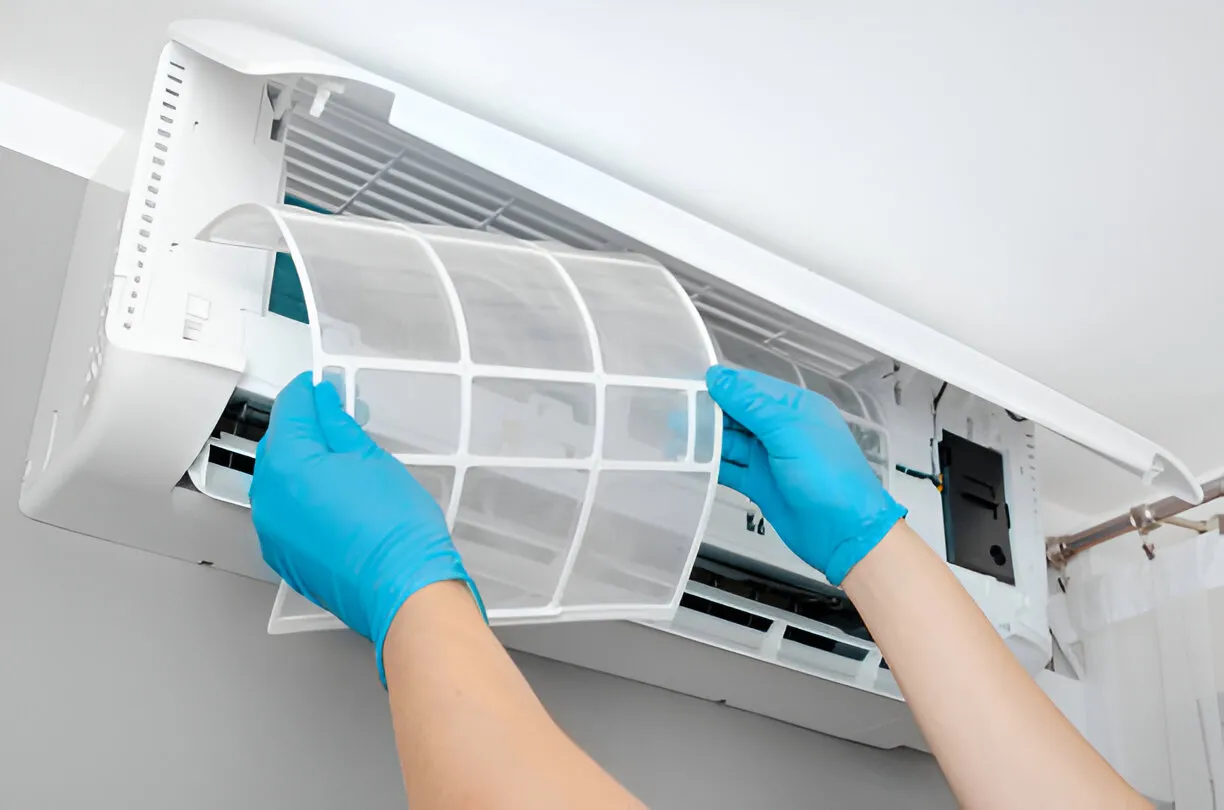
- Filter replacement and coil cleaning: Restores airflow and efficiency.
- Fan motor and fan blade replacement: Corrects airflow and noise problems.
- Capacitor and contactor replacement: Fixes start-up or running issues with outdoor compressors.
- Refrigerant leak repair and recharge: Locate leak, repair piping or fittings, vacuum and recharge to proper charge.
- Compressor replacement or motor repairs: For failed compressors where repair is viable.
- PCB or control board replacement: Resolves communication or erratic operation.
- Thermistor or sensor replacement: Fixes inaccurate temperature control.
- Drain clearing and condensate pump replacement: Prevents water damage and mold risk.
Parts used are matched to manufacturer specifications to maintain warranty compliance and system reliability. At high elevation in Louisville, technicians also confirm proper refrigerant charge and system calibration, since altitude affects pressure readings and performance.
Estimated repair timelines
- Diagnostic visit and minor repairs: Often completed the same visit, typically 1 to 3 hours.
- Common parts replacement (capacitor, fan motor, control board): Usually completed within a single visit if parts are available, 2 to 4 hours.
- Refrigerant leak repair and recharge: May take 2 to 6 hours depending on leak location and access.
- Major component replacement (compressor, long refrigerant line repairs): Typically 4 to 8 hours, sometimes requiring multi-day scheduling if parts are not in stock.
- Parts ordering or specialty components: Delivery can add 1 to 5 business days depending on availability and manufacturer lead time.
These timelines reflect typical work flows; actual durations vary by unit accessibility, part availability, and the scope discovered during diagnosis.
Warranty handling and documentation
Professional repair includes thorough documentation to support manufacturer warranties and any extended service agreements. This includes:
- Written diagnosis and work performed, itemizing replaced parts and labor.
- Refrigerant documentation: leak repair records and charge amounts to comply with regulations and warranty requirements.
- Manufacturer part numbers and serial numbers recorded for warranty claims.
Technicians will advise if a repair is covered under existing warranties or if a manufacturer claim is appropriate based on the failure mode.
Emergency repair availability and priority service
Mini-split failures can be urgent when they affect sleeping areas, nurseries, or must-have rooms. Emergency service prioritizes safety risks (electrical hazards or refrigerant leaks) and critical comfort failures. When systems pose immediate health or safety concerns, technicians isolate hazards and implement temporary measures to restore safe operation until permanent repairs are completed.
Preventing future breakdowns — tips for Louisville homeowners
- Regular filter cleaning: Every 1 to 3 months depending on use and local dust levels.
- Keep outdoor unit clear: Remove grass, leaves, and snow to maintain airflow.
- Scheduled seasonal inspections: Professional checks before summer and winter to verify refrigerant, controls, and electrical connections.
- Protect from ash and smoke: During wildfire events, increase filter frequency and consider higher MERV filtration on return air if applicable.
- Avoid frequent setpoint swings: Let the system run steadily rather than large, sudden temperature changes to reduce cycling wear.
- Watch for early warning signs: Strange noises, increased energy use, or humidity changes warrant early inspection.
Benefits of professional mini-split repair in Louisville, CO
Proper repairs restore comfort quickly, improve energy efficiency, and reduce the chance of repeated failures. Local technicians understand how Louisville climate and altitude affect system behavior, ensuring accurate refrigerant handling and system tuning. Routine, professional attention prevents costly failures and helps your ductless mini-split deliver reliable heating and cooling for years.
If you are experiencing reduced performance, strange noises, or moisture issues in a Louisville home, an expert diagnosis identifies the root cause and matches the right repair strategy to your mini-split system and local conditions.
Promotions
Save on seasonal system checks from a local team that treats your home like our own.

Testimonials
Neighbors trust Quality Heating & Air for honest work and fair pricing.