
Mini-Split Maintenance in Louisville, CO

Mini-Split Maintenance in Louisville, CO
Mini-split systems are an increasingly popular heating and cooling choice for Louisville, CO homes because they deliver zoned comfort and strong efficiency without ductwork. Regular, professional mini-split maintenance protects that investment by keeping systems running efficiently through Louisville’s wide temperature swings, dry summers, and snowy winters.
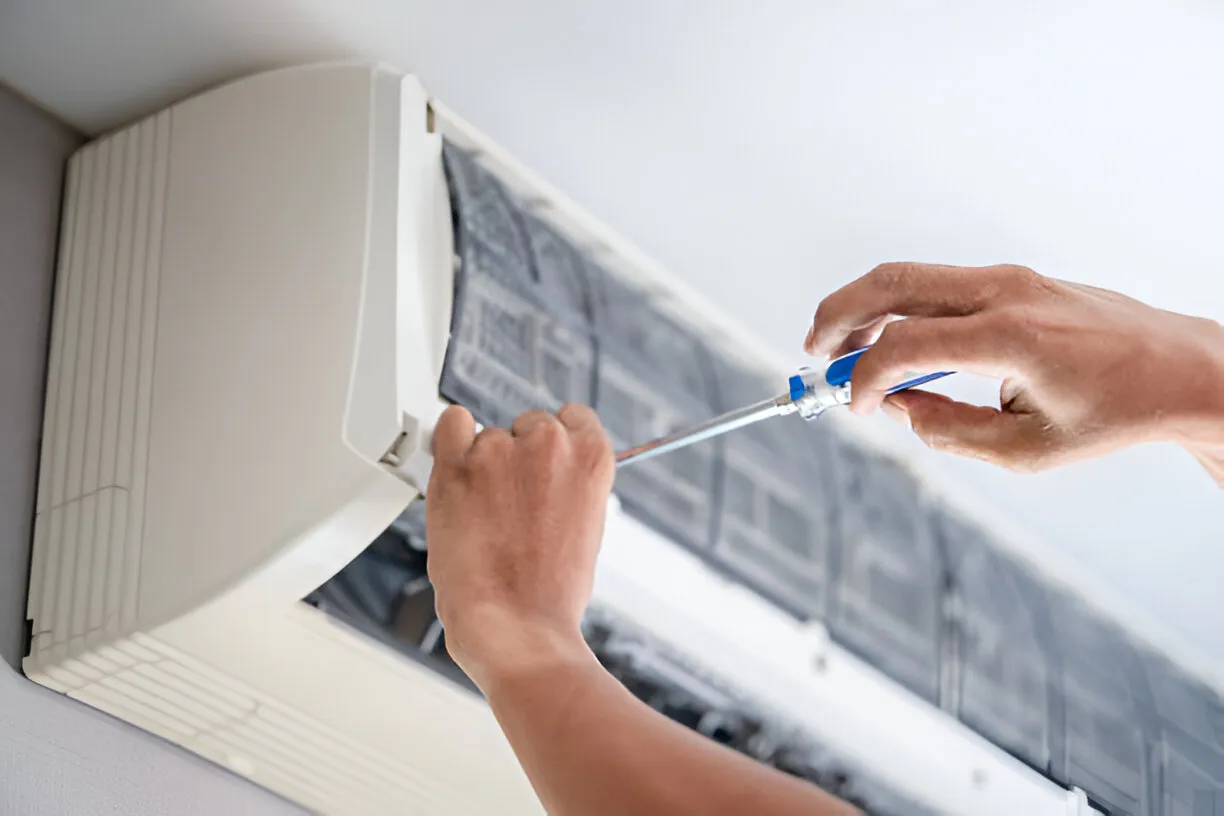
Why mini-split maintenance matters in Louisville, CO
Louisville’s climate combines hot, dry summers with cold winters and occasional spring/fall temperature swings. Those conditions create heavier seasonal demands on mini-splits and faster accumulation of dust, pollen, and road salts on outdoor units. Regular maintenance:
- Preserves energy efficiency so your system uses less electricity during peak summer and winter usage.
- Reduces the chance of mid-season breakdowns when temperatures are extreme.
- Helps maintain indoor air quality during high-pollen periods and summer wildfire smoke events.
Common mini-split maintenance issues in Louisville, CO homes
Understanding typical problems helps you identify when professional attention is needed. Common issues include:
- Clogged or dirty filters that restrict airflow and reduce efficiency.
- Dirty evaporator or condenser coils which lower heat transfer and cause longer run times.
- Low refrigerant or leaks that impair cooling/heating capacity and can damage the compressor.
- Electrical faults or loose connections that cause intermittent operation or error codes.
- Blocked condensate drains leading to water leaks or microbial growth.
- Outdoor fan and compressor wear from dust, gravel, or ice accumulation.
- Improperly insulated line sets causing performance loss, especially during cold spells.
What a professional mini-split seasonal tune-up includes
A complete mini-split maintenance visit addresses airflow, refrigeration, electrical, and control systems to restore peak performance. Typical tune-up tasks:
- Filter inspection and cleaning or replacement: Remove, clean, and inspect washable filters; recommend replacements if damaged or excessively worn.
- Coil cleaning (indoor and outdoor): Remove dust, pollen, and debris from evaporator and condenser coils to improve heat transfer.
- Refrigerant level check and leak inspection: Measure operating pressures and temperatures, look for signs of leaks, and document refrigerant charge.
- Electrical inspections: Tighten connections, test capacitors, contactors, and circuit board function, and check voltage and current draw on the compressor and fans.
- Performance testing: Measure temperature split across the indoor coil, verify correct airflow, and confirm the system meets manufacturer performance specs.
- Drain line and pan cleaning: Clear condensate traps and treat drain pans to prevent clogs and odors.
- Outdoor unit inspection: Check for debris, corrosion, fan blade condition, and frost/ice issues; verify line set insulation is intact.
- Control and thermostat verification: Confirm remote/thermostat communication, sensor calibration, and correct mode operation.
- Operational run and documentation: Run the system through heating and cooling cycles, record key performance numbers, and recommend repairs or adjustments if needed.
Diagnostic and testing process technicians use
Professional technicians use a methodical diagnostic process to find root causes, not just symptoms:
- Visual inspection of indoor and outdoor components for obvious damage or debris.
- Filter/coil inspection and airflow measurement using airflow meters or calculated temperature splits.
- Electrical checks including amp draw tests and component resistance checks.
- Refrigerant system checks using gauges and temperature/pressure readings to confirm proper charge and detect leaks.
- Control system verification and error code diagnostics on the indoor unit controller or app.
- Final performance run to ensure temperatures, noise levels, and cycling behavior are within expected ranges.
Benefits of regular mini-split maintenance
Routine maintenance delivers measurable, practical benefits for Louisville homeowners:
- Improved energy efficiency: Clean systems run shorter cycles, reducing electric bills during hot summers and cold snaps.
- Longer equipment life: Preventive care reduces stress on components and extends compressor and fan life.
- Fewer emergency repairs: Small problems are caught early before they lead to costly breakdowns.
- Consistent comfort: Maintained systems provide steady temperature control across zones.
- Better indoor air quality: Clean filters and coils reduce dust, pollen, and airborne particulates circulating through living spaces.
- Warranty compliance: Many manufacturers require periodic professional maintenance to keep warranties valid.
Recommended maintenance frequency for Louisville, CO
Mini-splits used year-round in climates like Louisville’s benefit most from:
- Biannual professional tune-ups: One in spring (before cooling season) and one in fall (before heating season) to prepare the system for peak use.
- Monthly homeowner filter checks: Wash or replace washable filters every 1–3 months depending on usage, pets, and pollen levels.
- Immediate service for performance changes: If you notice reduced capacity, strange noises, ice formation, or higher-than-normal energy use, schedule a professional diagnostic without delay.
Typical maintenance agreement options
Maintenance agreements streamline upkeep and provide consistent care. Common plan tiers include:
- Basic annual tune-up: One professional inspection and service visit per year covering filters, coils, basic electrical checks, and system performance testing.
- Biannual maintenance plan: Two scheduled tune-ups each year timed for spring and fall, plus documentation of service and seasonal optimization.
- Comprehensive plan: Biannual visits plus priority scheduling, parts discounts, and extended performance testing for multi-zone systems or larger installations.
- Custom plans for multi-unit or multi-zone homes: Tailored intervals and services when several mini-split heads or larger systems are installed.
Each plan typically includes a detailed maintenance report outlining measured temperatures, electrical readings, refrigerant status, and recommended repairs so homeowners have a clear record of system health.
Signs you should schedule professional maintenance now
Watch for these indicators that your mini-split needs immediate attention:
- Noticeably reduced heating or cooling capacity in one or more zones.
- Ice buildup on the indoor coil or outdoor unit in heating mode.
- Unusual noises such as grinding, rattling, or high-pitched squeals.
- System cycling on and off frequently without reaching setpoint.
- Persistent odors or visible moisture around indoor heads.
- Error codes or flashing lights on the indoor controller.
When any of these occur, a professional diagnostic will identify whether the issue is a simple cleaning, refrigerant recharge, electrical repair, or component replacement.
Regular mini-split maintenance in Louisville, CO preserves comfort and reduces long-term ownership costs. By addressing the impacts of seasonal dust, pollen, temperature extremes, and occasional winter snow and ice, scheduled tune-ups keep systems efficient and reliable year-round. For homes with multiple zones or high seasonal use, biannual professional inspections plus routine homeowner filter care deliver the best balance of performance and longevity.
Promotions
Save on seasonal system checks from a local team that treats your home like our own.

Testimonials
Neighbors trust Quality Heating & Air for honest work and fair pricing.