
Mini-Split Replacement in Superior, CO

Mini-Split Replacement in Superior, CO
A failing or outdated mini-split can leave your Superior home uncomfortable, drive up energy bills, and deliver inconsistent heating or cooling when you need it most. Replacement is more than swapping equipment — it is an opportunity to improve year-round comfort, lower operating costs, and meet local code and utility rebate requirements.
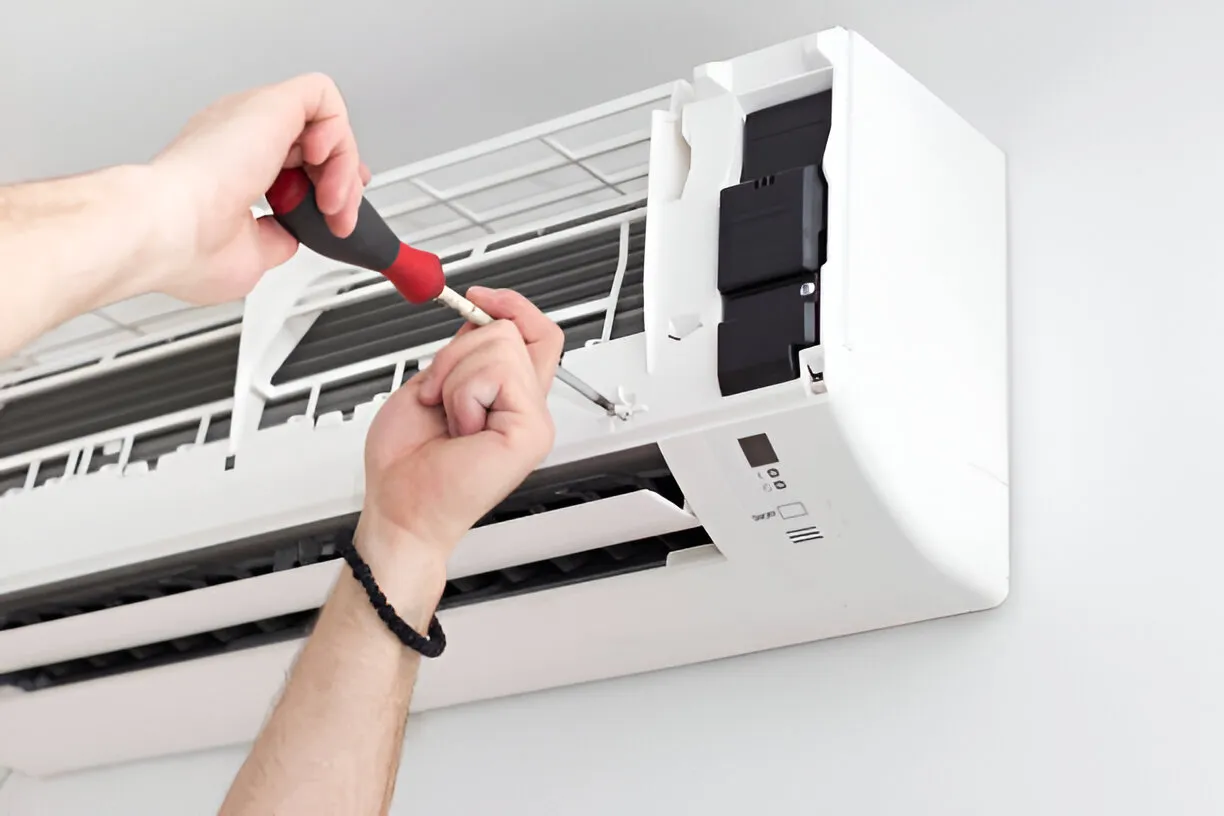
Common mini-split replacement reasons in Superior, CO
- Aging equipment that can no longer meet efficiency or performance expectations.
- Reduced heating capacity in winter—especially at cold Front Range temperatures—when older systems struggle.
- Frequent refrigerant leaks or compressor failures.
- Outdated refrigerant types or components that make repairs uneconomical.
- Desire to upgrade to a multi-zone system, improved indoor air quality, or quieter operation.
- Home renovations that change load requirements or room layouts.
System evaluation: the first critical step
A proper replacement begins with a full on-site evaluation, not a quick estimate. Key elements include:
- A room-by-room load assessment (Manual J style) that accounts for Superior’s climate, home construction, insulation levels, window orientation, and high-elevation effects on heat transfer.
- Inspection of existing indoor air handlers, line sets, and electrical service to determine reusability or replacement needs.
- Review of family comfort patterns — rooms used most, sleeping zones, and future plans like finishing basements or adding rooms.
- Identification of installation constraints such as limited outdoor space, HOA guidelines, or historical neighborhood restrictions.
Load-sizing and model selection for energy efficiency
Right-sizing a mini-split prevents short cycling and ensures reliable performance in Superior’s hot summers and cold winters. Key considerations:
- Accurate load-sizing prevents underpowered systems in winter and oversizing that wastes energy.
- Choose cold-climate or inverter-driven heat pump models with proven heating capacity at lower outdoor temperatures typical of the Front Range.
- Evaluate efficiency metrics such as SEER2, HSPF2, and EER2 (or equivalent) to compare long-term operating costs.
- Consider multi-zone vs single-zone systems based on the home layout and budget; multi-zone systems allow independent temperature control and better efficiency in mixed-usage homes.
- Review refrigerant options and manufacturer support—newer refrigerants and advanced compressors improve efficiency and may qualify for rebates.
Removal of the existing unit
Safe, clean removal protects your home and prepares for a smooth installation:
- Isolate power and recover refrigerant per EPA regulations.
- Safely remove indoor and outdoor units, clean and cap any existing penetrations, and dispose of old equipment following local rules.
- Inspect wall openings, structural supports, and electrical panels for required upgrades.
- Document any asbestos or other materials of concern for proper handling if encountered.
Professional installation steps
A professional installation follows a methodical, code-compliant process:
- Site prep and placement planning for the outdoor condenser to optimize airflow, service access, and quiet operation while meeting setback requirements.
- Upgrade or install proper electrical service and circuit protection sized to the new system.
- Run and insulate new refrigerant lines, condensate drains, and control wiring with weather-appropriate materials for Superior’s conditions.
- Mount indoor heads with correct clearances, install line sets through sealed wall penetrations, and secure outdoor unit on pads or mounts to reduce vibration.
- Evacuate and test refrigerant lines, charge the system per manufacturer spec, and commission controls.
- Test and balance airflow, verify heating performance at colder outdoor temps, and program thermostats or remotes for optimal operation.
Permit and code considerations in Superior, CO
Permits are generally required in Boulder County for HVAC equipment replacements. Expect:
- A mechanical or HVAC permit and final inspection by the local building department.
- Compliance with the latest energy code and equipment efficiency requirements.
- Potential HOA notification or approval for outdoor unit placement in some Superior neighborhoods.Professional installers typically handle permit submission and coordinate inspections to ensure everything passes on the first visit.
Rebates and financing options
Many homeowners in Superior can access local utility and manufacturer incentives:
- Utility programs in the region often provide rebates for high-efficiency heat pumps or qualifying cold-climate mini-splits.
- Manufacturer or retailer rebates may apply to certain models.
- Contractors commonly offer financing options to spread project costs over time.When planning replacement, gather rebate and financing details early because some programs require pre-approval or specific equipment models.
Expected timeline and what to expect
- Site evaluation and proposal: usually completed within a few days to a week.
- Permit approval: timing varies by municipality but commonly a few business days to a couple of weeks.
- Installation: a typical single-zone replacement is often completed in one full day; multi-zone systems or complex electrical upgrades may take 1–3 days.
- Final inspection and commissioning: scheduled after installation; a minor delay is possible depending on inspector availability.
Costs and factors that influence price
Instead of fixed prices, consider factors that drive cost:
- Number of zones and total system capacity.
- Need for new electrical service, panels, or permits.
- Complexity of line runs, number of indoor units, and mounting type.
- Upgrades to condensate management, insulation, or structural supports.
- Brand, warranty length, and energy efficiency level of chosen equipment.
Warranty, testing, and post-installation checks
A thorough replacement includes comprehensive testing and documentation:
- Manufacturer and workmanship warranties are typically provided—confirm durations and registration requirements.
- Post-installation testing includes vacuum and leak tests, refrigerant charge verification, airflow measurement, and electrical safety checks.
- System commissioning verifies heating performance at low temperatures, remote control functionality, and proper defrost cycles.
- Owners should receive operation guidance, maintenance recommendations, and warranty paperwork.
Long-term benefits and maintenance tips
Replacing a mini-split with a properly sized, modern system improves comfort, provides more consistent heating at Superior’s lower winter temperatures, reduces energy use, and can extend equipment life. To protect your investment:
- Schedule annual preventive maintenance to clean coils, check refrigerant levels, and test controls.
- Keep outdoor units clear of snow, ice, and debris during winter and maintain airflow in summer.
- Replace filters per manufacturer guidance to preserve efficiency and indoor air quality.
A careful replacement process tailored to Superior, CO conditions ensures reliable year-round comfort, compliance with local codes, and access to available incentives while minimizing surprises. Proper evaluation, professional installation, and documented testing are the keys to a successful mini-split replacement that lasts.
Promotions
Save on seasonal system checks from a local team that treats your home like our own.

Testimonials
Neighbors trust Quality Heating & Air for honest work and fair pricing.