
Mini-Split Repair in Superior, CO

Mini-Split Repair in Superior, CO
Mini-split systems are a popular choice in Superior, CO for their ductless flexibility and zoned comfort. When a ductless unit stops cooling or heating reliably, runs loudly, or cycles frequently, it affects comfort and energy bills quickly.
Why mini-split repair matters in Superior, CO
Superior sits on the Front Range with large temperature swings between seasons and higher altitude conditions. That means mini-splits often operate in both intense summer cooling and low-temperature heating modes. Local issues like dust from development, pollen, and occasional wildfire smoke can increase filter and coil buildup. Because mini-splits are frequently used for room-by-room comfort in townhomes, condos, and retrofits, timely repair preserves efficiency and comfort while avoiding unnecessary energy waste.
Common mini-split issues in Superior, CO
- Loss of cooling or heating: The system blows warm air, struggles to reach set temperature, or cycles on and off frequently.
- Refrigerant leaks: Low refrigerant causes poor performance and potential compressor strain. Leaks are more likely where lines were installed through remodels or where corrosion occurs.
- Compressor failures: Signs include loud humming, reduced capacity, or complete loss of operation from the outdoor unit. High-altitude operation and prolonged low refrigerant can contribute to compressor stress.
- Fan motor or indoor blower faults: Weak airflow, unusual noises, or no air movement often point to motor, fan blade, or capacitor problems.
- Electrical faults and controls: Tripped breakers, error codes on the indoor display, or intermittent operation may indicate wiring problems, faulty circuit boards, or bad capacitors.
- Drain and condensate problems: Clogged drain lines or blocked condensate pumps can cause water leaks and indoor drip.
- Sensor, thermostat, or control issues: Inaccurate temperature sensing or remote control failure can lead to poor cycle control or short cycling.
Diagnostic process for mini-split repair
A thorough diagnosis ensures you pay for the right repair and prevents repeat visits. Typical diagnostic steps include:
- Visual inspection of both indoor and outdoor units for damage, debris, and refrigerant line condition.
- Check error codes and system fault history from the indoor controller or outdoor PCB.
- Measure refrigerant pressures and temperatures, factoring in elevation adjustments for Superior’s altitude. Accurate pressure readings determine whether low refrigerant or metering device issues exist.
- Inspect electrical components: fuses, breakers, capacitor values, contactors, wiring connections, and control boards.
- Test blower and condenser fan motors for proper operation and amp draw to reveal failing motors or impeded airflow.
- Verify condensate drainage and check for frozen evaporator coils that point to airflow or refrigerant problems.
- Recommend only the repairs required based on findings, documenting failed components and root causes like leaks, corrosion, or poor maintenance.
Typical repair solutions and parts used
- Refrigerant leak repair and recharge: Locating and repairing the leak, replacing damaged line sets or fittings if necessary, and evacuating and recharging with the correct refrigerant (handled by EPA-certified technicians). Newer systems commonly use refrigerants compliant with current regulations.
- Compressor replacement: If the compressor is seized or degraded beyond repair, replacing it (or the outdoor condensing unit in some systems) restores system capacity. Compressor replacement is a labor-intensive repair that must be weighed against the age and efficiency of the overall system.
- Fan motors and blower repairs: Replace indoor blower motors, condenser fan motors, fan blades, or motor capacitors to restore proper airflow and reduce noise.
- Electrical and control board repairs: Replace failed capacitors, contactors, relays, or control PCBs and repair damaged wiring harnesses to resolve intermittent operation and error codes.
- Expansion valve and metering device replacement: Addressing TXV or electronic expansion valve faults to restore correct refrigerant flow and performance.
- Drain and condensate system service: Clearing blockages, replacing condensate pumps, or repairing tray leaks to prevent water damage.
- Sensor and thermostat replacement: Installing new temperature sensors or wireless controllers when control feedback is inaccurate.
All refrigerant handling should be performed by certified technicians in compliance with federal regulations. Replacement parts are chosen to match OEM specifications to preserve system integrity and warranty status.
Pricing and warranty considerations
Rather than quoting fixed prices, expect repair costs to vary based on the root cause, parts required, system brand and model, and whether line sets or extensive labor are needed. Factors that typically influence cost include compressor access, whether the outdoor unit must be removed, refrigerant type, and whether custom line sets or panel access are necessary.
Warranties often include manufacturer parts coverage for major components and separate labor warranties provided by service providers. Manufacturer warranties commonly cover major components like compressors for multi-year periods while smaller parts may have shorter coverage. Keep system registration and service records to ensure warranty claims are honored. Always request documentation of parts warranties and any service guarantees offered for replaced components.
Emergency response and after-hours repairs
Mini-split failures can occur outside normal hours, particularly during hot summer days or cold snaps. Emergency repair options typically prioritize safety (electrical issues or refrigerant leaks) and restore basic heating or cooling quickly when possible. Emergency technicians can diagnose immediately and implement temporary measures—such as bypassing failed controls or performing urgent motor swaps—until a full repair can be completed safely. For refrigerant emergencies, certified handling and leak isolation are essential.
When to repair versus replace
Repair is usually the best choice when:
- The unit is relatively new and the failed component is isolated.
- The issue can be fixed without major modifications to the refrigerant circuit or line set.
- The expected remaining life and efficiency after repair justify the cost.
Consider replacement when: - The outdoor compressor has failed and the unit is older, inefficient, or uses phased-out refrigerant that makes repairs costly.
- The system has had repeated failures or the repair cost approaches a significant fraction of replacement cost.
- You want improved energy efficiency, updated controls, better zoning, or quieter operation.
A decision should weigh repair cost, unit age, energy savings of a new system, and any necessary code or refrigerant compliance updates.
Maintenance and local tips for Superior homes
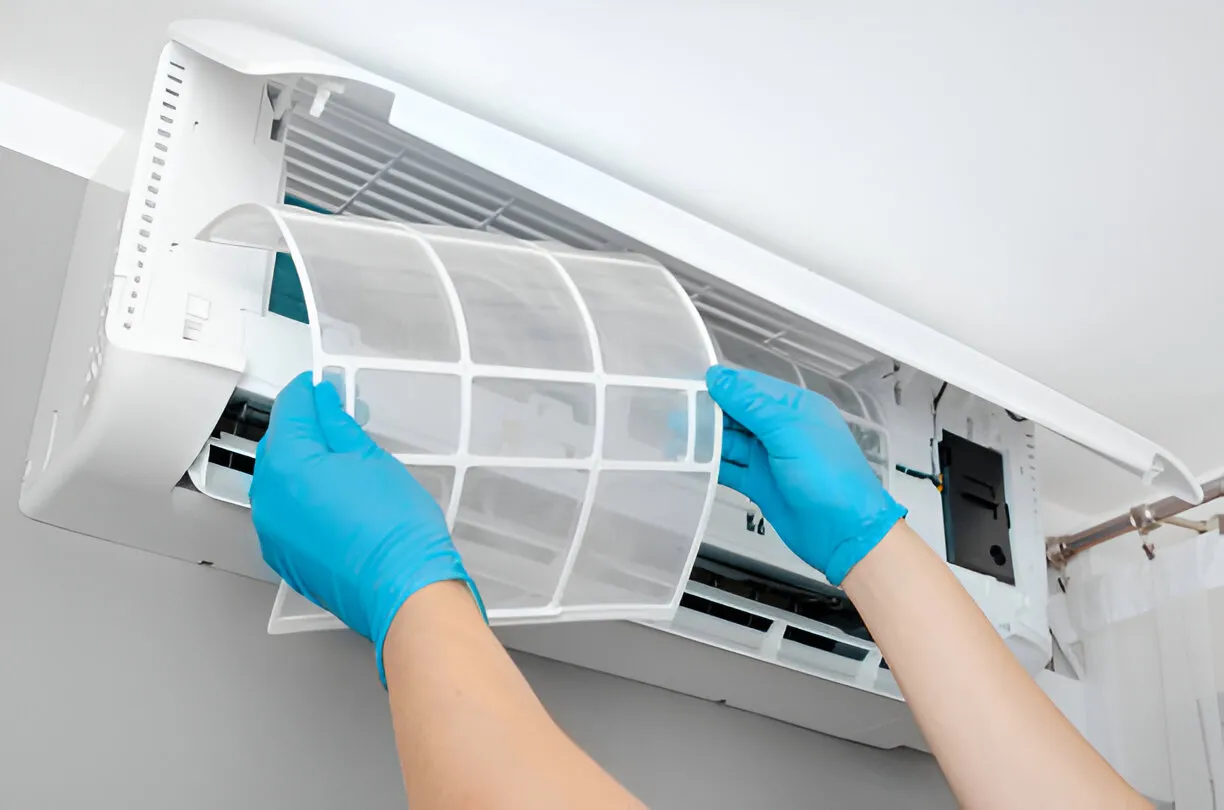
- Keep filters clean and schedule regular coil cleanings to combat Front Range dust and pollen.
- Ensure outdoor unit clearances and protect against yard debris or construction dust common in growing communities.
- Confirm condensate drain lines are clear before spring rains and during wildfire seasons when indoor humidity control may be more important.
- For high-altitude operation, have technicians verify charge and compressor performance against manufacturer altitude considerations.
- Maintain service records to support warranty claims and optimize long-term performance.
Timely mini-split repair preserves comfort in Superior, reduces energy costs, and prolongs system life. Proper diagnosis, use of OEM or equivalent parts, and adherence to refrigerant handling rules ensure safe, long-lasting results for your home’s ductless system.
Promotions
Save on seasonal system checks from a local team that treats your home like our own.

Testimonials
Neighbors trust Quality Heating & Air for honest work and fair pricing.