
Mini-Split Replacement in Brighton, CO

Mini-Split Replacement in Brighton, CO
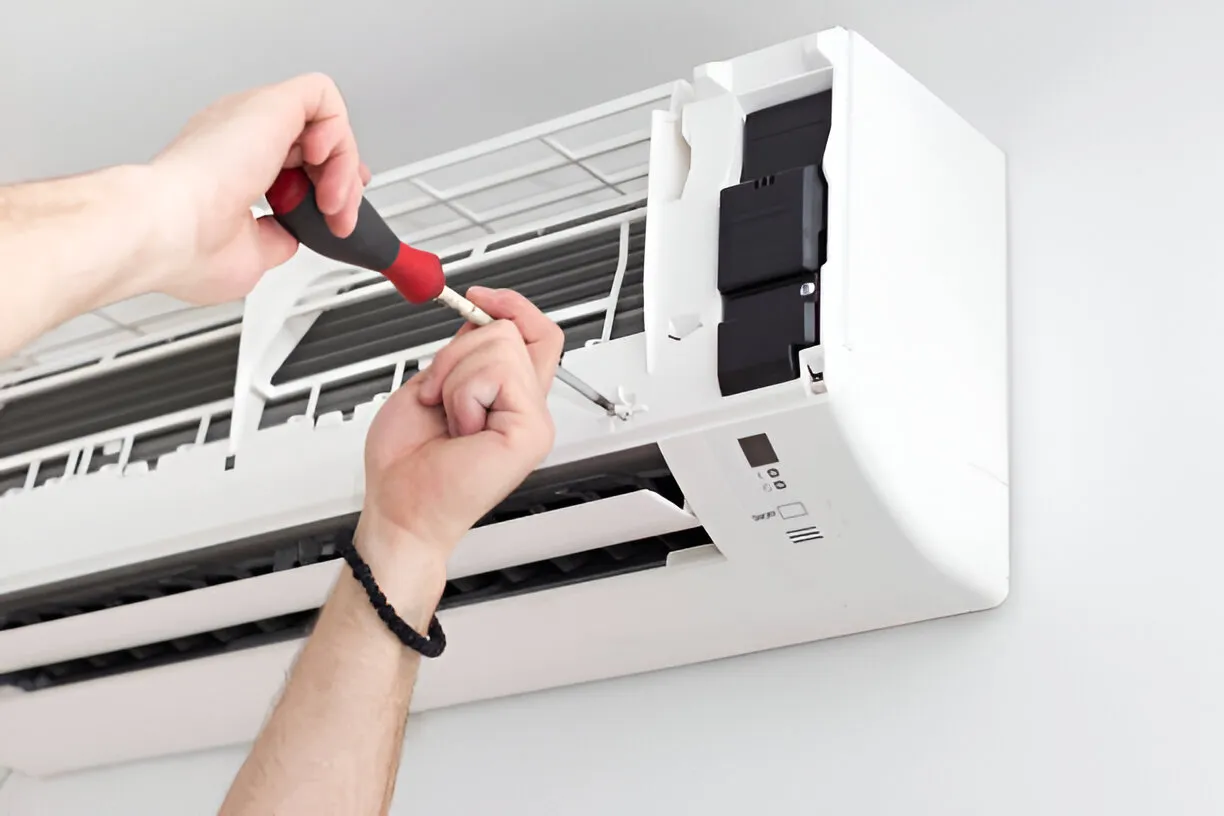
Replacing an end-of-life or irreparable mini-split is one of the most effective ways to restore comfort, reduce operating costs, and eliminate recurring repair bills. For Brighton, CO homeowners, a properly selected and installed replacement accounts for the local climate — hot, dry summers, cold winters, and wide daily temperature swings — so you get efficient year-round performance.
Why replace a mini-split now
- Uneconomical repairs: When compressor failure, repeated refrigerant leaks, or major electrical faults occur, replacement is often more cost-effective than ongoing fixes.
- Efficiency loss: Older units can lose significant efficiency over time, raising utility bills during Brighton’s hot summer months and longer heating runs in winter.
- Comfort and control: Newer mini-splits provide better temperature control, quieter operation, and smart features for zoning and scheduling.
Common mini-split problems that lead to replacement
- Compressor or inverter failure with high repair cost
- Recurrent refrigerant leaks or non-serviceable coils
- Frequent electrical faults or PCB failures
- Significant airflow restrictions due to damaged fan motors or evaporator rust
- Outdated capacity relative to modified home layouts or new insulation
On-site assessment and accurate system sizing
A reliable replacement begins with an on-site assessment and proper sizing:
- Home inspection: Evaluate indoor unit locations, outdoor unit placement, wall construction, insulation, window exposure, and any ductless line-set routing constraints.
- Load calculation: Perform a Manual J style load calculation to determine precise cooling and heating requirements for each space. This avoids under- or oversizing that reduces comfort or efficiency.
- Electrical review: Verify service capacity, circuit availability, and disconnect locations to ensure the new unit meets local code requirements.
- Placement planning: Identify optimal indoor head locations for airflow and quiet operation and an outdoor unit location that minimizes exposure to wind, snow drift, and dust from nearby fields.
Single-zone vs multi-zone systems — which is right for your Brighton home
- Single-zone mini-split
- Best for: Individual rooms, garage conversions, or additions.
- Pros: Lower upfront cost, simple installation, dedicated control per room.
- Cons: Multiple units required for whole-house comfort, which can increase total cost and outdoor footprint.
- Multi-zone mini-split
- Best for: Whole-home replacements, open floorplans, or homes where different rooms require different setpoints.
- Pros: Centralized outdoor unit with multiple indoor heads, better long-term energy management, fewer outdoor units.
- Cons: Higher initial investment, more complex refrigerant piping and balancing.
Energy-efficient model recommendations and features to prioritize
When selecting a replacement, prioritize technologies that deliver consistent savings in Brighton’s climate:
- Inverter-driven compressors (variable-speed) for stable temperature control and lower start-up draw.
- High SEER and HSPF ratings for improved seasonal efficiency.
- Advanced filtration and heat pump capability for reliable heating during shoulder seasons.
- Smart thermostats or app controls for scheduling and remote management.
- Low ambient operation for winter heating if your home relies on the mini-split as primary heat in milder winter periods.
Removal and responsible disposal of old equipment
Safe and compliant removal protects your home and the environment:
- Recover refrigerant in accordance with EPA regulations and local requirements.
- Dismantle indoor and outdoor components safely, protecting interior walls and finishes during removal.
- Recycle metal and electronic components through approved channels; dispose of non-recyclable parts per local waste codes.
- Document disposal for incentive or warranty records.
Installation planning and expected timeline
A realistic replacement project timeline typically includes:
- Day 0: On-site assessment and final equipment selection.
- Day 1: Permit application if required by local code authorities.
- Day 2–3: Equipment delivery and preparatory work (electrical upgrades, minor wall openings).
- Day 4–5: System installation — indoor heads, line-sets, outdoor unit placement, and electrical connections.
- Day 5: Evacuation, refrigerant charge, and commissioning.
- Total: Most straightforward replacements are completed within 2 to 5 business days depending on complexity, permitting, and weather.
Rebate and financing guidance for Brighton homeowners
Replacing to a high-efficiency mini-split often makes you eligible for incentives:
- Check for federal tax credits for qualified heat pump systems and state energy program rebates that reward high-efficiency models.
- Local utilities and municipalities near Brighton sometimes offer rebates for energy-saving installations or heat pump conversions.
- Financing options include low-interest loans or energy-efficiency financing programs that can spread payments over time. When evaluating offers, compare term length, interest rates, and any required equipment or efficiency thresholds.
Warranty and protection details you should expect
- Manufacturer warranty: Covers major components such as compressor and PCB for a defined period (commonly 5–10 years for parts). Verify what parts and labor are included.
- Labor warranty: Installer-provided labor coverage for workmanship. Confirm the length and what service tasks are covered.
- Extended plans: Options for extended parts or labor coverage can add peace of mind, especially for primary heating systems.
Post-replacement testing and performance verification
Final testing ensures your replacement delivers as promised:
- Refrigerant verification: Confirm correct charge and leak-free operation.
- Airflow and temperature checks: Measure airflow, supply and return temperatures, and temperature delta to certify capacity.
- Electrical safety tests: Verify proper wiring, correct breaker size, and safe grounding.
- Control and connectivity: Test remote controls, app integration, timers, and zone calibration.
- Efficiency baseline: Record system performance metrics so you can monitor seasonal efficiency and validate incentive requirements.
Long-term benefits and maintenance advice
A properly executed mini-split replacement improves comfort and lowers operating costs while reducing your home’s environmental footprint. To protect your investment:
- Follow simple seasonal maintenance: clean or replace filters, ensure indoor heads are unobstructed, and keep the outdoor unit clear of debris and snow.
- Schedule professional tune-ups annually to maintain efficiency and uphold warranty terms.
- Monitor energy use and indoor comfort after replacement; minor adjustments to controls or head orientation can optimize performance.
Replacing a mini-split in Brighton, CO is an opportunity to upgrade to a quieter, more efficient, and more controllable heating and cooling solution tailored to local climate conditions. Proper assessment, careful system selection, compliant removal, and thorough commissioning are the steps that ensure the new system delivers reliable comfort for years.
Promotions
Save on seasonal system checks from a local team that treats your home like our own.

Testimonials
Neighbors trust Quality Heating & Air for honest work and fair pricing.