
Mini-Split Maintenance in Brighton, CO

Mini-Split Maintenance in Brighton, CO
Mini-split systems are a popular choice in Brighton, CO for efficient zoned heating and cooling, but like any HVAC equipment they need regular care to perform reliably and efficiently. Routine mini-split maintenance prevents unexpected breakdowns during heat waves or cold snaps, preserves system efficiency, and extends equipment life.
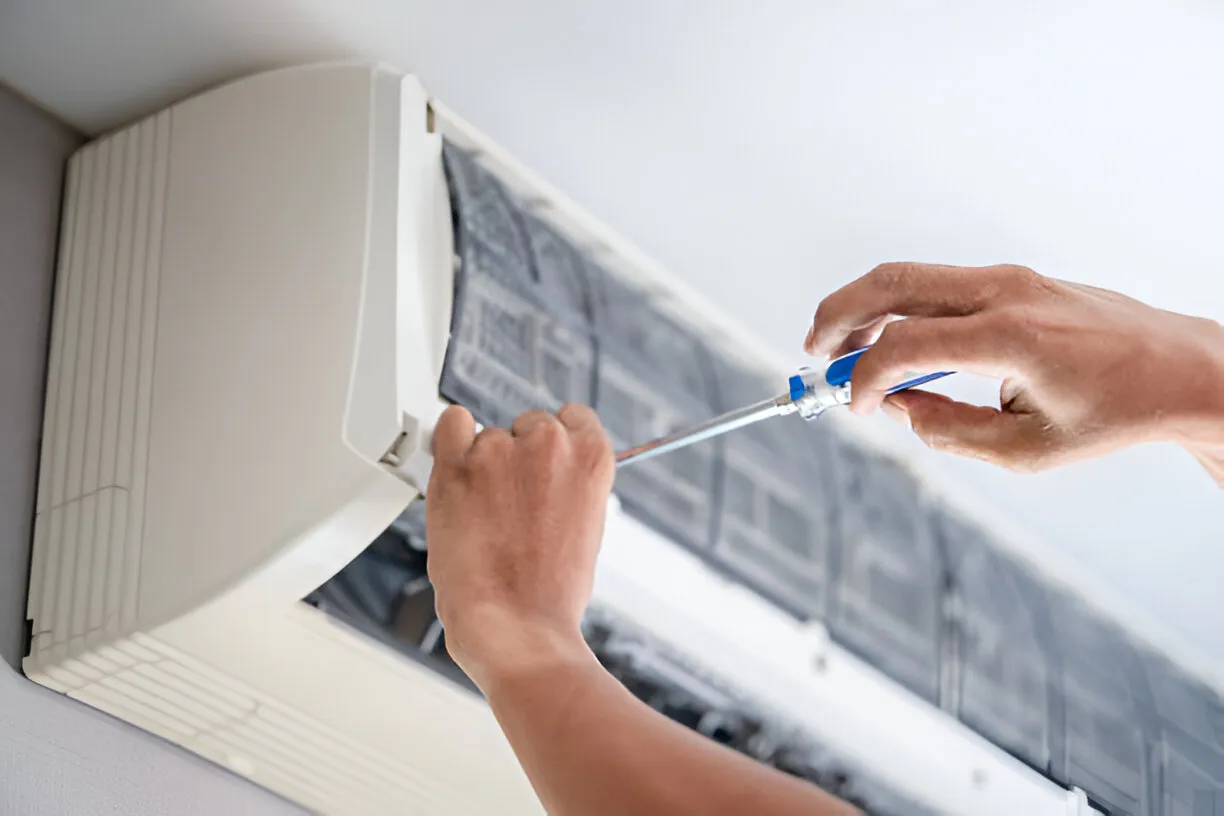
Common mini-split issues in Brighton, CO
Brighton sits on the high plains and experiences large seasonal temperature swings, high winds, and dry conditions that influence mini-split performance. The most common problems technicians see include:
- Reduced airflow and weak heating or cooling - often caused by dirty filters, blocked indoor units, or obstructed outdoor units from wind-blown dust.
- Refrigerant leaks or incorrect charge - symptoms include short cycling, low capacity, or frost on the evaporator coil.
- Frozen evaporator coils - can happen during prolonged heating operation or when airflow is restricted.
- Electrical faults and failing components - worn capacitors, relays, or loose connections cause intermittent operation or error codes.
- Faulty sensors or thermostat miscalibration - lead to inconsistent room temperatures and discomfort.
- Outdoor unit corrosion or debris buildup - Brighton wind and grit accelerate dirt accumulation on condenser fins and fan assemblies.
What mini-split maintenance includes
A professional seasonal tune-up addresses the items most likely to degrade performance. Typical maintenance procedures cover:
- Filter cleaning or replacement - inspect washable filters, clean them, or fit new disposable filters to restore airflow and indoor air quality.
- Indoor coil and blower inspection - check evaporator coil condition, clean accessible surfaces, and remove dust from blower wheel and louvers.
- Outdoor coil and condenser cleaning - remove leaves, dirt and fine dust from condenser fins, straighten fin damage, and clean debris around the unit to improve heat transfer.
- Refrigerant level and pressure checks - measure system pressures and temperatures to confirm correct refrigerant charge and detect leaks.
- Electrical and safety inspections - test capacitors, contactors, fuses, wiring connections, and safety controls for wear and proper operation.
- Airflow and thermostat calibration - verify airflow rates, balance modes, and recalibrate remote thermostats or wall controls for accurate setpoint control.
- Drain line clearing and condensate inspection - ensure condensate drains freely and check for mold or backups that create indoor moisture problems.
- Operational performance tests - run the system through heating and cooling cycles, record key temperatures, and confirm inverter operation and error-code history.
Diagnostic process and what to expect
A thorough inspection follows a stepwise diagnostic approach:
- Visual and safety check - technician confirms power off and inspects the indoor and outdoor units for obvious damage or hazards.
- Airflow and filter assessment - measures supply airflow and checks filters and vents.
- Electrical testing - verifies voltage, amperage, and tightness of electrical connections to prevent breakdowns.
- Refrigerant and pressure analysis - compares measured suction and discharge pressures and superheat/subcooling to manufacturer specifications.
- Functional testing - cycles the system across modes, checks defrost operation in winter, and verifies inverter responsiveness.
- Findings and recommendations - provides a plain-language summary of issues found, necessary repairs, and maintenance priorities.
This process identifies immediate repair needs and longer term measures that will keep the system efficient and reliable.
Repairs and solutions commonly required
When tune-ups identify faults, typical corrective work includes:
- Refrigerant leak detection and repair with proper recovery and recharge following EPA guidelines.
- Replacing worn capacitors, contactors, fan motors, or sensors that cause startup failures or erratic operation.
- Straightening and cleaning condenser fins, and replacing severely corroded panels or fan guards.
- Replacing filters, cleaning blower wheels, and resetting airflow paths to restore capacity.
- Clearing or replacing drain lines and pans to prevent water damage and microbial growth.
- Reprogramming or replacing control boards and recalibrating thermostats for better comfort control.
Most of these solutions restore capacity, improve efficiency, and reduce operating cost over time.
Suggested maintenance schedule and service plans for Brighton homes
Brighton’s climate makes regular attention important. Recommended cadence:
- Every 1 to 3 months: Inspect and clean or replace filters depending on occupancy, pets, and dust levels.
- Twice yearly: Full professional tune-up in spring (prepare for cooling season) and fall (prepare for heating season). These tune-ups cover the full inspection list above.
- Annual deep service: For high-use systems or homes with pets and dust, schedule a deep clean that includes coil cleaning, refrigerant verification, and electrical load testing.Service-plan options that bundle biannual tune-ups and priority scheduling tend to deliver the best long-term value by catching issues early and preserving efficiency.
Benefits of regular mini-split maintenance
Consistent maintenance delivers measurable advantages:
- Improved energy efficiency and lower utility bills by keeping coils clean and refrigerant properly charged.
- Longer equipment life because components run cooler and under less stress.
- Fewer emergency repairs thanks to early detection of wear and leaks.
- Better indoor air quality from clean filters and reduced microbial growth.
- Stable, consistent comfort with accurate temperature control and reliable defrost cycles in winter.
- Compliance with manufacturer warranty requirements in many cases, protecting your investment.
Practical maintenance tips for Brighton homeowners
- Replace disposable filters or clean washable ones regularly, especially during spring pollen and fall heating months.
- Keep the outdoor unit clear of wind-blown debris and leave a perimeter free of vegetation to ensure unrestricted airflow.
- Monitor system behavior after seasonal transitions for unusual noises, error codes, or reduced performance.
- Schedule tune-ups before the cooling season begins and before the first sustained heating demand to avoid peak-season delays.
Regular mini-split maintenance in Brighton, CO protects comfort, reduces operating costs, and prevents inconvenient failures. Proper seasonal care tailored to the local climate and dust conditions preserves system performance and extends the life of your investment.
Promotions
Save on seasonal system checks from a local team that treats your home like our own.

Testimonials
Neighbors trust Quality Heating & Air for honest work and fair pricing.