
Mini-Split Repair in Brighton, CO

Mini-Split Repair in Brighton, CO
Mini-split repair in Brighton, CO focuses on restoring reliable, efficient heating and cooling to homes that depend on ductless systems for zone comfort. Brighton homeowners experience wide temperature swings, dusty prairie conditions, and occasional cold snaps that place unique stress on mini-splits. When a ductless system fails or underperforms, fast, accurate diagnostics and targeted repairs preserve comfort, energy efficiency, and the life of the equipment.
Common mini-split repair issues in Brighton, CO
- No cooling or heating – Unit runs but does not reach set temperature. Common causes: low refrigerant, compressor failure, or thermostat/control faults.
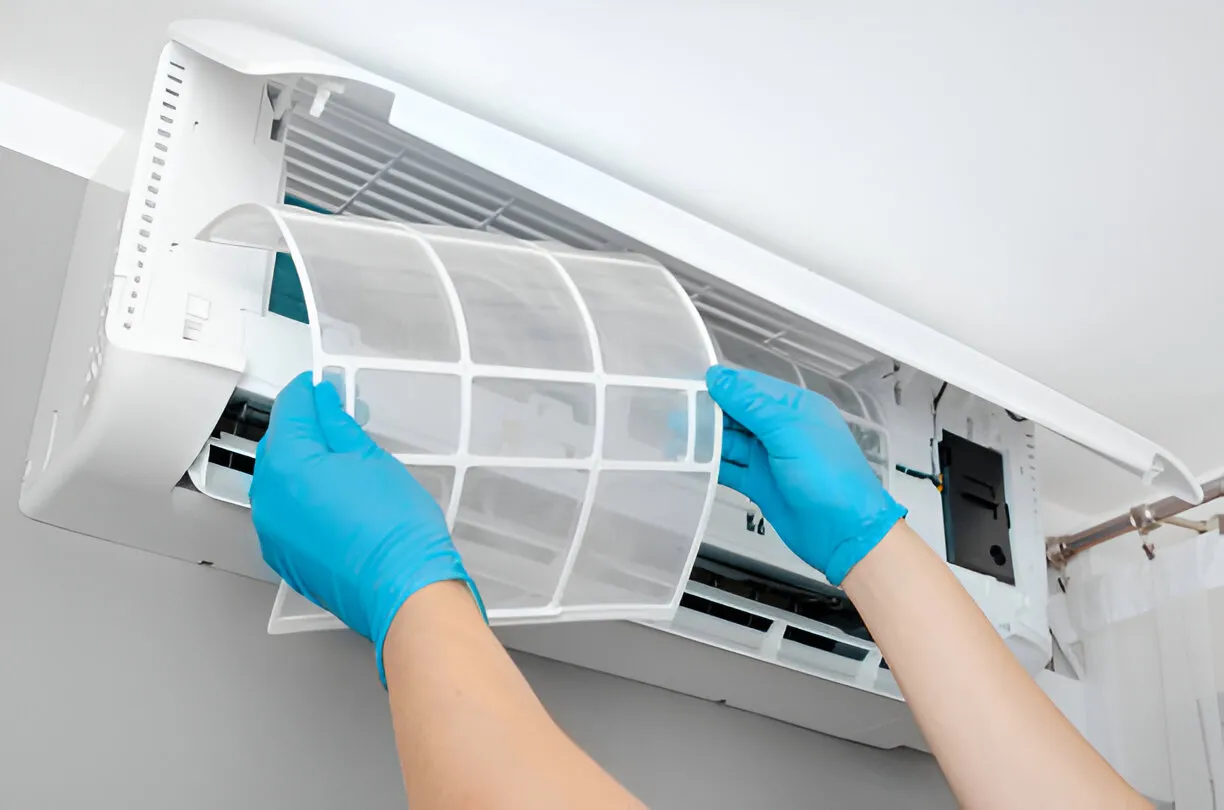
- Weak airflow from indoor head – Clogged filters, fan motor problems, or blocked indoor coil reduce airflow and comfort.
- Unit cycles on and off frequently (short cycling) – Often due to electrical problems, incorrect refrigerant charge, or failing compressor components.
- Unusual noises – Rattling, grinding, or squealing can point to loose mounts, failing fan motors, compressor issues, or debris in the outdoor unit from Brighton winds.
- Refrigerant leaks and low refrigerant – Signs include loss of cooling capacity, frost on lines, and higher energy use; leaks are common on older fittings or after physical damage.
- Ice buildup on the indoor coil – Can result from restricted airflow or refrigerant imbalance, especially during rapid temperature changes common in Brighton spring/fall.
- Electrical trips and breaker faults – Overloads, bad capacitors, or shorted wiring can cause breakers to trip repeatedly.
- Drainage or condensate issues – Clogged drains or failed condensate pumps cause water leaks inside homes, particularly during high-humidity periods from local irrigation.
How diagnostics are performed
- Initial visual and operational check – Confirm symptoms, inspect indoor and outdoor units, and check airflow and sound patterns.
- Electrical diagnostics – Test voltage, amperage, capacitors, contactors, and safety switches to isolate electrical faults safely.
- Refrigerant system analysis – Measure system pressures and temperatures to determine charge level and performance compared to manufacturer specifications.
- Leak detection – Use electronic leak detectors and UV dye or soap testing to locate leaks in lines, fittings, or coils.
- Mechanical inspection – Assess compressors, fan motors, bearings, and mounting hardware for wear or damage.
- Control and thermostat troubleshooting – Verify remote controls, sensors, and communication between indoor and outdoor units for faults or errors.
- Drain and condensate evaluation – Check for clogs, pump failure, or improper slope that can cause water backup.
Repairs and solutions commonly provided
- Electrical repairs and component replacement – Replace capacitors, contactors, relays, wiring, and fuses to restore reliable operation.
- Compressor and fan motor repairs or replacement – Repair or replace worn or failed motors and compressors; in some cases, a compressor replacement is the most cost-effective long-term solution.
- Refrigerant leak repair and recharge – Locate and repair leaks, recover remaining refrigerant, and recharge to the correct specification using the appropriate refrigerant for the unit.
- Control board and thermostat fixes – Repair or replace faulty PCBs, sensors, or remotes to restore proper system communication and control.
- Coil cleaning and airflow restoration – Clean indoor and outdoor coils and replace or clean filters to improve heat transfer and efficiency.
- Drain and condensate pump service – Clear lines, replace pumps, and secure proper drainage to prevent indoor water damage.
- OEM parts and compatible replacements – Use manufacturer-recommended parts to preserve warranty coverage and ensure compatibility.
Estimated repair timelines and pricing factors
- Typical timelines vary by problem severity and parts availability:
- Diagnostics and simple fixes (filter, capacitor, minor wiring) often completed within a few hours.
- Refrigerant leak detection and repair can require multiple visits if the leak is hard to find; allow additional time for evacuation and recharge.
- Major component replacements (compressor, outdoor fan assembly) may require ordering parts and scheduling a follow-up visit; these repairs often extend across one to a few days.
- Cost drivers to consider (without specifying prices) include the extent of damage, whether OEM parts are required, refrigerant type and recovery requirements, unit accessibility, and whether multiple components are affected. Seasonal demand in Brighton can affect lead times for parts and technician availability.
Warranty, guarantees, and regulatory compliance
- Many mini-split components carry manufacturer warranties; using OEM parts and certified technicians helps preserve those warranties. Replacing parts with aftermarket components can affect coverage.
- Workmanship guarantees are commonly offered to provide peace of mind for repairs; inquire about the length and scope of any workmanship guarantee before authorizing repairs.
- Refrigerant handling must comply with federal and state regulations. Proper recovery, recycling, or reclamation is required when working with regulated refrigerants.
Emergency repair response and interim homeowner steps
- Situations that often require emergency attention include complete system failure during extreme heat or a leaking refrigerant line causing frost or water damage.
- Safe interim measures for homeowners:
- Turn off the mini-split using the thermostat or remote if you detect a refrigerant leak or electrical burning smell.
- Switch to fan-only mode for air circulation if cooling is unavailable and temperatures are safe.
- Clear debris from around the outdoor unit to maintain airflow and avoid further damage.
- Emergency response availability varies by provider; emergency service helps protect your home during heat waves or freezing events.
Preventive tips to reduce future breakdowns in Brighton homes
- Schedule seasonal inspections before summer and winter to catch issues early.
- Change or clean filters regularly to prevent reduced airflow and coil fouling.
- Keep at least two feet of clearance around outdoor units and remove dust, grass clippings, and debris after windy days common on the prairie.
- Inspect condensate drains annually and clear blockages to avoid indoor leaks.
- Ensure electrical connections are tight and protected from moisture and corrosion.
- Consider surge protection for outdoor units to protect controls from lightning and utility fluctuations.
- Maintain proper refrigerant charge and have leak checks performed if performance declines.
Timely, professional mini-split repair in Brighton, CO restores comfort, reduces energy waste, and extends the life of your ductless system. Understanding common issues, the diagnostic process, expected timelines, and preventive maintenance helps homeowners make informed decisions and avoid larger, costlier failures down the road.
Promotions
Save on seasonal system checks from a local team that treats your home like our own.

Testimonials
Neighbors trust Quality Heating & Air for honest work and fair pricing.