
Furnace Repair in Brighton, CO
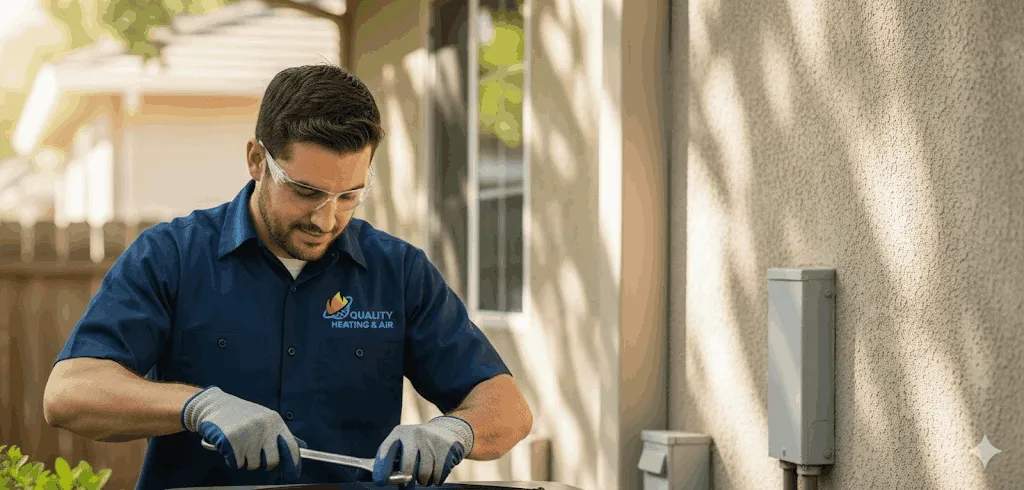
Furnace Repair in Brighton, CO
When winter hits Brighton, CO, a working furnace is essential for safety, comfort, and preventing frozen pipes. Furnace Repair in Brighton, CO focuses on getting heat back quickly and reliably by diagnosing root causes, performing on-site repairs or part replacements, and completing safety checks to protect your home. Brighton’s high plains climate—with cold Front Range winters, wind-driven dust, and wide temperature swings—creates specific stressors on heating systems that make timely, expert furnace repair especially important.
Common furnace repair issues in Brighton, CO
Homeowners in Brighton most frequently call for repairs related to the following problems:
- Ignition and pilot failures: Electronic igniters or aging pilots can fail after seasons of frequent cycling in cold months.
- Faulty thermostats or wiring: Incorrect readings, loose wiring, or failed thermostats prevent the system from calling for heat or cause short cycling.
- Unusual noises: Rattling, squealing, or banging often point to failing motors, blower issues, or loose components.
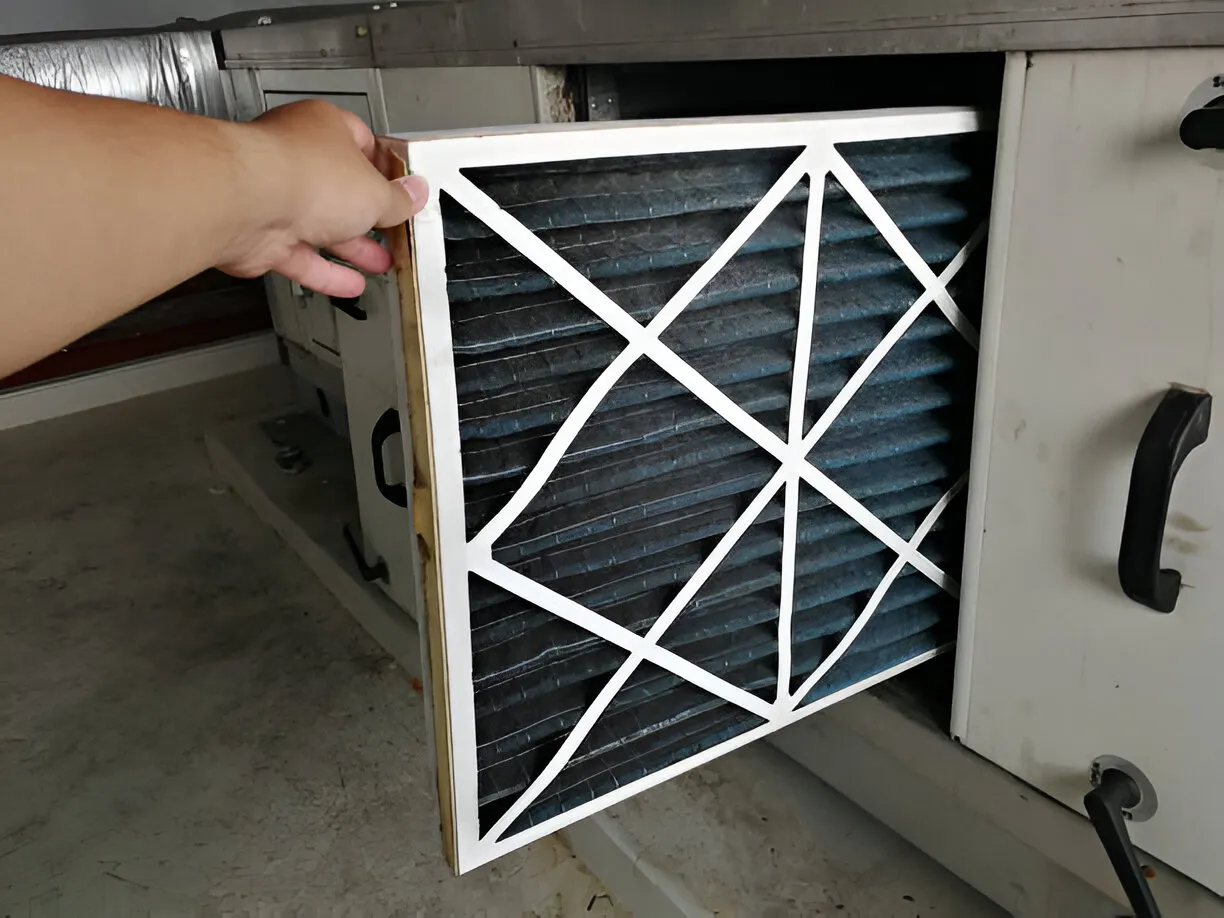
- Short cycling or no heat: Caused by clogged filters, blocked vents, faulty sensors, or control board problems.
- Carbon monoxide and combustion concerns: Cracked heat exchangers or blocked vents can cause dangerous conditions that require immediate attention.
- Blower, motor, and electrical failures: Wear on motors, belts, bearings, or electrical components leads to reduced airflow or complete system shutdown.
- Gas valve and pressure problems: Incorrect gas flow or failing valves reduce efficiency and can prevent ignition.
Understanding these common Brighton furnace repair issues helps prioritize safety and restores reliable heat faster.
How a professional diagnostic works
A thorough diagnostic isolates the problem and prevents unnecessary part swaps. Typical diagnostic steps include:
- Initial interview and symptom check - confirm when the issue started, sounds, smells, thermostat behavior, and any recent weather events.
- Visual inspection - examine the furnace cabinet, burner assembly, vents, and duct connections for visible signs of damage or blockages.
- Electrical and control testing - check breakers, fuses, control boards, limit switches, and ignition sequences. Read error codes when present.
- Combustion and safety tests - inspect the heat exchanger, perform a combustion analysis if needed, and test for carbon monoxide and proper venting.
- Airflow and blower inspection - measure airflow, examine blower motor, belts, and filter condition.
- Gas pressure and valve checks - verify correct gas pressure and proper operation of gas valves and regulators.
- Thermostat and system calibration - confirm thermostat calibration and wiring, and test system cycles under load.
Technicians document findings and present clear options: repair, parts replacement, or in some cases, recommend replacement if the system is unsafe or inefficient.
On-site repairs and common part replacements
Most Furnace Repair in Brighton, CO includes on-site repairs to restore heat the same day when possible. Common parts replaced on-site:
- Igniters and pilot assemblies
- Flame sensors and burners
- Thermostats and control boards
- Blower motors, belts, and capacitors
- Gas valves and pressure regulators
- Pressure switches, limit switches, and safety sensors
- Heat exchanger repairs or replacement recommendations when cracked
Technicians use diagnostic-grade tools and factory-recommended parts to ensure reliable performance and compatibility. When a part is replaced, work includes testing and system calibration to verify safe operation.
Safety checks and technician qualifications
Safety is a primary focus during every furnace repair. Critical safety procedures include carbon monoxide testing, heat exchanger inspection, vent and flue integrity checks, and verifying proper combustion and gas connections. Technicians performing repairs are trained in local and national safety codes, experienced with major brands, and follow best practices for residential furnace service.
Typical qualifications and safeguards you should expect:
- Industry certifications (for example, NATE or equivalent training)
- Background-checked, uniformed technicians with identification
- Documented safety checklists and written repair recommendations
- Clear warranty information on parts and labor
Warranty coverage varies by part and labor, and professional repair services commonly provide manufacturer warranties for replaced parts plus a workmanship warranty for repairs. Written confirmation of warranty terms should be provided with estimates.
Transparent estimates and repair process
A decision-stage homeowner needs clear pricing and options. Furnace repair estimates in Brighton should include:
- A written breakdown of diagnosed issues
- Line-item cost for parts and labor
- Explanation of recommended vs optional repairs
- Warranty terms for parts and workmanship
- Any required permits or code compliance work
Transparent pricing helps you compare repair versus replacement intelligently and avoid surprise charges. For emergency situations, technicians can outline temporary fixes to restore heat and follow with permanent repairs once full diagnostics are completed.
Emergency response and scheduling in Brighton
Brighton homeowners face extended cold spells where quick response is critical. Furnace Repair in Brighton, CO typically offers prioritized scheduling during winter months with emergency availability for situations involving no heat, suspected carbon monoxide, or unsafe operation. Response times vary by demand and weather, but emergency calls are treated with urgency to minimize exposure to cold and protect household health.
Tips to prevent future breakdowns
Preventive maintenance reduces emergency repairs and extends furnace life—especially important in Brighton’s climate:
- Change or clean filters every 1-3 months during heavy use.
- Schedule an annual furnace tune-up before winter for inspection, cleaning, and calibration.
- Keep vents and returns clear of furniture and debris to maintain airflow.
- Install a carbon monoxide detector near sleeping areas and test it regularly.
- Seal or insulate exposed ductwork in unheated spaces to prevent heat loss.
- Consider a programmable thermostat to reduce wear from frequent cycling.
- Address odd noises or reduced performance early to avoid larger failures.
Regular maintenance and attention to small symptoms are the most cost-effective ways to avoid disruptive failures during Brighton’s coldest periods.
Promotions
Save on seasonal system checks from a local team that treats your home like our own.

Testimonials
Neighbors trust Quality Heating & Air for honest work and fair pricing.