
Furnace Installation in Brighton, CO
Furnace Installation in Brighton, CO
A properly sized, code-compliant furnace installation is essential for dependable warmth, energy savings, and indoor comfort in Brighton, CO homes. With cold Front Range winters, wide temperature swings, and higher elevation, a professional furnace installation tailored to local conditions prevents common problems like short-cycling, inadequate heating, excessive energy bills, and premature equipment failure.
Why correct furnace installation matters in Brighton, CO
- Brighton winters and overnight temperatures can drop well below freezing; frost and snow stress systems and ductwork.
- Higher elevation (around 5,200 feet) affects combustion and venting for gas-fired furnaces; adjustments are required for safe, efficient operation.
- Proper sizing and ductwork balance reduce energy waste and maintain comfort across open-concept and older Brighton homes.
- Correct installation protects manufacturer warranties and ensures building code compliance required by Brighton/Adams County inspectors.
Common furnace types and installation scenarios in Brighton
- Gas furnaces (natural gas): most common; require combustion air, venting, and altitude-aware tuning.
- High-efficiency condensing furnaces: offer better AFUE but need condensate handling and PVC venting.
- Electric furnaces: simpler to install where gas is unavailable but typically higher operating cost in cold months.
- Upgrades and replacements: switching to variable-speed blowers, two-stage heating, or converting fuel types.
- New construction or full system changeouts that include new ductwork, registers, or updated control systems.
Initial home assessment, load calculations, and sizing
A precise assessment avoids under- or oversizing. Typical steps include:
- On-site inspection of the home’s construction, insulation, windows, orientation, attic and basement conditions, and existing ductwork.
- Performing a Manual J load calculation (or equivalent) to determine the heating load for each zone in the house.
- Evaluating duct condition and sizing needs (Manual D) and blower selection for proper airflow (CFM) based on the furnace and home layout.
- Considering occupant comfort preferences, future remodeling plans, and available utility fuels.
Accurate furnace sizing for Brighton homes accounts for elevation, insulation levels, and local design temperatures so the system runs efficiently without excessive cycling.
Equipment selection: systems, brands, and features
Choosing the right system balances efficiency, durability, and local needs:
- Efficiency: AFUE ratings indicate fuel-to-heat efficiency. High-efficiency models save fuel over time in Brighton’s cold months.
- Modulation: two-stage or variable-capacity furnaces produce steadier temperatures and better humidity control.
- Blower motor: variable-speed ECM motors improve comfort and lower electrical use.
- Venting type: atmospheric, power-vent, or direct-vent systems chosen based on furnace type and home layout.
- Trusted brands commonly offered include Carrier, Trane, Lennox, Rheem, Goodman, and others compatible with local service technicians and replacement parts.
- Fuel considerations: natural gas is common in Brighton; propane or electric options may be selected where gas service is not available.
Permits and code compliance
- Furnace installations in Brighton require permits and final inspections under Brighton/Adams County building codes.
- Permits ensure proper vent sizing, combustion air, gas line sizing, electrical connections, and clearances are met.
- Technicians performing installations follow local mechanical and electrical codes and provide documentation for inspections and warranty purposes.
Typical installation steps
A professional installation follows a clear sequence to ensure safety and performance:
- Site prep: protect floors, isolate work areas, and stage equipment.
- Remove old equipment (if present), inspect and clean existing ducts, and repair as needed.
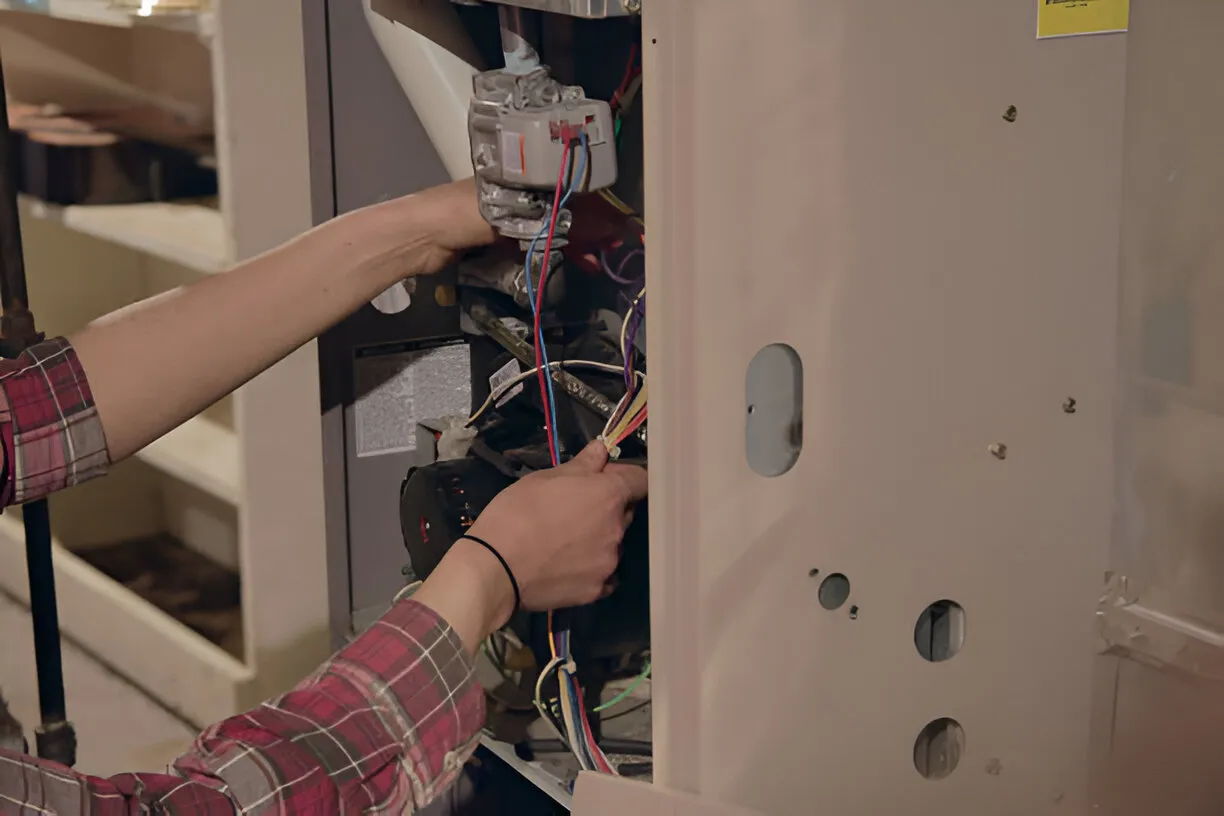
- Mount and secure the new furnace, ensuring correct clearances and leveling.
- Duct connections and airflow balancing: tie into supply and return ducts, seal seams, and adjust for proper static pressure.
- Venting and combustion setup: install appropriate flue, chase, or PVC venting, and provide required combustion air.
- Gas plumbing and electrical hookups: size and connect gas line per code, install condensate drain (if applicable), and hardwire electrical connections and safeties.
- Thermostat integration: install or program compatible thermostats, including smart or zoning controls when selected.
- Start-up and tuning: verify ignition, gas pressure, burner operation, and safe combustion at local altitude settings.
Quality assurance and testing
Post-install checks are critical:
- Verify airflow (CFM) and static pressure to manufacturer specifications.
- Measure combustion efficiency and CO levels on gas furnaces.
- Test safety controls, limit switches, and emergency shutdowns.
- Confirm thermostat calibration and verify even temperature distribution throughout the home.
- Demonstrate operation modes to the homeowner and provide operating documentation.
Warranty registration and documentation
- New furnaces include manufacturer warranties; registering equipment promptly protects warranty rights.
- Keep a copy of permit documentation, installation records, load calculations, and start-up reports for future service and resale value.
- Many warranties require installation by a qualified contractor and documented start-up — proper paperwork preserves coverage.
Homeowner guidance and operation
After installation, practical steps to maintain performance:
- Filters: check and replace filters every 1 to 3 months depending on filter type and household conditions.
- Thermostat: use programmable or smart settings to maximize comfort and efficiency while away or overnight.
- Carbon monoxide safety: install CO detectors on main levels and near sleeping areas; test regularly.
- Vent clearance: keep furnace vents and outdoor intake areas free from snow, debris, and obstructions during winter.
- Annual tune-ups: schedule yearly inspections and maintenance before heating season to maintain efficiency and detect issues early.
Benefits of professional furnace installation in Brighton, CO
- Reliable warmth during prolonged cold snaps, with systems tuned for local elevation and climate.
- Improved energy efficiency and lower monthly fuel bills over the life of the system.
- Longer equipment life and reduced emergency repairs through correct installation and commissioning.
- Peace of mind from permit-backed work, safety testing, and valid manufacturer warranties.
A furnace installation that combines accurate load calculations, proper equipment selection, code-compliant installation, and thorough testing delivers lasting comfort for Brighton homes and ensures the system performs efficiently through the region’s demanding winters.
Promotions
Save on seasonal system checks from a local team that treats your home like our own.

Testimonials
Neighbors trust Quality Heating & Air for honest work and fair pricing.