
Boiler Tune Up in Superior, CO
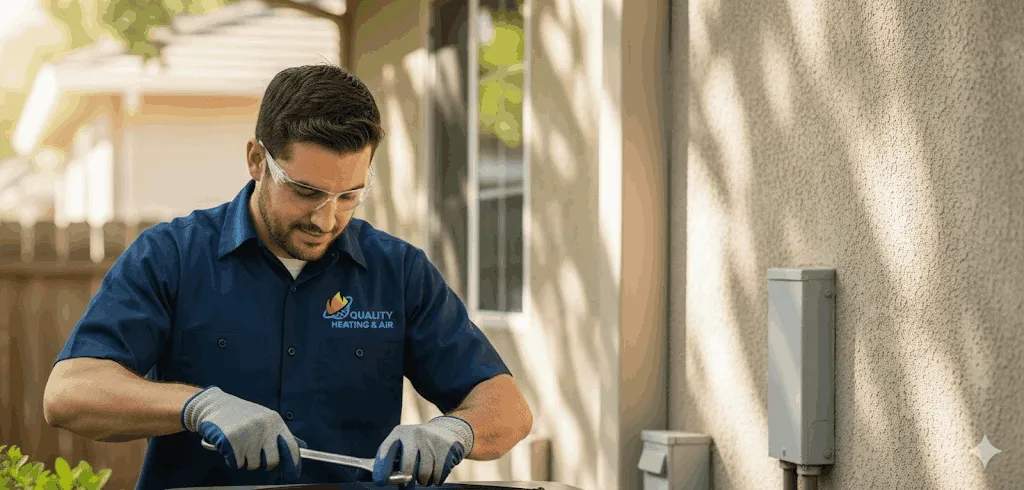
Boiler Tune Up in Superior, CO
A professional boiler tune up in Superior, CO prepares your heating system for cold snaps, reduces energy waste, and lowers the risk of midwinter breakdowns. Given Superior’s high-elevation winters, rapid temperature swings, and occasional heavy snow, a well-tuned boiler is one of the best ways to protect comfort, safety, and heating budgets in local homes.
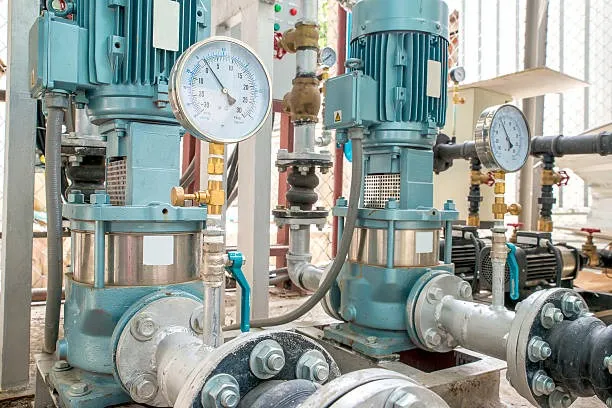
Why a tune up matters in Superior, CO homes
- Older or neglected boilers lose efficiency from soot, scale, and misadjusted combustion, which raises fuel use and utility costs.
- Cold nights and freeze cycles increase strain on components like pumps, valves, and expansion tanks, making pre-winter service especially important.
- Proper combustion adjustment reduces carbon monoxide risk and improves safety for homes at higher elevations where burner performance can shift.
- Routine tune ups extend equipment life and lower the chance of emergency repairs during peak heating demand.
Common boiler problems in Superior, CO
- Sooty or dirty burners causing reduced heat output
- Low or fluctuating system pressure and frequent relief valve activation
- Noisy operation from air in the system or failing pump bearings
- Corroded or scaled heat exchanger that reduces efficiency and can lead to leaks
- Faulty controls, limit switches, or safety devices that prevent reliable startup or shutdown
- Poor thermostat calibration or uneven heating across multi-zone systems
What a professional boiler tune-up includes
A thorough tune up follows a consistent checklist to optimize performance and safety. Typical tasks include:
- Clean burners and combustion chamber
Remove soot and deposits to restore proper flame pattern and heat transfer. - Adjust combustion and test for carbon monoxide
Use a combustion analyzer to set fuel/air ratio for efficient, safe operation at Superior’s elevation. - Inspect and test controls and safety devices
Verify operation of pressure and temperature controls, high-limit switches, low-water cutoffs, and relief valves. - Check system pressure and expansion tank
Confirm proper working pressure, recharge or replace expansion tanks if needed, and test relief valves. - Test efficiency and document performance
Record combustion numbers, flue temperatures, and overall system performance to compare year-to-year. - Inspect heat exchanger and flue/venting
Look for cracks, corrosion, and blockages; ensure venting is clear of snow, debris, or animal nests. - Bleed radiators and purge air from hydronic loops
Remove trapped air that causes cold spots and noisy pipes. - Check pumps, circulators, and zone valves
Lubricate bearings if applicable, verify proper flow and operation of zone controls. - Examine gas connections and ignition assembly (for gas boilers)
Inspect lines and fittings for leaks and ensure reliable ignition and pilot operation. - Document recommendations and any minor service performed
Provide clear notes on parts replaced, settings adjusted, and items to watch or schedule later.
Each item is done with the goal of restoring peak performance, preventing failures, and ensuring the system meets safety expectations for local conditions.
Diagnostic process: what a technician will do
- Visual inspection of boiler room, piping, and venting for obvious issues.
- Controlled startup to observe ignition, flame, and combustion behavior.
- Combustion analysis and flue gas testing to optimize fuel/air mixture.
- Pressure and temperature checks across the system and on the expansion tank.
- Safety device tests including low-water cutoff and relief valve operation.
- Hydronic circulation checks and balancing verification for even heat distribution.
- Final documentation of readings and recommended follow-up items.
Expected performance improvements after a tune-up
- Improved heating consistency and fewer cold spots in the home.
- Increased fuel efficiency and lower operating costs because of cleaner combustion and restored heat transfer.
- Quieter operation by removing air and adjusting circulation.
- Reduced risk of safety hazards such as carbon monoxide and pressure-related failures.
- Longer equipment life and fewer emergency repairs during peak winter use.
Typical duration and cost considerations
- Typical residential tune-up duration is about 60 to 90 minutes, depending on boiler size, configuration, and whether radiators or multiple zones need attention.
- Cost varies based on boiler type (gas, oil, electric, or propane), system age, and whether repairs or parts replacements are required. Major findings such as a cracked heat exchanger or corroded components will increase scope and expense. Consider service as an investment that often prevents higher emergency repair costs and improves seasonal fuel efficiency.
Recommended frequency
- Annual tune-up before the heating season is recommended for most boilers in Superior, CO.
- Homes with older systems, high usage, or water quality issues may benefit from semiannual checks or a mid-season follow-up.
- Any time you notice unusual noises, pressure changes, or inconsistent heating, schedule an inspection.
Winter preparation tips specific to Superior, CO
- Schedule service in early fall so the system is tuned before prolonged cold sets in.
- Insulate exposed domestic and hydronic piping in unheated spaces to reduce freeze risk during cold snaps.
- Keep boiler vents and chimneys clear of snow, ice, and debris after storms; rooftop and sidewall vents can accumulate snow at higher elevations.
- Bleed radiators or purge loops now to avoid noisy pipes and cold spots when the system runs full-time.
- Check water quality if you have hard water; scale buildup reduces heat transfer and increases fuel use. Consider adding or servicing a water treatment system if scale is detected.
- Verify carbon monoxide detectors are installed and batteries are fresh; detector placement is especially important in high-elevation homes where combustion characteristics can shift.
If a tune-up uncovers repairs
Some tune-ups reveal items that require repair or replacement. Common follow-ups include:
- Replacing worn pump bearings or circulators
- Repairing or replacing faulty valves or pressure controls
- Replacing corroded sections of piping or a failing expansion tank
- Repairing leaks or replacing a compromised heat exchanger
Addressing necessary repairs promptly protects safety and prevents further damage that can escalate during cold weather.
Promotions
Save on seasonal system checks from a local team that treats your home like our own.

Testimonials
Neighbors trust Quality Heating & Air for honest work and fair pricing.