
Boiler Replacement in Superior, CO
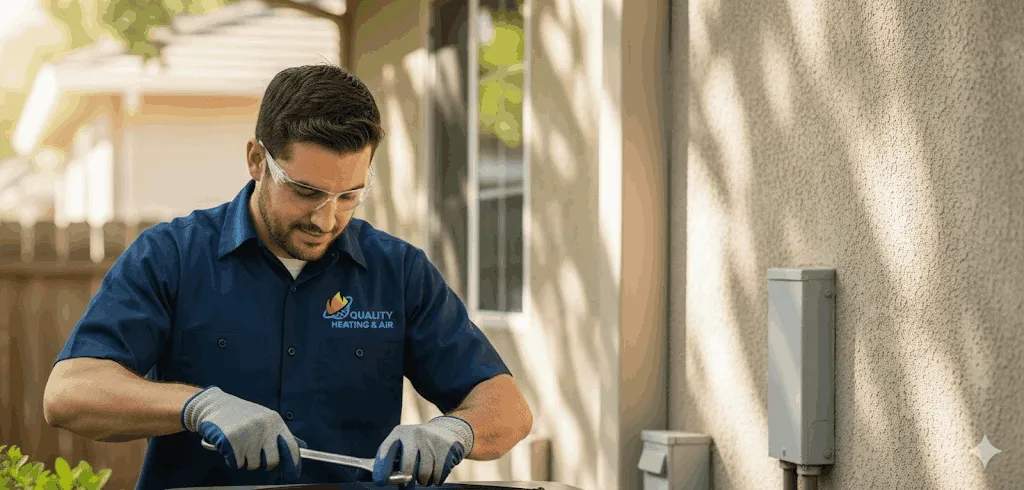
Boiler Replacement in Superior, CO
Replacing an aging or failing boiler is a major home decision, especially in Superior, CO where cold Front Range winters and higher elevation affect system performance. A proper boiler replacement restores reliable heat, improves energy efficiency, reduces operating costs, and eliminates safety concerns from cracked heat exchangers or venting issues.
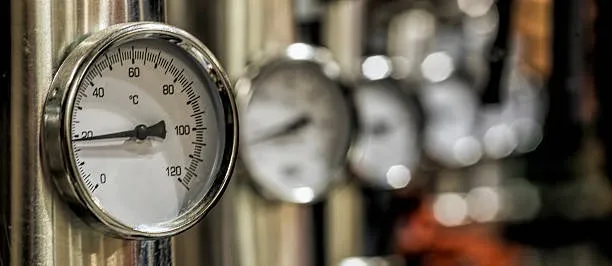
Why Superior, CO homeowners replace boilers
Superior homes face seasonal temperature swings and freeze risk during winter nights. Older boilers often struggle to keep homes comfortable and can waste fuel at higher elevations if not sized or tuned correctly. Typical drivers for replacement include:
- Repeated repairs and rising maintenance costs
- Age of system (most boilers older than 15 to 20 years are prime candidates)
- Significant efficiency losses and higher utility bills
- Yellow or sooty combustion, unusual noises, or visible leaks
- Uneven heating, cold radiators, or failing hot water delivery
- Safety concerns such as cracked heat exchangers or improper venting
Common boiler replacement issues in Superior, CO
Homeowners in Superior commonly face:
- Improperly sized boilers leading to short-cycling or insufficient heat
- Outdated venting and combustion systems not compliant with current codes
- Corroded piping, leaks at joints, and failing circulator pumps
- Incompatible controls and thermostats that prevent zoning or efficient modulation
- Mineral buildup or poor water treatment in hydronic systems that shorten equipment life
System evaluation and accurate sizing
A thorough evaluation is the first step for any boiler replacement in Superior, CO. Key elements include:
- Visual inspection of the existing boiler, flue, venting, piping, expansion tank, and controls
- Heat loss calculation for your home (Manual J style) adjusted for elevation and local climate
- Combustion analysis to assess current performance and safety
- Assessment of distribution system: radiators, baseboard, in-floor loops, or radiant panels
- Evaluation of fuel supply and venting configuration
- Recommendations for integration with current or future controls, zoning, and indirect water heaters
Proper sizing is crucial. Oversized boilers cycle frequently and waste fuel; undersized units cannot meet peak winter loads. At Superior elevations, combustion performance and available heating value can differ from sea level, so altitude-corrected sizing and combustion tuning are part of an accurate evaluation.
Energy-efficient and properly sized replacement options
Replacement choices should match your home’s needs and long-term goals. Energy-efficient options commonly recommended:
- Modulating-condensing (mod-con) boilers - high AFUE, modulates output to match load, excellent for variable demand
- Condensing boiler combos - integrated domestic hot water and space heating, compact for smaller boiler rooms
- High-efficiency cast iron or stainless steel boilers - durable options for specific system types
- Combi systems or hybrid solutions - good for homes wanting space and hot water from one unit
When recommending a unit, professionals will explain AFUE ratings, expected seasonal savings, compatibility with your distribution system, and how the new boiler will perform in Superior cold snaps.
Removal, disposal, and safe installation steps
A professional replacement follows a clear, safe process:
- Pre-install review and permit acquisition
- Shut down and disconnect fuel and electrical connections
- Safe removal of the old boiler and associated materials, with handling of any hazardous components per local regulations
- Modification of venting, flue, and gas lines as needed
- Placement and secure mounting of the new boiler, piping, pumps, and controls
- Water treatment, flushing, and system fill with proper air elimination
- Electrical connections, control integration, and thermostat zoning setup
- Final combustion tuning, pressure testing, and insulation of piping
Proper disposal complies with local codes and environmental rules for fuel-burning equipment. Older installations sometimes contain asbestos in gaskets or insulation; professionals follow abatement protocols when necessary.
Permits and code compliance in Superior, CO
Boiler replacements typically require permits and inspections to ensure code compliance, safe venting, correct fuel connections, and proper combustion air. Local building departments enforce codes that protect occupants and the community. Using licensed technicians familiar with Boulder County and Superior requirements ensures installations are inspected and approved, preventing costly rework and ensuring safety.
Financing, rebate, and incentive considerations
Many homeowners offset replacement costs through financing programs and energy-efficiency incentives. Options often include:
- Energy-efficiency rebates from local utilities or state programs for high-AFUE boilers
- Financing or loan programs for home energy upgrades
- Manufacturer or dealer financing plans and extended service warranties
- Potential tax credits or incentives for qualifying equipment depending on current programs
When evaluating options, compare expected energy savings, rebate eligibility, and warranty coverage to determine the best total-cost outcome for your Superior home.
Warranty coverage and post-installation commissioning
Understand standard warranty elements for any replacement:
- Manufacturer limited warranty for heat exchanger and components (length varies by model)
- Parts-only versus parts-and-labor coverage
- Optional extended warranties or maintenance agreements
After installation, commissioning verifies the system performs as designed. Typical commissioning steps:
- Combustion efficiency and CO testing
- System pressure, leak, and safety control checks
- Temperature and flow verification across loops and zones
- Thermostat programming and homeowner orientation on operation and maintenance
- Documentation for permits, warranty registration, and rebate applications
Long-term benefits and maintenance advice
Replacing your boiler delivers immediate comfort improvements and long-term advantages:
- Lower fuel consumption and more stable indoor temperatures
- Greater reliability during Superior winters and cold spells
- Safer operation with updated combustion and venting systems
- Compatibility with modern controls and zoning for targeted comfort and savings
Maintain your investment with annual tune-ups, periodic system flushing where needed, proper water treatment, and checks of the expansion tank, pressure relief, and circulators. Scheduling service before winter ensures maximum comfort when temperatures drop.
Replacing a boiler in Superior, CO is a strategic, safety-focused investment. A careful assessment, altitude-aware sizing, code-compliant installation, and documented commissioning deliver the efficiency, reliability, and peace of mind local homeowners expect.
Promotions
Save on seasonal system checks from a local team that treats your home like our own.

Testimonials
Neighbors trust Quality Heating & Air for honest work and fair pricing.