
Boiler Installation in Superior, CO
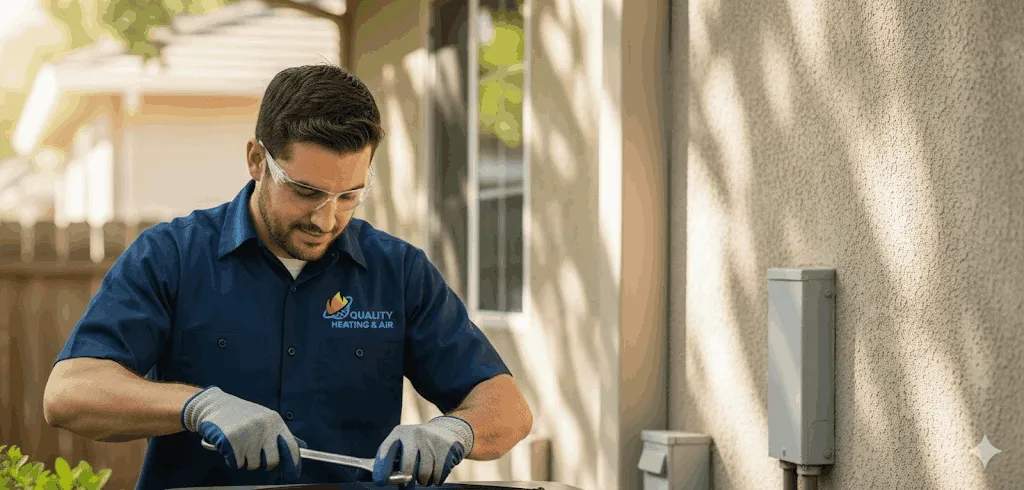
Boiler Installation in Superior, CO
A properly sized and professionally installed boiler delivers reliable, even heat through Superior winters while protecting your home and lowering long-term energy use. Whether you are replacing an aging cast-iron boiler, switching to a high-efficiency condensing model, or installing a combi boiler for space heating and domestic hot water.
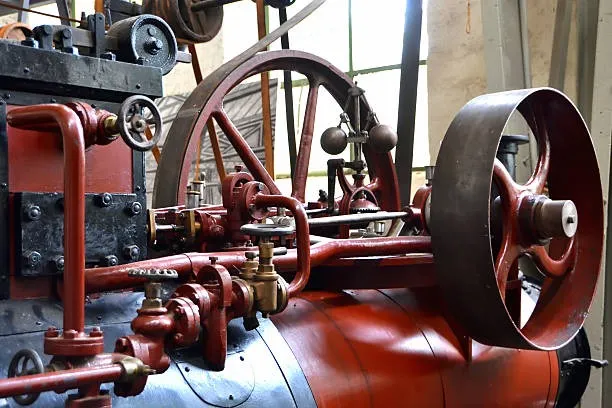
Why a professionally installed boiler matters in Superior, CO
Superior experiences cold, snowy winters and large temperature swings, so heating systems work hard. Poorly matched boilers or incorrect venting lead to inefficiency, cycling, frozen pipes, or flue problems when snowpack and high winds affect draft. A professional installation ensures safe combustion, correct load sizing, proper venting and code compliance so your new system performs reliably and efficiently for years.
Common boiler types and typical issues in Superior homes
- High-efficiency condensing boilers: Excellent for energy savings but require proper condensate drainage and corrosion-resistant venting.
- Combi boilers: Compact solution for homes with limited space; performance depends on domestic hot water demand.
- Cast-iron boilers: Durable for low-temperature systems, but often less efficient and bulky to replace.
- Fuel options: Natural gas is common in many Superior neighborhoods; some properties use propane or electric boilers. Fuel availability and utility rates influence the best choice.
Common installation issues in the area:
- Inadequate flue termination above snow drifts or rooftop cornices
- Incorrect load calculations that under- or oversize the system
- Insufficient freeze protection for exposed piping or outdoor appliances
- Improper combustion air management in tightly sealed homes
Initial site assessment and load calculations
A thorough site assessment is the foundation of a reliable installation. Professionals will:
- Inspect existing heating distribution (radiators, baseboard, radiant floors) and evaluate compatibility.
- Perform heat loss calculations for each conditioned zone, accounting for Superior’s elevation, insulation levels, window types, and local exposure.
- Verify fuel supply and ventilation options, and check mechanical room access and structural constraints.
- Review domestic hot water demands if considering a combi or integrated system.
Accurate load calculations prevent oversized equipment, reduce short cycling, and deliver consistent comfort.
Choosing the right fuel type and model
Choosing between natural gas, propane, electric, or hybrid solutions depends on:
- Fuel availability and local utility pricing in Superior
- Home layout and whether you need hot water alongside space heating
- Efficiency goals and long-term operating cost preferences
- Physical space and venting options in your mechanical room
Model selection considerations:
- Opt for sealed-combustion or direct-vent units in tighter homes to isolate combustion air
- Choose condensing boilers where return water temperatures allow high-efficiency operation
- Match modulation range to your load profile for quieter operation and energy savings
- Verify manufacturer support and warranty availability for Colorado conditions
Step-by-step professional installation process
- Pre-install planning: final equipment selection, permit review, and material ordering.
- Site preparation: clear access, protect floors and finishes, relocate or remove old equipment as needed.
- Piping and distribution modifications: install correctly sized supply and return piping, air separators, and expansion tanks; adapt to modern controls if upgrading.
- Venting and combustion air: install compliant flue systems, condensate drains for condensing units, and combustion air pathways.
- Gas or fuel connections: perform leak-tested fuel hookups and pressure testing per code.
- System fill and purge: flush, charge, and purge the hydronic system to remove air and debris.
- Commissioning and controls setup: set boiler operating parameters, outdoor reset curves where applicable, and integrate with thermostats or zone controls.
- Safety and performance checks: combustion analysis, carbon monoxide verification, and operational testing under load.
Experienced technicians follow manufacturer installation manuals and local codes during each step to ensure safe, efficient performance.
Ventilation and flue considerations for Superior, CO
At Superior’s elevation and climate:
- Use flue materials rated for condensation when using high-efficiency boilers.
- Place vent terminations where prevailing winds and snow accumulation will not block intake or exhaust. Pay attention to nearby rooflines, eaves, and HVAC equipment.
- Sealed combustion with direct venting is recommended in tightly insulated homes to reduce draft problems and ensure safe combustion air supply.
- Ensure condensate drains are routed away from freeze-prone areas or installed with freeze protection.
Code, permits, and inspections
Boiler installations require permits and inspections under Boulder County and municipal building codes. Typical requirements include:
- Mechanical and plumbing permits for new boilers and fuel line modifications
- Gas piping inspection and pressure testing
- Combustion air and venting code compliance
- Final inspection and certificate of occupancy for major replacements
Licensed HVAC professionals coordinate permit applications and work with local inspectors to meet all code requirements for Superior and surrounding jurisdictions.
Estimated timelines and cost factors
Most boiler installations in single-family Superior homes are completed within a short project window once permits are secured. Timeline length depends on:
- Scope of piping modifications or conversion between fuel types
- Complexity of venting or structural work
- Need for additional system upgrades such as zone controls or heat sources
Cost is influenced by:
- Boiler type and efficiency level
- Required modifications to piping, vents, or fuel lines
- Replacement of controls or integration with existing distribution
- Accessibility and any necessary structural work
Discussing these factors up front helps set realistic expectations for project duration and investment without surprises.
Warranty, maintenance handoff, and homeowner guidance
At completion, homeowners should receive:
- Manufacturer warranty documentation and registered coverage information
- A clear maintenance plan outlining frequency and tasks such as annual combustion tuneup, filter and strainer cleaning, expansion tank checks, and system flushing intervals
- Operating instructions for thermostats, outdoor reset controls, and zone valves
- Safety advice about carbon monoxide alarms, outdoor vent clearance, and what to do if you suspect a leak
A professional handoff includes demonstration of normal operation, basic troubleshooting tips, and scheduled first maintenance.
Long-term benefits and maintenance tips
A correctly installed boiler provides:
- More consistent, comfortable heat and quieter operation compared to older systems
- Improved energy efficiency that matters in Superior’s heating-dominant energy use profile
- Longer equipment life with regular maintenance and proper water quality management
Maintenance tips for Superior homeowners:
- Schedule annual professional tuneups before winter
- Keep outdoor vent terminations clear of snow and debris
- Check pressure and visually inspect piping for leaks periodically
- Install and regularly test carbon monoxide detectors near sleeping areas
A professional, code-compliant installation tailored to Superior’s climate and home styles ensures safety, efficiency, and dependable comfort through the coldest months.
Promotions
Save on seasonal system checks from a local team that treats your home like our own.

Testimonials
Neighbors trust Quality Heating & Air for honest work and fair pricing.