
Boiler Tune Up in Arvada, CO
Boiler Tune Up in Arvada, CO
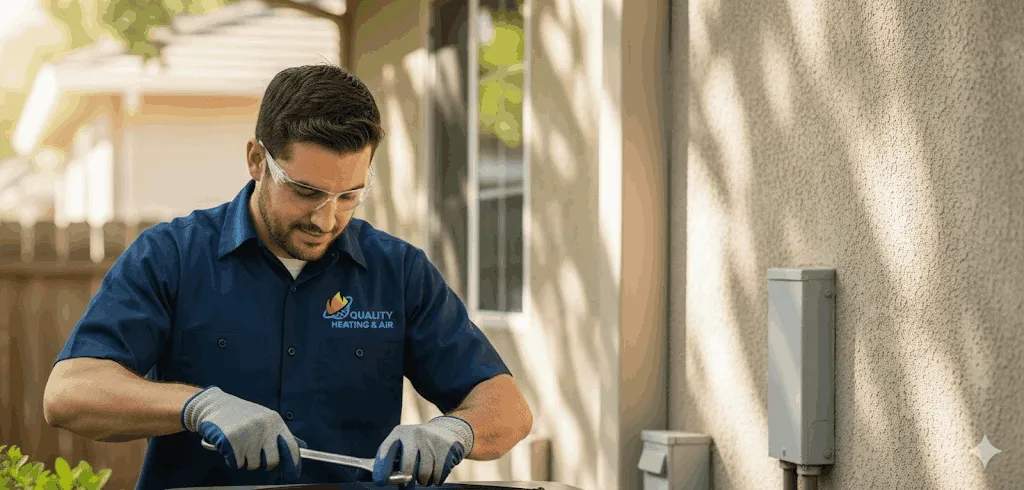
A professional boiler tune up is one of the most cost-effective ways to keep your Arvada home warm, safe, and energy efficient through Colorado’s cold months. Regular tune ups find developing issues early, restore efficiency lost to soot and scale, verify safety systems, and extend the useful life of your boiler.
Why Arvada homes need annual boiler tune ups
Arvada’s high-elevation climate brings cold, dry winters and frequent temperature swings. Those conditions increase boiler run-time and accelerate wear on controls, circulators, and flue systems. Many Arvada houses also have older plumbing and mineral-rich (hard) water, which can promote scale on heat exchangers and reduce heat transfer. A seasonal tune up tailored to local conditions helps protect your system from the stresses of winter operation and prevents midseason breakdowns when heat is most critical.
What a full boiler tune up includes
A thorough tune up inspects, cleans, tests, and adjusts all critical components so your boiler runs safely and efficiently. Typical elements include:
- Inspection and visual checks
- Combustion chamber and burner assembly inspection
- Heat exchanger and flue path examination for cracks, corrosion, or soot
- Venting and chimney integrity check for proper draft and obstructions
- Boiler room/installation area review for clearance and safety concerns
- Safety and control testing
- Carbon monoxide (CO) and flue-gas checks where applicable
- Verification of pressure and temperature controls, limit switches, and low-water cutoffs
- Pressure relief valve inspection and operation test
- Thermostat calibration and sequencing checks
- Cleaning of critical components
- Burner surface cleaning and removal of soot/debris
- Heat exchanger cleaning to reduce scale and improve heat transfer
- Cleaning or replacing small strainers and filters
- Flue and ventilation cleaning as needed
- Condensate trap and drain cleaning on condensing boilers
- System testing and minor adjustments
- Ignition system and pilot operation testing
- Fuel/air combustion tuning to optimize efficiency and reduce emissions
- Circulator pump inspection and lubrication where applicable
- System pressure adjustment and air purging to eliminate cold spots
- Valve operation check (zone valves, mixing valves, bypass valves)
- Parts checks and recommendations
- Testing of electrical connections, relays, and safety interlocks
- Assessment of expansion tank charge and overall system balance
- Identification of worn components likely to fail (gaskets, sensors, belts, circulators)
Typical tune-up checklist (quick view)
- Burners inspected and cleaned
- Combustion/venting checked for proper draft and CO levels
- Heat exchanger inspected and descaled if needed
- Controls, safeties, and low-water cutoffs tested
- Circulator pump and valves inspected and adjusted
- Thermostat and system pressure checked and calibrated
- Filters/strainers cleaned or replaced
- Condensate lines and traps cleaned on high-efficiency units
- Written notes on recommended repairs or parts replacement
How technicians diagnose problems (what to expect during a visit)
A standard tune-up visit begins with a system history and visual inspection. Technicians will run the boiler through a full heating cycle while measuring pressures, temperatures, and combustion where applicable. They listen for unusual noises from pumps or burners, check for leaks and corrosion, and evaluate how evenly heat is distributed through radiators or in-floor systems. When issues are found—such as a slow circulator, blocked vent, or scale on the heat exchanger—technicians prioritize safety fixes first and document any component replacements that will improve reliability or efficiency.
Common issues found in Arvada and practical solutions
- Soot buildup on burners or heat exchanger: cleaned during tune up to restore efficiency
- Low system pressure or repeated pressure loss: diagnosed for leaks and repaired to protect the boiler
- Faulty or drifting thermostats: recalibration or replacement ensures consistent comfort
- Corroded or restricted venting: repair or replacement of venting components to ensure safe exhaust
- Scale from hard water in hydronic systems: mechanical cleaning, treatment recommendations, or installation of filtration to reduce recurrence
- Weak or noisy circulator pumps: lubrication, adjustment, or replacement for quiet, reliable flow
Expected outcomes and measurable benefits
After a comprehensive tune up you should notice:
- More reliable heating performance with fewer cold spots and fewer unexpected failures
- Improved efficiency and reduced fuel use compared with a neglected system
- Lower operating costs over the heating season thanks to optimized combustion and cleaner heat transfer
- Enhanced safety with properly functioning controls, tested venting, and reduced carbon monoxide risk
- Extended equipment life by addressing wear and preventing stress-related failures
While exact savings vary by system age and condition, homeowners typically see improved responsiveness and steadier energy use during the winter after a professional tune up.
Recommended frequency and timing
- Annual tune up: The industry standard and the best practice for most Arvada homes is a yearly boiler tune up, scheduled in early fall before heavy winter use.
- Older or high-use systems: Consider twice-yearly checks (fall and mid-winter) for boilers that are older, heavily used, or have had recurring problems.
- After repairs or replacement: Any major repair or new installation should be followed by a commissioning tune up to ensure settings and controls are optimized for your home.
Simple maintenance tips between tune ups
- Check visible pressure and temperature gauges monthly during the heating season
- Bleed radiators or purge air from zones showing cold spots
- Keep the boiler area clear of storage and combustible materials
- Replace inline filters/strainers per manufacturer guidance
- Install and test CO detectors near sleeping areas and the boiler room
A professional boiler tune up in Arvada, CO is a smart investment: it reduces the likelihood of emergency repairs, improves efficiency during the long heating season, and preserves the safety and comfort of your home. Regular maintenance tailored to local climate conditions and water quality protects your heating system and helps ensure predictable, efficient performance when you need it most.
Promotions
Save on seasonal system checks from a local team that treats your home like our own.

Testimonials
Neighbors trust Quality Heating & Air for honest work and fair pricing.