
Boiler Installation in Arvada, CO
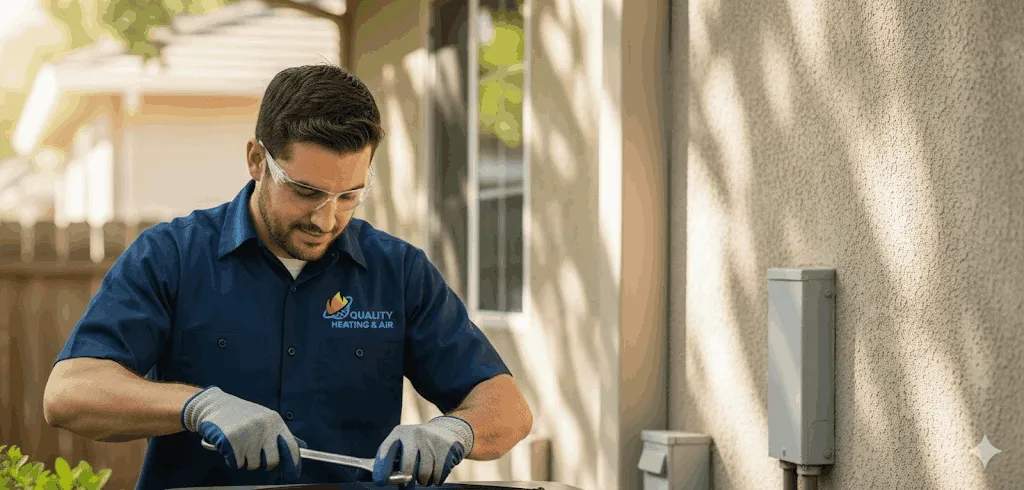
Boiler Installation in Arvada, CO
A properly planned and executed boiler installation gives your Arvada home reliable, efficient heat through cold Front Range winters. Whether you are replacing an aging boiler or installing hydronic heat for the first time, a professional installation tailored to your home size, distribution system, fuel type, and local conditions ensures better comfort, lower operating costs, and long equipment life.
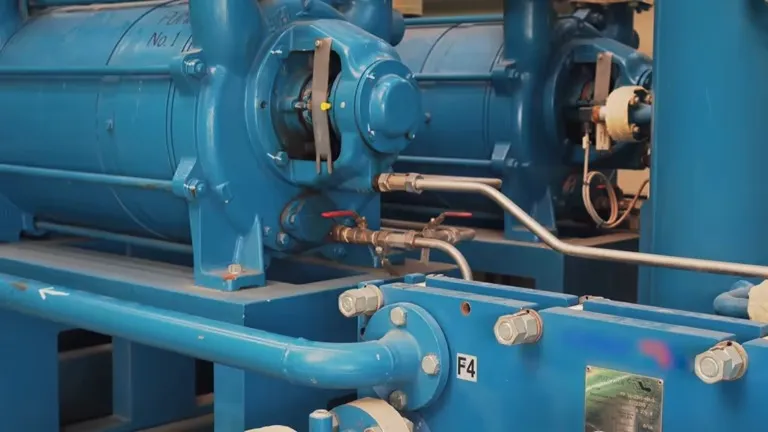
Why a professional boiler installation matters in Arvada
Arvada winters are cold and variable, and the city’s higher elevation (roughly 5,000 feet) affects combustion performance and heat output. Many homes in Arvada have older radiators or baseboard systems that require careful matching to modern boilers. Proper sizing, venting, and water treatment are essential to avoid efficiency losses, frequent service calls, or premature component failure. A quality installation addresses these local factors up front.
Common boiler types and what works best locally
- Condensing gas boilers: High efficiency with significant energy savings for homes on natural gas. Best for new installs or when replacing an older non-condensing unit.
- Combi boilers: Provide both space heating and domestic hot water in a single compact unit. Good for smaller Arvada homes or where space is limited.
- Cast-iron or non-condensing boilers: Durable and suited to existing hydronic systems that require higher water temperatures.
- Electric or propane options: Effective where natural gas isn’t available, though operating costs vary.
Choosing the right type depends on distribution (radiators, baseboard, in-floor), fuel availability, and efficiency priorities.
Our installation process — what to expect
This outlines a professional, step-by-step approach so homeowners know exactly what happens from assessment to final commissioning.
Initial consultation and home assessment
- Detailed discussion of your comfort goals, existing system history, and budget priorities.
- On-site heat loss calculation and inspection of distribution piping, radiators, or in-floor tubing.
- Review of fuel source, venting options, electrical requirements, and utility access.
System selection and proposal
- Recommendation of boiler models sized to your home’s calculated heat load.
- Discussion of condensing vs non-condensing choices, controls (smart thermostats, outdoor reset), and zoning options for multi-story Arvada homes.
- Overview of permit requirements and anticipated timeline.
Site preparation
- Clearing and protection of the work area inside the home.
- Verification of venting runs, chimney condition, or direct-vent routing. At Arvada elevations, combustion settings and venting are confirmed to meet code and manufacturer requirements.
- Preparations for fuel connections, condensate drain routing, and electrical hookups.
Professional installation steps
- Safe removal and disposal of the old boiler and associated components when applicable.
- Installation of new boiler on proper support, including anti-vibration and clearance measures.
- Piping connections: supply, return, pressure relief valve, expansion tank, and air vents. Integration with existing radiators or hydronic loops is carefully done to preserve balance.
- Gas or fuel hookup and leak testing. For gas systems, combustion settings are adjusted for higher elevation to ensure safe, efficient operation.
- Condensate drain installation and, if needed, installation of a condensate neutralizer to protect local drains from acidic condensate.
- Electrical wiring for controls and pumps, and installation of modern controls for efficiency and zoning.
Post-installation testing and commissioning
- System pressure testing and leak checks.
- Initial fill and controlled purging of air from the hydronic loops to prevent noise and ensure efficient heat transfer.
- Combustion analysis and efficiency check when applicable, verifying safe CO levels and proper draft.
- Balancing the system and setting controls, thermostats, and outdoor reset curves.
- Final safety checks and verification of compliance with local Arvada/Jefferson County codes and inspection requirements.
Manufacturer warranty registration and documentation
- Registration of the new boiler with the manufacturer to activate warranty coverage.
- Provision of serial numbers, warranty paperwork, and an owner packet that includes operating instructions, service schedules, and parts documentation.
- Explanation of warranty terms and what routine maintenance is required to keep warranty valid.
What homeowners can expect during and after installation
- Timeline: Typical replacement installations take one to two days, depending on complexity and system changes. New system installs that involve major piping or venting can take longer.
- Disruption: Expect some noise, dust, and temporary interruptions to heating and possibly hot water. Technicians will protect floors and minimize disruption.
- Safety: Gas is shut off during work, and combustion and CO checks are completed before leaving. You will be shown how to operate the new system and recognize normal vs abnormal behavior.
- Performance: New boilers will deliver more even, reliable heat and quieter operation. If older radiators are present, you may notice faster warm-up and more consistent room temperatures.
- Paperwork: You will receive warranty registration confirmation, manuals, and a recommended maintenance schedule.
Common installation challenges in Arvada and how they’re handled
- Altitude adjustments: Burners and combustion settings are tuned for higher elevation to maintain efficiency and safety.
- Older distribution systems: When radiators or baseboards are undersized or corroded, upgrades or zoning solutions may be recommended to achieve target comfort.
- Hard water and scale: Colorado’s harder water can cause scale buildup. Installation includes recommendations for water treatment, flushing, or filters when appropriate.
- Venting limitations: Tight lot lines and existing chimneys require creative vent strategies, including direct venting and condensate management for condensing boilers.
Long-term benefits and maintenance guidance
- Benefits: Improved energy efficiency, consistent comfort, quieter operation, and fewer emergency repairs. Properly installed boilers last longer and retain efficiency.
- Maintenance: Annual tune-ups to check combustion, clean heat exchangers, inspect controls, and verify system pressure. Bleed radiators at season start, and consider system flushing or chemically treating the loop every few years for longevity.
- Troubleshooting tips: Monitor pressure, listen for unusual noises, and watch for cold spots on radiators. Promptly address leaks or persistent pressure loss to avoid larger repairs.
A carefully planned boiler installation in Arvada, CO restores dependable warmth tailored to local conditions and your home’s specific needs. With correct sizing, attention to elevation and water quality, and professional commissioning and warranty registration, homeowners can expect years of efficient, comfortable heating.
Promotions
Save on seasonal system checks from a local team that treats your home like our own.

Testimonials
Neighbors trust Quality Heating & Air for honest work and fair pricing.