
Boiler Repair in Arvada, CO
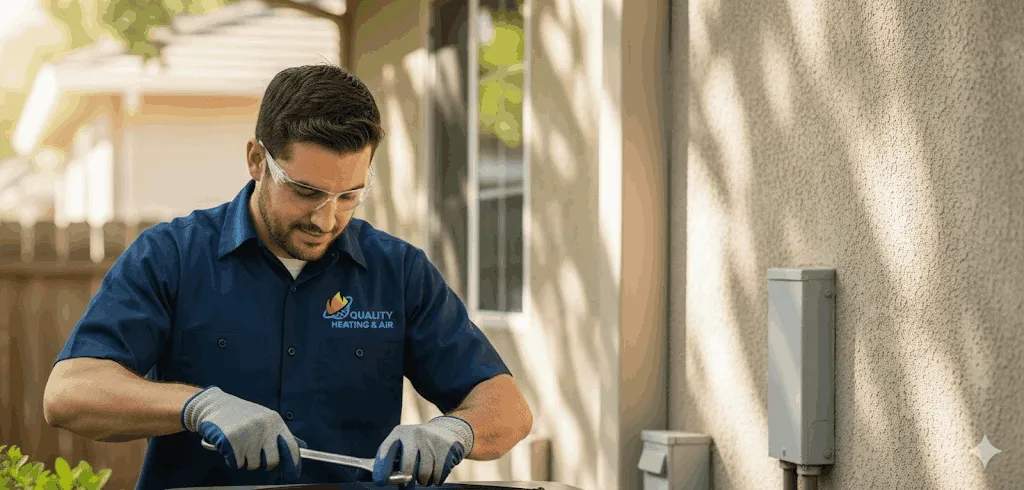
Boiler Repair in Arvada, CO
When your boiler fails in the middle of an Arvada winter, the problem is immediate: cold rooms, frozen pipes, and the stress of an unexpected repair. Boiler Repair in Arvada, CO focuses on diagnosing common failures quickly, restoring safe heat, and helping homeowners choose the right repair or replacement path. Arvada’s seasonal freeze-thaw cycles, occasional heavy snow, and the Denver metro area’s water mineral content all influence common boiler issues—so localized diagnostics and fixes matter.
Why timely boiler repair matters for Arvada homes
- Safety: Faulty boilers can produce carbon monoxide, dangerous leaks, or combustion problems that require immediate attention.
- Preventing secondary damage: Leaks and pressure failures can damage walls, floors, and finished basements in older Arvada houses.
- Efficiency and cost: A repaired or properly adjusted boiler runs more efficiently in the long Colorado heating season, reducing energy usage and utility bills.
- System longevity: Timely repairs address wear before small problems lead to full-system replacement.
Common boiler problems in Arvada and how they present
- No heat or reduced heat output: Could be ignition failure, low water pressure, or a failed circulator pump.
- Uneven heating or cold radiators: Often caused by trapped air, failing zone valves, or a malfunctioning pump.
- Leaks or low system pressure: Corroded fittings, failed pressure relief valves, or small hairline cracks in older heat exchangers.
- Short cycling (turning on/off rapidly): Thermostat issues, oversized unit, or a failing control board.
- Strange noises (kettling, banging, gurgling): Scale buildup from mineral-rich water, trapped air, or failing pumps.
- Pilot light or ignition failures: Gas supply, faulty thermocouple, ignition module, or venting issues.
- Frozen condensate lines on high-efficiency boilers: Common in cold snaps if outdoor piping is exposed.
- Corrosion and scale on components: Water quality in the Front Range accelerates scale and corrosion over time, affecting efficiency and heat transfer.
Diagnostic process — what a professional inspection includes
A systematic diagnostic protects your home and identifies the root cause quickly:
- Visual inspection of the boiler, piping, vents, and combustion area for corrosion, leaks, and improper clearances.
- Safety checks: combustion analysis, carbon monoxide monitoring, and venting integrity.
- Pressure and temperature testing of the hydronic system, including the expansion tank and relief valve operation.
- Electrical diagnostics for ignition modules, controls, and thermostat communications.
- Circulator pump and zone valve function tests; radiator bleeding to find trapped air.
- Water quality assessment to check for scale, corrosion, and signs of sediment buildup.Technicians combine these steps with system history and age to recommend repair, partial rebuild, or replacement.
Emergency vs scheduled repair services in Arvada
- Emergency boiler repair: For no-heat conditions in freezing weather, active leaks, or suspected carbon monoxide issues. Emergency responses are prioritized to reduce risk to occupants and property.
- Scheduled or preventative repair: Non-urgent issues such as pilot re-lighting, minor leaks, noisy operation, or efficiency tuning can be handled during scheduled service windows to minimize disruption.
Expected response windows vary by provider and season, but emergency calls are prioritized ahead of scheduled work during winter months. Scheduled repairs and diagnostic visits are typically booked within the next available business day or two depending on demand.
Parts replacement and common troubleshooting steps
Common parts replaced during boiler repairs in Arvada:
- Circulator pumps and bearings
- Pressure relief valves and expansion tanks
- Zone valves and thermostatic controls
- Ignition modules, gas valves, and thermocouples
- Heat exchanger repairs or replacements when cracked or heavily corroded
- Control boards and sensors
Typical troubleshooting steps technicians perform:
- Reset and safely test ignition and control sequences
- Isolate and test zones to find localized failures
- Flush and test hydronic loops to remove sediment and trapped air
- Replace worn seals, fittings, and valves to stop leaks
- Recommend water treatment when scale is affecting performance
Repair vs replacement considerations: technicians weigh system age, repair cost relative to remaining useful life, energy efficiency loss, and the condition of the heat exchanger. For older boilers with repeated failures or compromised heat exchangers, replacement often offers better long-term reliability and efficiency.
Pricing guidelines and cost factors
Instead of fixed prices, expect an itemized estimate that explains how costs are determined. Key factors that influence repair costs include:
- Boiler type (steam vs hot water vs condensing)
- Accessibility of the unit and extent of disassembly required
- Cost of replacement parts and whether OEM components are needed
- Labor time for diagnostics, repairs, or part replacements
- Emergency scheduling or after-hours service requirements
- Local permit or inspection requirements when replacing major components or making gas-line changes
A clear, written estimate should outline labor, parts, diagnostic fees, and whether any follow-up visits are required.
Technician qualifications, warranties, and guarantees
Boiler repairs in Arvada should be performed by licensed, trained technicians who follow local code and safety standards. Look for professionals with:
- HVAC or plumbing licensing as required by Colorado jurisdictions
- Industry certifications such as NATE or manufacturer-specific factory training
- Liability insurance and worker coverage for on-site safety
Warranty and guarantee practices to expect:
- Manufacturer parts warranties on replacement components
- A workmanship guarantee for a defined period after repair
- Proper documentation for any warranty claims and installed part serial numbers
Preventative maintenance and tips to reduce breakdowns
- Annual pre-winter tune-up: combustion testing, cleaning, and adjustments before the heating season.
- Regularly check system pressure and bleed radiators or zones to prevent air locks.
- Install or maintain carbon monoxide detectors near living areas and sleeping rooms.
- Insulate exposed pipes and condensate lines to reduce freezing risk during cold snaps.
- Consider water treatment or softening if scale buildup is recurring.
- Replace aging thermostats with modern, programmable units for consistent operation.
- Keep boiler area clear and accessible for service and visual checks.
Boiler Repair in Arvada, CO aims to protect comfort, safety, and system value. With focused diagnostics, qualified technicians, transparent estimates, and seasonal maintenance tailored to the Front Range climate, homeowners can minimize disruption and extend boiler life while maintaining efficient, reliable heat throughout the cold months.
Promotions
Save on seasonal system checks from a local team that treats your home like our own.

Testimonials
Neighbors trust Quality Heating & Air for honest work and fair pricing.