
Boiler Replacement in Denver, CO
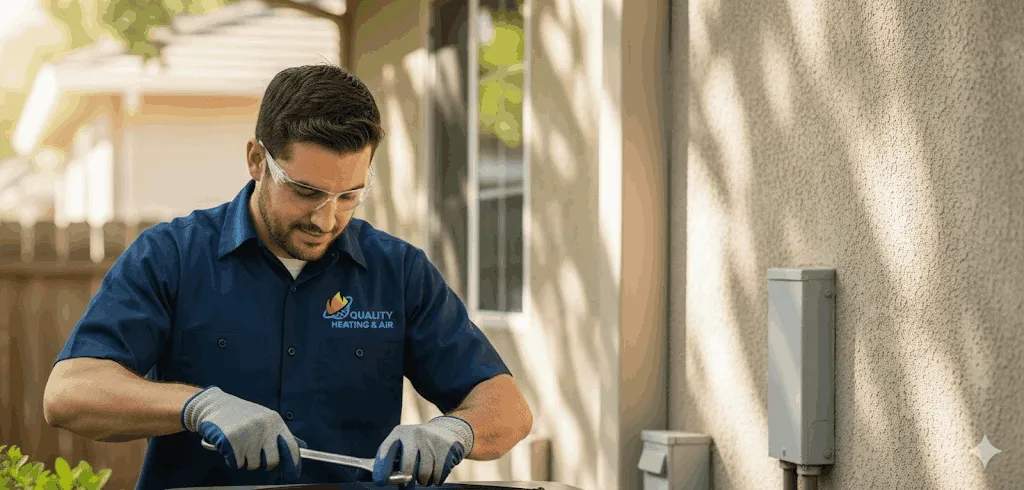
Boiler Replacement in Denver, CO
Replacing a boiler is a big decision for Denver homeowners who rely on steady, efficient heating through long winters and chilly shoulder seasons. A properly sized, high-efficiency replacement can improve comfort, reduce energy use, and increase reliability—especially in Denver’s high-altitude climate where older boilers and undersized systems are common.
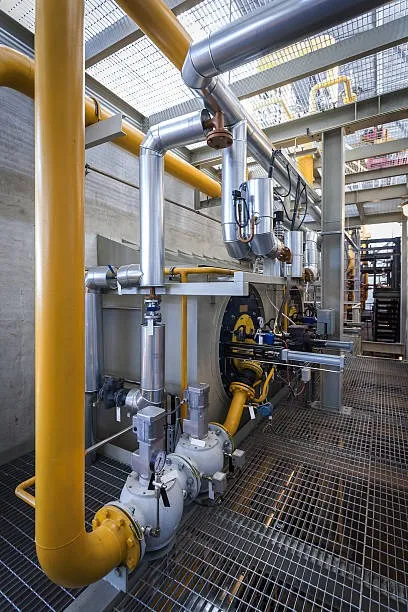
Why replacement matters for Denver homes
Denver winters can be cold and dry, with big temperature swings between day and night. Many local homes still use aging cast-iron or early-generation gas boilers that lose efficiency over time, experience repeated repairs, or struggle to meet modern comfort expectations. At Denver’s elevation, combustion performance and venting are affected, and older systems often lack modern controls that optimize efficiency. Replacing an aging boiler with an appropriately specified unit improves reliability, reduces seasonal heating bills, and supports safer operation with up-to-date combustion safety features.
Common boiler problems that lead to replacement
- Recurrent breakdowns and escalating repair costs
- Decreasing efficiency and higher natural gas usage
- Uneven heating or failure to reach set temperatures
- Corrosion, leaks, or cracked heat exchangers in older cast-iron units
- Incompatible or obsolete parts that are no longer available
- Inability to deliver domestic hot water (for systems using indirect water heaters)
- Safety or venting concerns at high elevation
Comprehensive assessment and load calculations
A replacement begins with a thorough on-site assessment:
- Inspect existing boiler type (hot water vs steam), distribution (radiators, baseboards, radiant), fuel type, and venting.
- Perform a room-by-room heat loss calculation (industry-standard heat loss method often referenced as Manual J style) to determine the true heating load. This prevents oversizing, improves efficiency, and ensures comfort.
- Evaluate domestic hot water needs if considering a combi or indirect tank.
- Check distribution system temperatures and return-water temperatures—important for condensing boilers to achieve rated efficiency.
- Account for Denver-specific factors such as altitude effects on combustion and ventilation, and common home characteristics like older pipe insulation or single-pane windows.
Comparing high-efficiency replacement options
- Modulating-condensing boilers (mod-con): Best-in-class seasonal efficiency when paired with lower return-water temperatures, outdoor reset controls, and proper distribution. Ideal for homes where radiators or baseboards can operate at lower temps or where radiant systems already run cool.
- Combi boilers: Combine space heating and domestic hot water in one compact unit. Good for smaller homes or where tankless hot water is desired, though flow rates and plumbing layout must be matched to household demand.
- High-efficiency non-condensing boilers: Suitable where return-water temps remain high (older radiator systems) or where venting or piping constraints make condensing models impractical.
- Hydronic system upgrades: Consider zone controls, thermostatic radiator valves, or an indirect water heater to pair with the new boiler for better efficiency and comfort.
Removal, disposal, and site preparation
- Safely drain and depressurize the system; isolate fuel supply.
- Inspect for hazardous materials—older installations may require special handling for asbestos-wrapped piping or insulation.
- Disconnect venting per manufacturer requirements; condensing boilers typically require PVC or special venting, while non-condensing units use metal venting.
- Remove old equipment and dispose of it in compliance with local regulations; recycling of scrap metal is common.
- Prepare the boiler room for new equipment: clearing space, verifying floor load, and providing required clearances and condensate/drain connections.
Professional installation steps
- Install the new boiler on appropriate supports with correct clearances.
- Connect supply, return, fuel, electrical, controls, and flue according to manufacturer specs and code.
- Commissioning: purge air from the system, balance zones, set outdoor reset and control parameters, and verify pump operations.
- Perform combustion analysis and safety checks (CO testing, gas pressure, vent draft) and make adjustments per elevation requirements.
- Provide system documentation and explain basic operation and maintenance needs.
Permitting, code compliance and safety in Denver
- Boiler replacements in Denver typically require a city or county mechanical permit and final inspection. Installed equipment must meet current mechanical and fuel gas codes.
- Elevation considerations: Manufacturers often provide altitude derating or specific installation instructions above certain elevations; installers must follow these guidelines to ensure safe combustion and warranty compliance.
- Combustion air, venting type, and condensate disposal must meet local codes.
- Inspectors will check pressure tests, gas connections, and combustion safety before final sign-off.
Rebates, incentives and financing options
- Utility rebates and state or federal incentives may be available for high-efficiency boilers, condensing models, or equipment paired with qualifying controls. Denver-area homeowners should check local utility programs and state energy-efficiency incentives.
- Financing options commonly include lender programs, manufacturer financing, or home improvement loans to spread the investment over time. Combining utility rebates with efficient choices and modern controls often yields the best long-term value.
Project timeline and what to expect
- Typical timeline for a like-for-like boiler swap is generally short: assessment and selection, permitting, removal, installation, and inspection—often completed within a few days to a week, depending on permit turnaround and complexity.
- More complex jobs—system conversions, adding zoning, moving equipment, or addressing hazardous material abatement—require additional time for design, permitting, and extra labor.
Choosing the right replacement to maximize energy savings and reliability
- Prioritize accurate heat-loss calculations over rule-of-thumb sizing to avoid oversizing and short-cycling.
- Match boiler selection to your distribution system: condensing boilers excel with low-temperature systems; non-condensing may be a better fit when return temps are high and retrofit costs to lower temps are prohibitive.
- Integrate modern controls: outdoor reset, modulating burners, zoning, and smart thermostats deliver the biggest efficiency gains after replacing the boiler itself.
- Factor in durability and serviceability: choose proven manufacturers with documented support and clear altitude/installation guidance for Denver elevations.
Ongoing care and protecting your investment
Regular maintenance—annual combustion checks, system flushing when needed, and water quality control—preserves efficiency and extends the life of your boiler. Keep documentation of permits and equipment specs for future service and potential incentive claims.
Replacing a boiler in Denver requires careful attention to local climate and elevation, accurate sizing, and thoughtful selection of technology and controls. When the replacement is done with a complete assessment, proper venting and combustion adjustments, and modern controls, homeowners gain meaningful improvements in comfort, reliability, and long-term energy performance.
Promotions
Save on seasonal system checks from a local team that treats your home like our own.

Testimonials
Neighbors trust Quality Heating & Air for honest work and fair pricing.