
Boiler Maintenance in Denver, CO

Boiler Maintenance in Denver, CO
A properly maintained boiler is the difference between reliable winter comfort and an emergency service call in the middle of a cold Denver night. Boiler maintenance in Denver, CO focuses on safety, efficient combustion at altitude, and preventing issues caused by hard water and freeze exposure. Routine tune-ups reduce energy use, extend equipment life, and lower the risk of carbon monoxide or equipment failure when you need heat most.
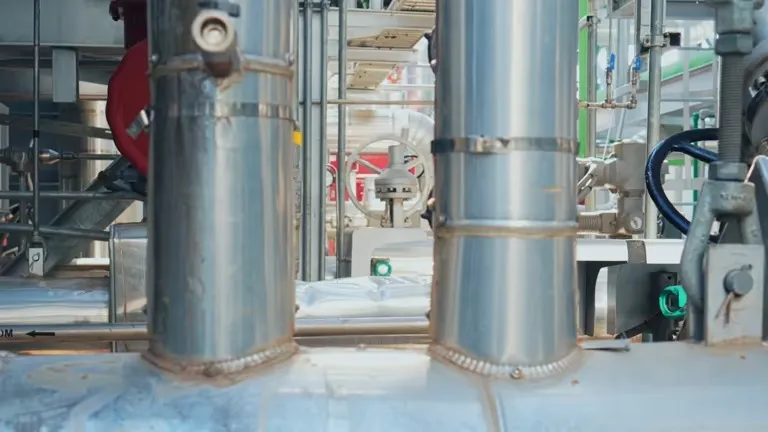
Common boiler maintenance issues in Denver, CO
- Ignition and burner problems — high-altitude combustion and seasonal tune-ups can reveal clogged burners or improper flame characteristics.
- Scale and sediment buildup — Denver’s moderately hard water accelerates scale on heat exchangers and in domestic hot water systems.
- Pressure loss and leaks — freeze-thaw cycles and aging seals cause pressure drops or visible water leaks.
- Venting and flue blockages — winter snow, ice, and bird nests can obstruct vent terminations and draft.
- Condensate line freeze or clog — condensing boilers are vulnerable to frozen condensate lines in cold snaps.
- Faulty controls or thermostats — intermittent cycling or mismatched temperature control impacts comfort and efficiency.
- Circulator pump failure and airlocks — noisy pumps, poor flow, or cold radiators indicate pump or venting issues.
Inspection checklist — what technicians examine
A complete maintenance visit inspects every system component that affects safety, efficiency, and reliability:
- Burner and flame pattern — verify ignition, clean or replace electrodes, and ensure proper flame color and stability.
- Controls and safety devices — test aquastats, limit switches, low-water cutoffs, pressuretrols, and thermostats for correct operation.
- Venting and combustion air — inspect chimneys, flues, and vent terminations for obstructions; verify draft and seal integrity.
- Pressure and temperature readings — check system pressure, boiler water temperature, and expansion tank condition.
- Heat exchanger and combustion chamber — inspect visually and clean to remove soot or scale that reduces heat transfer.
- Combustion analysis — measure CO and CO2 levels and adjust fuel/air mixture for safe, efficient combustion at Denver’s elevation.
- Pumps, valves, and circulating controls — check operation, lubricate bearings, and purge air from the system.
- Relief valve and condensate trap — test the pressure relief valve and clear condensate traps on condensing units.
- Piping, radiators, and air vents — inspect for leaks, cold spots, and trapped air; bleed radiators where applicable.
- Water quality assessment — check for scaling or corrosion and recommend chemical treatment or flushing when needed.
Typical cleaning procedures performed
- Remove and clean burner assembly and electrodes to restore proper ignition.
- Vacuum or brush soot and debris from the combustion chamber and flue passages.
- Flush the heat exchanger or apply chemical descaling if mineral scale is present.
- Clean strainers, inline filters, and condensate traps to restore flow and prevent clogs.
- Flush hot water loops and bleeding radiators to remove trapped air that reduces heat delivery.
- Lubricate moving parts such as pump bearings and motor shafts where serviceable.
Safety and efficiency adjustments
- Combustion tuning for altitude — adjust fuel/air ratio so the boiler runs efficiently and safely in Denver’s higher elevation.
- Calibrate controls and thermostats for accurate temperature regulation and reduced short-cycling.
- Replace worn gaskets, seals, and ignition components to prevent leaks and improve reliability.
- Insulate exposed domestic hot water and boiler piping to reduce standby heat loss.
- Install or verify operation of safety devices like low-water cutoffs and carbon monoxide detectors near the boiler area.
- Recommend water-treatment solutions (magnetic/chemical or softener) when scale formation is significant.
Recommended service intervals for Denver homes
- Annual comprehensive tune-up before the heating season — standard recommendation for most residential boilers.
- Biannual checks for older systems (15+ years), high-use properties, or installations with known water-quality issues.
- Immediate inspection after any unusual noise, pressure loss, visible leaks, or a failed safety device.
- Seasonal checks on condensate lines during extended cold spells to prevent freezing for condensing boilers.
Typical service plan options
- Basic Annual Tune-Up: inspection, safety checks, basic cleaning, and a written checklist of findings.
- Comprehensive Seasonal Tune-Up: full combustion analysis, heat exchanger cleaning, system flush if needed, and controls calibration.
- Priority Maintenance Plan: scheduled annual service plus priority scheduling, parts discounts, and mid-season safety check.
- Water Treatment Add-On: water quality testing and scale-control recommendations or installation options.
- Multi-System Plan: combined coverage for boiler plus related heating systems for coordinated maintenance.
What to expect during a maintenance visit
- Arrival and safety setup: the technician secures the work area, powers down when necessary, and explains the inspection scope.
- Visual inspection: quick assessment of visible components, piping, and boiler room conditions.
- Operational testing: ignite and run the boiler through normal cycles while monitoring flame, venting, pressures, and temperatures.
- Cleaning and adjustments: remove soot, clean burners, tune combustion, lubricate pumps, and bleed radiators as needed.
- Documentation: technician provides a clear checklist of what was inspected, tests performed, any parts replaced, and recommended follow-ups.
- Timeframe: most residential maintenance visits take about 60 to 90 minutes depending on system complexity and findings.
Benefits of regular boiler maintenance in Denver
- Lower utility bills through improved combustion and heat transfer efficiency.
- Longer equipment life by preventing corrosive scale and addressing small wear issues before they grow.
- Greater reliability during cold snaps and storms when demand for heat is highest.
- Increased safety by detecting and correcting combustion or venting problems that could produce carbon monoxide.
- Preservation of manufacturer warranties and better resale appeal for the home.
Quick homeowner tips for Denver winters
- Keep vent terminations clear of snow, ice, and debris.
- Check boiler pressure monthly and report sudden drops.
- Bleed radiators at the start of the season to remove trapped air.
- Watch for drips or unusual noises and schedule inspection if you notice them.
- Consider a water-treatment evaluation if you see scaling or frequent flushing is needed.
Routine boiler maintenance in Denver, CO is a smart investment in safety, comfort, and long-term energy savings. Proper seasonal service tuned for local conditions protects your home during the coldest months and helps your boiler operate at peak efficiency year after year.
Promotions
Save on seasonal system checks from a local team that treats your home like our own.

Testimonials
Neighbors trust Quality Heating & Air for honest work and fair pricing.