
Boiler Repair in Denver, CO
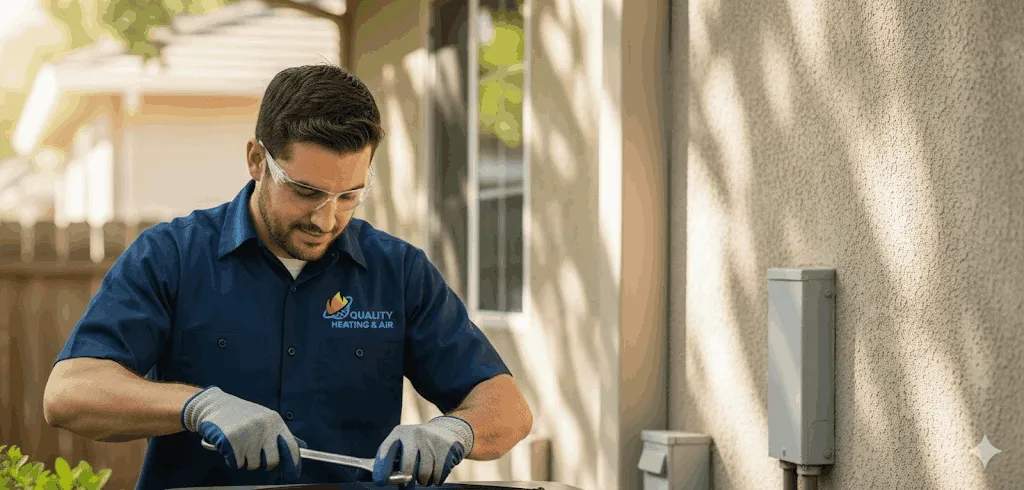
Boiler Repair in Denver, CO
A reliable boiler is essential for Denver homes, where cold, dry winters and wide temperature swings put extra stress on heating systems. If your boiler is short-cycling, failing to heat evenly, showing low pressure, or leaking, prompt, professional boiler repair protects comfort, energy bills, and safety.
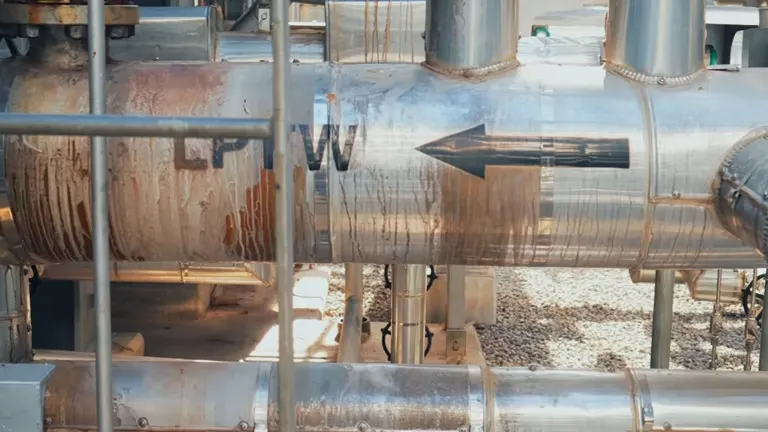
Why boiler repair matters in Denver, CO
Denver’s high elevation and cold season factors change how boilers operate:
- High altitude affects boiler combustion and water boiling points, requiring altitude-aware adjustments to gas pressure and combustion settings.
- Hard water and mineral buildup are common and accelerate corrosion, valve failure, and heat exchanger issues.
- Freeze risk during bitter nights and freeze-thaw cycles can expose aging piping and valves to cracks or leaks.
- Many older Denver and nearby metro-area homes have legacy boiler systems that need specialized diagnostic skills.
Because of these local influences, repairs must address both the immediate symptom and underlying causes to restore reliable performance.
Common boiler problems in Denver homes
Most repair calls fall into predictable categories. Knowing these helps homeowners understand the diagnostic process:
- Ignition and pilot failures - electronic ignition, intermittent pilot light, or failed flame sensors.
- Thermostat or control issues - inaccurate temperature reading, programming errors, or communication failures between thermostat and boiler.
- Circulation problems - noisy or cold radiators, air in the system, failing circulator pump, or stuck zone valves.
- Leak and pressure issues - persistent low or high system pressure, visible leaks at connections, or corroded piping.
- Fuel delivery and combustion faults - gas pressure irregularities, clogged burners, or improper venting that impacts efficiency and safety.
- Heat exchanger degradation - corrosion or cracking that can reduce output and pose safety risks.
Diagnostic procedures technicians use
A structured diagnostic approach isolates root causes quickly and safely:
- Visual and safety checks - look for leaks, corrosion, venting problems, and CO risk; verify safety devices like pressure relief valves are intact.
- Ignition and flame diagnostics - test transformers, igniters, flame sensors, and pilot assemblies for continuity and correct operation.
- Thermostat and control verification - confirm thermostat calibration, wiring integrity, and control board response to commands.
- Circulation assessment - inspect circulator pumps, motor bearings, zone valves, and system piping for blockages or airlocks; perform system purge if needed.
- Pressure and leak troubleshooting - pressure gauge checks, fill valve operation, and dye or pressure testing to find hidden leaks.
- Combustion and vent analysis - measure combustion efficiency and check venting for backdraft or blockages, especially relevant at Denver altitude.
Each diagnostic step is documented so repairs address symptoms and prevent recurrence.
Typical repairs and parts replacement
Repairs in Denver homes often include component replacement and system restoration:
- Ignition system repair - replacing ignitors, pilot assemblies, flame sensors, or ignition modules.
- Control and board replacement - swapping failed control boards, relays, or thermostats for reliable communication and safety resets.
- Circulator pump and valve work - replacing pumps, motor bearings, or zone valves; flushing and rebalancing hydronic circuits.
- Leak repair and piping replacement - repairing or replacing corroded fittings, expansion tanks, and sections of piping.
- Heat exchanger evaluation - repair or replacement when corrosion or cracks compromise efficiency or safety; replacement considered when repair is unsafe or not cost-effective.
- Safety component replacement - pressure relief valves, backflow preventers, and pressure sensors.
When parts are replaced, professionals weigh OEM versus compatible aftermarket options based on availability, longevity, and warranty implications.
Safety inspections and compliance
Safety is central to any boiler repair in Denver:
- Carbon monoxide risk assessment and ventilation checks are performed anytime combustion components are serviced.
- Pressure relief valve function and expansion tank condition are verified to prevent overpressure failures.
- Combustion air and flue integrity are inspected to meet local codes and ensure complete exhaust of combustion gases.
- Technicians document inspection findings and recommend actions to meet local building and safety codes.
A thorough inspection reduces risk and supports warranty claims when repairs are covered by manufacturer terms.
Estimated repair timelines and cost factors
Repair timelines depend on diagnosis and parts availability:
- Minor fixes such as sensor replacement or thermostat recalibration can often be completed within a few hours.
- Circulator pump swaps, leak repairs, or system flushing typically require a half day to a full day.
- Extensive work such as heat exchanger replacement, major piping, or control board ordering may extend to multiple days depending on part lead times.
Cost drivers include the age and model of the boiler, whether OEM parts are required, accessibility of the unit, and whether additional system components (pumps, tanks, valves) require replacement. Clear written estimates and documented findings help homeowners understand the scope before work begins.
Warranty and parts information
Understanding warranties helps protect your investment:
- Manufacturer warranties cover specific components for stated timeframes; retaining documentation and registering equipment preserves those rights.
- Labor warranties from service providers cover workmanship for a defined period; verify what is included before work proceeds.
- When aftermarket parts are used, warranty coverage can differ from OEM parts; technicians should explain tradeoffs in reliability and warranty terms.
Proper maintenance and following the manufacturer’s service schedule are often prerequisites to maintaining warranty coverage.
24/7 emergency response options
Boiler failures can pose safety hazards and urgent comfort issues during Denver winters. Emergency repair services focus on:
- Rapid diagnostics to restore temporary safe operation.
- Emergency boiler lockouts, leak containment, or temporary heating alternatives until permanent repairs are completed.
- Safety triage for suspected carbon monoxide or major leak conditions.
Emergency response prioritizes occupant safety and stabilization of the heating system.
Homeowner tips to prevent future breakdowns
Simple steps extend boiler life and reduce emergency repairs:
- Schedule annual professional tune-ups before the heating season to address combustion, controls, and circulation.
- Bleed radiators and purge air from the system to improve circulation and reduce pump strain.
- Monitor system pressure and address persistent pressure loss promptly.
- Install and maintain carbon monoxide detectors near sleeping areas and near boiler rooms.
- Keep the boiler area clear of clutter and ensure vents and combustion air inlets are unobstructed.
- Consider a water treatment or softener if hard water is causing recurring corrosion.
Regular attention transforms reactive repairs into predictable, manageable maintenance.
Promotions
Save on seasonal system checks from a local team that treats your home like our own.

Testimonials
Neighbors trust Quality Heating & Air for honest work and fair pricing.