
Boiler Repair in Westminster, CO
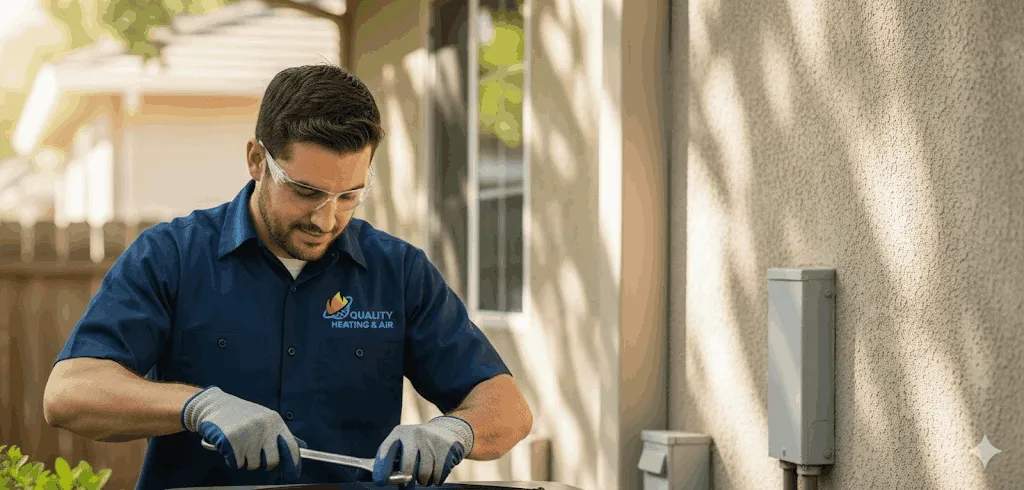
Boiler Repair in Westminster, CO
When your boiler fails in Westminster, CO, the result is more than inconvenience — it can be a safety issue and a serious comfort problem during cold Front Range winters. Professional boiler repair focuses on fast, accurate diagnostics, safe repairs, and restoring reliable heat.
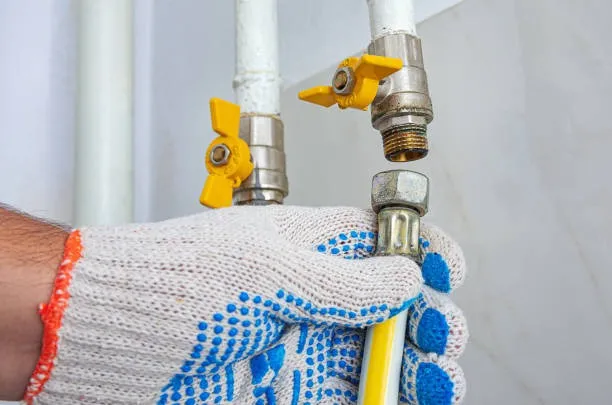
Why timely boiler repair matters in Westminster, CO
Westminster’s chilly winters and occasional deep freezes mean boilers run hard for months. Many local houses still use older cast-iron boilers or high-efficiency condensing units; both require specific upkeep. Higher elevation around the Denver metro can affect combustion tuning and venting performance, and local water quality can increase mineral buildup inside heat exchangers. Addressing issues early preserves efficiency, prevents emergency breakdowns, and reduces the risk of leaks or carbon monoxide exposure.
Common boiler problems in Westminster homes
- No heat or insufficient heat — Burners fail to ignite or circulate hot water properly. Can be caused by pumps, zone valves, or thermostat faults.
- Ignition failures and pilot problems — Electronic ignitors, flame sensors, or pilot lights that won’t stay lit. Altitude can make flame detection more sensitive.
- Leaks and corrosion — Pipe joints, radiators, heat exchangers, or pressure relief valves may leak, often from age or mineral corrosion.
- Pressure issues — Low or high system pressure, expansion tank failure, or faulty pressure-reducing valves.
- Strange noises — Kettling, banging, or gurgling indicate trapped air, scale buildup, or circulation problems.
- Short cycling or frequent lockouts — Safety controls or thermostat wiring problems causing repeated shutdowns.
Diagnostic inspection and troubleshooting — step by step
A structured inspection narrows down the cause quickly while protecting safety.
Initial safety sweep
- Verify power, gas supply, and that combustion air and vents are unobstructed.
- Perform a carbon monoxide check around the boiler and nearby living spaces.
- Confirm boiler is properly grounded and emergency shutoffs are accessible.
Visual and mechanical inspection
- Inspect for visible leaks, corrosion, and signs of past repairs.
- Check boiler jacket, gauges, expansion tank, relief valve, circulator pumps, and zone valves.
- Note age, model, and any previous service stickers.
Controls, ignition, and sensor testing
- Test thermostat operation and wiring.
- Run ignition sequence: verify ignitor, flame sensor, gas valve function, and combustion consistency.
- Use combustion analyzer when needed to ensure proper air/fuel ratios (important at higher elevations).
Hydronic system checks
- Measure system pressure and temperature; assess expansion tank condition.
- Bleed air from zones and check flow through radiators or baseboards.
- Inspect for blocked piping or closed valves that restrict circulation.
Leak and component testing
- Isolate sections to find pinhole leaks or failing components.
- Pressure test if necessary to confirm heat exchanger integrity (when appropriate and safe).
Document findings and recommend repairs
- Provide clear notes on failed components, safety concerns, and options for repair versus replacement (if boiler is aged or heat exchanger compromised).
Typical parts replacement and repair timelines
- Minor repairs (thermostat wiring, replacing sensors, bleed valves, minor pump adjustments): often completed the same day (1–4 hours).
- Component replacements (circulator pump, expansion tank, zone valve, pressure-reducing valve): usually same-day to next-day depending on parts availability (2–6 hours onsite).
- Ignition system repairs (ignitor, flame sensor, gas valve): commonly finished within a few hours if parts are stocked.
- Heat exchanger or major component replacement: may require ordering parts and scheduled downtime (1–3 days); full boiler replacement may take several days depending on system complexity and venting changes.
Timelines hinge on part availability, model specificity (older equipment may need special-order parts), and whether additional work (piping, permits, venting modifications) is required.
Safety checks and certification
Safety is the top priority for all boiler repairs:
- Carbon monoxide testing before and after repairs.
- Combustion analysis to confirm proper CO and CO2 levels and safe combustion especially at elevation.
- Pressure and leak tests, plus verification of correct operation for the pressure relief valve and expansion tank.
- Verification that electrical and gas connections meet code and are properly labeled.
- Documentation of service and safety checks; many homeowners receive a service tag or report certifying the unit passed required checks.
Licensed technicians will adhere to local code requirements and carry necessary certifications; ensure any contractor documents the safety checks performed.
Warranty and service guarantee considerations
- Manufacturer warranty: many components (burners, control boards, pumps) carry manufacturer warranties — check the unit’s documentation and service history.
- Service warranties: reputable repair services typically offer limited warranties on parts and labor for repairs they perform. Review what is covered (labor hours, parts vs. labor) and the duration before proceeding.
- Record keeping: keep a service log with dates, parts installed, and safety checks; this helps preserve warranty coverage and supports future resale value.
Preventive tips to reduce repeat failures in Westminster
- Schedule annual inspection and tune-up before the heating season: combustion tuning, safety checks, and system flushing reduce surprise failures.
- Flush system and treat water if mineral buildup is present: mineral scale shortens component life and reduces heat transfer efficiency.
- Maintain proper system pressure and check expansion tank annually to avoid pressure-related leaks.
- Bleed radiators and purge zones each fall to prevent trapped air and noise-causing circulation issues.
- Install carbon monoxide detectors on every level and test monthly; replace batteries annually.
- Consider upgrading to modern controls or a high-efficiency condensing boiler if your system is older and requiring frequent repairs — newer systems are more efficient and easier to service at altitude.
After a professional boiler repair in Westminster, you should receive a clear service report documenting diagnostics, parts replaced, safety checks performed (including carbon monoxide and combustion results), and any recommended follow-up. Well-executed repairs restore reliable heat, improve energy efficiency, and reduce the likelihood of emergency calls during peak winter months. Regular preventive maintenance tailored to Westminster’s climate will extend equipment life and maintain comfort through the long heating season.
Promotions
Save on seasonal system checks from a local team that treats your home like our own.

Testimonials
Neighbors trust Quality Heating & Air for honest work and fair pricing.