
Boiler Installation in Westminster, CO
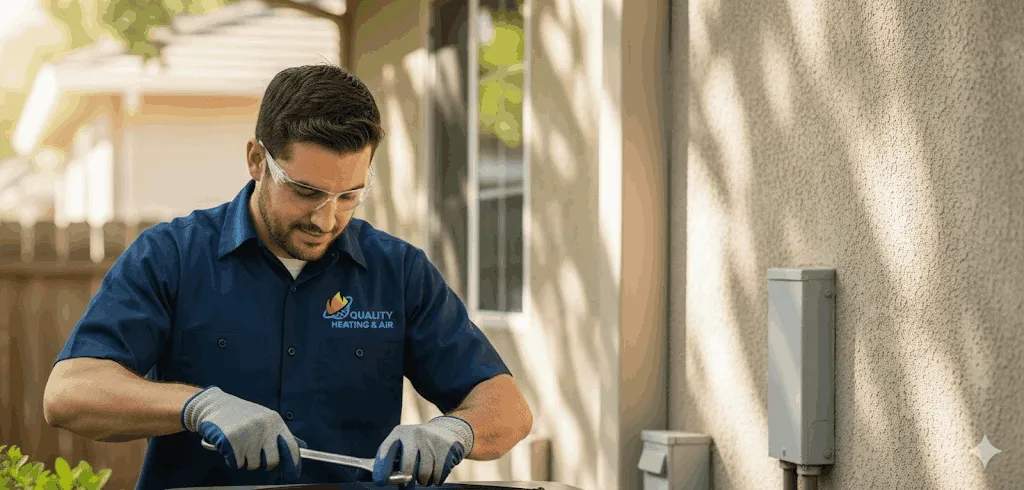
Boiler Installation in Westminster, CO
Choosing the right boiler and having it installed correctly is one of the most important investments you can make for year-round comfort in Westminster, CO. With cold Front Range winters, periods of rapid temperature change, and the impact of elevation on combustion, a properly sized, specified, and installed hydronic heating system keeps your home safe, quiet, and energy efficient.
Why a professional boiler installation matters in Westminster, CO
Westminster homes face extended heating seasons and occasional subfreezing temperatures. Many houses here also have older radiators, cast-iron systems, or mixed HVAC setups that require careful integration. Improper sizing, poor venting, or incorrect piping can lead to short cycling, high fuel bills, premature corrosion, unsafe combustion, and uneven heat. Professional installation ensures:
- Accurate heat-load sizing for your home layout and insulation levels
- Correct venting and combustion adjustments for local elevation
- Efficient equipment selection that matches lifestyle and fuel availability
- Safe, code-compliant workmanship and reliable long-term performance
Common boiler installation needs and issues in Westminster, CO
Homeowners commonly request new boiler installations for these reasons:
- Aging cast-iron boilers with rising repair frequency
- Desire to reduce natural gas or propane costs with high-efficiency units
- Converting from furnace or electric heating to hydronic systems
- Adding hydronic radiant floors or domestic hot water integration
- Replacing boilers with incompatible venting or unsafe combustion
Common problems discovered during evaluations:
- Undersized or oversized boilers causing short cycling
- Corrosion or flue leaks in older chimney venting systems
- Mineral scaling from hard water affecting heat exchangers
- Improperly sized gas piping or breaker protection
- No expansion tank or inadequate air removal in the loop
Initial consultation and heat-load calculation
The process begins with an on-site consultation. A qualified technician will:
- Inspect your home layout, insulation, window types, and existing heat emitters (radiators, baseboards, radiant floors).
- Perform a Manual J style heat-load calculation to determine precise heating demand in BTU/hr.
- Review fuel options (natural gas, propane, electric, or dual-fuel systems) and assess existing venting, chimney condition, and available space.
- Discuss performance preferences (modulating-condensing efficiency, on-demand domestic hot water, zoning, smart controls) and budget considerations.
A proper heat-load calculation ensures the boiler runs efficiently and maintains even comfort without excessive cycling.
Equipment selection — what to consider
Equipment choices should reflect Westminster’s climate and your home’s needs. Options include:
- High-efficiency condensing boilers: Best for maximum fuel savings when paired with low-temperature distribution systems.
- Non-condensing boilers: May be appropriate for existing venting or when system temperatures run high.
- Combi boilers: Provide both space heating and domestic hot water in a compact unit for smaller homes.
- Modulating and multi-stage burners: Improve comfort and efficiency by matching output to demand.
- Cast-iron replacement or stainless steel heat exchangers: Chosen based on water quality and longevity requirements.
Considerations unique to higher elevation: combustion and venting characteristics change with altitude, so the installer will specify models and combustion tuning appropriate for Westminster’s elevation.
Professional installation steps
A professional installation follows a defined sequence to ensure safety and longevity:
- Permit and code check: Secure required local permits and confirm code requirements for combustion air, venting, and gas connections.
- Removal and disposal: Safely disconnect and remove the old boiler, reclaim refrigerants if present, and recycle materials per local regulations.
- Piping and system integration: Install supply and return piping, expansion tank, pressure relief valves, and zone control manifolds. Proper piping layout and flow balancing prevent short-cycling and air lock.
- Venting and combustion setup: Install or adapt flue piping, ensure proper clearances, and tune combustion controls for altitude. For condensing units, install corrosion-resistant vent and condensate drains.
- Controls and zoning: Integrate smart thermostats, outdoor-reset controls, or zone valves to optimize comfort and efficiency.
- Electrical and gas connection: Verify correct gas line sizing, electrical supply, and grounding per code.
Safety and performance testing
After physical installation, comprehensive testing confirms safe operation:
- Pressure test and leak check of the hydronic loop
- System purge to remove air and verify flow through all zones
- Combustion analysis and CO checks to confirm safe burner operation
- Boiler efficiency and temperature verification; for condensing systems, verify return temperatures to realize condensation advantage
- Safety device checks: pressure relief valve, low-water cutoff, and expansion tank functionality
- Final inspection and documentation for permits
These checks protect your home and ensure the system performs as designed from day one.
Typical project timelines
While timelines vary by job complexity, a standard residential boiler replacement in Westminster typically follows this cadence:
- Consultation and estimate: 1 to 3 business days
- Permitting and parts ordering: 3 to 10 business days (can be longer for specialized equipment)
- Installation and testing: 1 to 3 days for most full replacements
- Final inspection and commissioning: same day as installation or within a few days
More complex projects (radiant floor integration, boiler room retrofits, or major venting upgrades) may extend the schedule.
Disposal, warranty coverage, and documentation
Old equipment is removed and disposed of responsibly, with recycling where possible. Expect to receive:
- Manufacturer warranty information covering the boiler and major components
- Labor warranty documentation for installation workmanship
- Operation and maintenance instructions for your new system
- Permit and inspection records for property files
Warranty terms vary by manufacturer and component; verify coverage for heat exchangers, controls, and labor.
Post-installation support and maintenance recommendations
To protect your investment and maintain peak efficiency in Westminster’s variable climate:
- Schedule annual service: seasonal tune-ups keep combustion, controls, and water chemistry in check.
- Flush and treat system water: reduce corrosion and scale in areas with hard water.
- Check expansion tank pressure and purge air from loops periodically.
- Monitor condensate drains on condensing boilers for clogs during freezing weather.
- Keep clearances and combustion air pathways unobstructed, especially during heavy snow.
Regular maintenance extends equipment life, preserves warranties, and sustains efficiency through Colorado winters and transitional seasons.
A professionally installed boiler delivers reliable warmth, quieter operation, improved fuel efficiency, and better indoor comfort control. For Westminster, CO homes, correct sizing, altitude-aware combustion tuning, and system balancing are essential to avoid common regional pitfalls and to maximize the life and performance of your heating system. With careful selection, precise installation, and routine maintenance, a modern hydronic system becomes a dependable, efficient heart of your home heating.
Promotions
Save on seasonal system checks from a local team that treats your home like our own.

Testimonials
Neighbors trust Quality Heating & Air for honest work and fair pricing.