
Boiler Repair in Lafayette, CO
Boiler Repair in Lafayette, CO
A reliable boiler is essential for Lafayette homes during long Colorado winters. When a boiler fails or underperforms, families face cold floors, uneven heat, and higher energy bills.
Why timely boiler repair matters in Lafayette
Lafayette’s climate—cold winters, occasional heavy snow, and freeze-thaw cycles at roughly 5,000 feet elevation—places extra strain on hydronic systems. Older homes in the area often have aging boilers or original piping that are more prone to leaks, corrosion, and sediment buildup. Addressing small issues quickly prevents freeze-related damage, improves efficiency, and reduces the chance of costly emergency replacements during peak cold spells.
Common boiler problems in Lafayette homes
- No heat or intermittent heat: Often caused by failed thermostats, stuck valves, circulator pump problems, or ignition issues on gas-fired boilers.
- Leaking boiler or piping: Corrosion, failed seals, pressure problems, or expansion tank failure produce visible leaks and pressure loss.
- Low water pressure or frequent pressure loss: Leaks, faulty auto-fill valves, or air trapped in the system.
- Strange noises: Kettling from scale buildup, air in the lines, or failing pumps cause banging, clanking, or gurgling.
- Pilot light or ignition failures: Ignition modules, thermocouples, or gas supply interruptions can prevent the system from firing.
- Uneven heat across zones: Valve failures, pump problems, or airlocks in piping.
- Yellow or sooty flame/venting concerns: Indicate combustion or venting problems that require immediate attention for safety reasons.
- Poor efficiency and high fuel use: Scale, soot buildup, aging heat exchangers, or inadequate maintenance.
Diagnostic process and emergency response procedures
A thorough diagnosis follows a structured approach so repairs are precise and safe:
- Visual inspection and homeowner interview to understand symptoms and recent events (cold snaps, power outages, unusual sounds).
- System checks: boiler pressure, expansion tank condition, circulator pump operation, thermostat function, and zone valve status.
- Combustion and venting evaluation for gas or oil boilers to ensure safe combustion and clear exhaust paths.
- Leak detection and water quality assessment to identify corrosion or sediment problems.
- Electrical and control diagnostics for relays, transformers, and ignition controls.
Emergency response actions homeowners should expect from a qualified technician include safe shutdown of the boiler if combustion or leak hazards exist, securing the gas supply if needed, temporary isolation of affected zones, and advice on temporary heating and occupancy while repairs are underway.
Parts replacement and common component repairs
Typical repairs and replacements performed on site:
- Circulator pump replacement or rebuild to restore flow and eliminate noise.
- Zone valve and actuator repair to re-establish balanced heating across rooms.
- Ignition system and control module replacement to fix intermittent or failed starting.
- Heat exchanger repair or assessment when signs of internal leaking or severe corrosion appear.
- Expansion tank replacement to stabilize pressure and prevent frequent relief valve trips.
- Pressure relief valve and fill valve service for safe pressure control.
- Combustion tune-ups and vent cleanings to restore efficiency and safe venting.
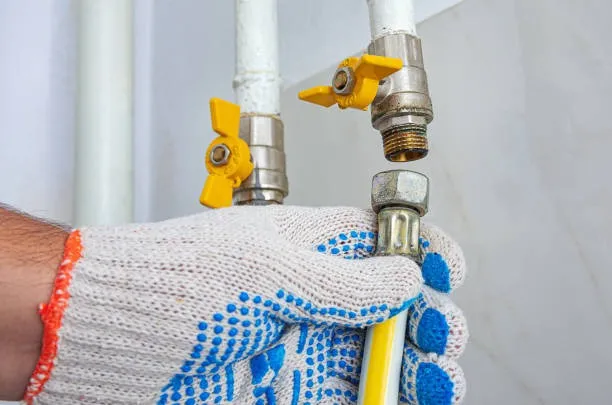
- Pipe and fitting repairs for leaks, including soldering or mechanical couplings and insulation replacement where freeze protection is needed.
Technicians will recommend OEM or manufacturer-equivalent parts to maintain performance and warranty coverage where possible.
Expected repair timelines
Timelines vary with the extent of the problem and parts availability:
- Simple repairs and adjustments (thermostat recalibration, bleed air from radiators, minor valves): often completed same day or within 24 hours.
- Component replacements (pumps, valves, controls): commonly 1 to 3 business days depending on parts.
- Major repairs (heat exchanger replacement, significant piping work, or multi-zone control replacement): can take several days to a week, especially if custom parts or permits are involved.
- Emergency situations requiring full isolation or combustion repairs may involve immediate temporary measures followed by scheduled corrective work.
Technicians will typically provide an initial diagnostic window and an estimated timeline for repair once the failed components are identified.
Cost considerations and estimate expectations
While repair cost varies, expect estimates to be itemized and based on several drivers: the age and model of the boiler, accessibility of the failed component, parts availability, labor for specialty tasks (welding, gas line work), and any required permits or safety upgrades. A professional estimate should list labor, parts, and any suggested safety-related replacements so homeowners can compare options and understand tradeoffs between repair and replacement.
Warranty, safety checks, and post-repair testing
- Warranty information: Repaired parts often retain manufacturer warranties; labor warranties for repair work typically range from short-term to several months depending on the provider. Ask for documentation specifying what is covered and the duration.
- Safety checks: After repairs, expect a full safety inspection: combustion efficiency test, CO level checks, vent integrity, gas line leak test, pressure/relief valve operation, and electrical safety verification. These checks protect occupants and verify code compliance.
- Post-repair testing: Technicians will run the system through a complete cycle under load, verify temperature and pressure stability, confirm zone balancing, and demonstrate correct thermostat operation. A repair report or checklist should be provided documenting results and recommendations.
Preventive maintenance and local considerations
In Lafayette, seasonal maintenance is especially valuable: pre-winter tune-ups to clean burners, flush sediment, check water chemistry, inspect vents for snow blockage, and winterize exposed pipes reduce emergency callouts. Hard water and mineral deposits can accelerate kettling and heat exchanger wear, so periodic flushes and water treatment are worth discussing. For homes with older radiators or mixed piping, balancing and air bleeding are common maintenance items that improve comfort and efficiency.
A professional boiler repair in Lafayette, CO addresses immediate failures while also focusing on long-term safety and efficiency—especially important in Colorado’s variable winter conditions. Understanding common faults, the diagnostic process, likely timelines, and expected warranty coverage helps you make informed decisions when a boiler needs service. Proper repairs and timely maintenance extend system life, enhance comfort, and reduce the risk of emergency breakdowns during the coldest months.
Promotions
Save on seasonal system checks from a local team that treats your home like our own.

Testimonials
Neighbors trust Quality Heating & Air for honest work and fair pricing.