
Boiler Installation in Lafayette, CO
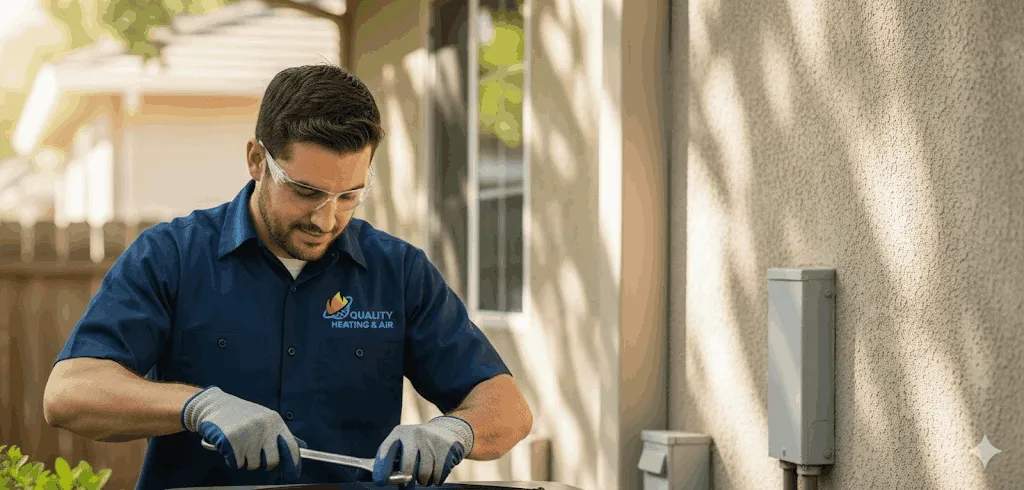
Boiler Installation in Lafayette, CO
Replacing or installing a boiler is one of the most impactful upgrades you can make for comfort, safety, and energy savings in a Lafayette home. Winters in Lafayette and Boulder County bring cold temperatures, snow, and frequent freeze-thaw cycles that make reliable hydronic heating essential.
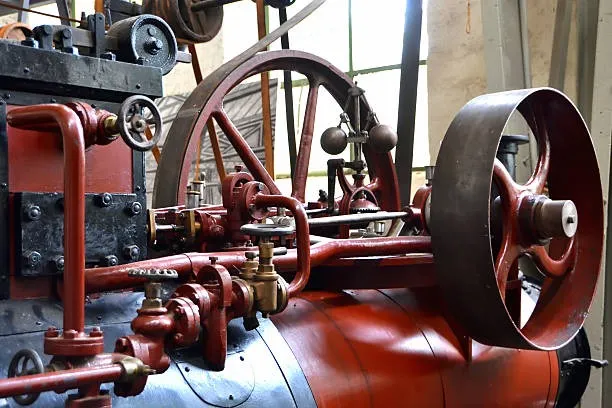
Why professional boiler installation matters in Lafayette, CO
A properly sized and installed boiler delivers even heat, lower fuel use, and fewer emergency repairs. Lafayette’s higher elevation and variable winter weather affect boiler performance and combustion; installers must account for factors such as outdoor design temperature, elevation-related combustion adjustments, and common home characteristics in the area (older homes with radiator loops or newer homes with in-floor heating). Poorly performed installations lead to uneven heating, short cycling, higher bills, and safety risks like carbon monoxide exposure.
Common boiler types and common installation concerns in Lafayette, CO
- Condensing gas boilers - high efficiency, best for modern systems but require proper condensate drainage and corrosion-resistant venting.
- Non-condensing gas boilers - simpler venting but lower efficiency; may be used in retrofit scenarios.
- Electric boilers - useful where gas is unavailable, simpler venting requirements but higher operating costs.
- Combi boilers - combine space heating and domestic hot water; space-saving but need correct sizing for peak hot water demand.
Common installation issues in Lafayette homes:
- Incorrect sizing based on outdated rules of thumb rather than true load calculations.
- Inadequate venting or improper material selection for high-altitude combustion.
- Poor piping layout causing air locks, imbalance, or overheating in parts of the home.
- Lack of permit acquisition and incomplete inspections that create code compliance risk.
- Neglecting freeze protection in outdoor piping and condensate lines.
Boiler installation process - step by step
Initial consultation and home assessment
- We begin with a detailed on-site consultation to review your current system, heating goals, fuel type, and home layout. We note boiler room access, existing venting, and distribution system type (radiators, baseboards, in-floor hydronic).
Heat load calculations
- Accurate Manual J style load calculations estimate required BTU output using Lafayette-specific design temperatures and building details. Proper sizing prevents short cycling and improves efficiency.
Product selection and options review
- We compare condensing versus non-condensing models, combustion efficiency ratings (AFUE), modulation capabilities, and compatibility with your distribution system. Combustion adjustments for elevation and local fuel pressure are part of the selection process.
Venting, flue, and condensate planning
- Venting materials and routing must meet code and manufacturer specifications. For condensing boilers, condensate drainage and resistant materials are required. We plan vent termination locations to avoid exhaust recirculation or heat-sensitive surfaces.
Piping and controls design
- Proper pipe sizing, zone valves vs. circulator pumps, air elimination, and system balancing are designed to deliver even heat. Controls such as outdoor reset, smart thermostats, and zoning improve comfort and efficiency.
Permits and local code review
- We obtain required permits and coordinate inspections with the City of Lafayette and Boulder County building departments. Installations comply with Colorado plumbing, mechanical, and fuel gas codes as applicable.
Professional installation and safety checks
- The old system is carefully removed, clearances maintained, and the new boiler set and secured. Combustion air, vent connections, gas pressure checks, piping, and electrical connections are completed by certified technicians. We install carbon monoxide detection if not already present.
Commissioning and testing
- We purge and fill the system, remove air, bleed zones, verify pump operation, and run the boiler through multiple cycles. Combustion analysis, temperature checks, and safety control verification ensure the system performs to spec.
Documentation and warranty handover
- You receive equipment manuals, wiring diagrams, warranty information, and a record of the commissioning tests. Manufacturer warranty registrations and any labor warranty details are included.
Post-installation support and recommended maintenance
- Ongoing annual maintenance keeps efficiency high and protects warranties. We outline a maintenance schedule including annual combustion and pressure checks, filter or strainer cleaning, and system water quality monitoring.
Compliance, permits, and safety considerations in Lafayette
Lafayette and Boulder County enforce building and mechanical codes that govern boiler installations, venting, and combustion air. Proper permits and inspections protect homeowners and ensure safe operation. At higher elevations, combustion adjustments and manufacturer recommendations must be followed to maintain safe and efficient operation. Installers should document permit sign-offs and final inspection approvals in the project records.
Warranty coverage and service expectations
New boilers include manufacturer warranties on heat exchangers, parts, and sometimes extended coverage when installed and registered per their requirements. A professional installation also often includes a workmanship guarantee for a defined period. Keep all warranty paperwork and proof of annual maintenance to preserve coverage.
Maintenance tips specific to Lafayette homes
- Schedule annual pre-winter maintenance including combustion efficiency test, pressure and expansion checks, and system flush if needed.
- Check condensate lines for freezing risk during cold snaps and insulate or protect exposed lines.
- Monitor system water quality for corrosion or mineral buildup, particularly in older radiators or closed-loop systems.
- Ensure carbon monoxide detectors are installed near sleeping areas and the boiler room and test them regularly.
Benefits of a correctly installed boiler in Lafayette
- Better comfort with consistent heat distribution during long winters.
- Lower energy use and utility costs with high-efficiency equipment and correct controls.
- Reduced repair visits and longer equipment life when installation and maintenance are done properly.
- Increased safety and code compliance that protects your family and property.
A professionally planned and executed boiler installation in Lafayette, CO addresses local climate, elevation, and building characteristics to deliver safe, efficient, and reliable heat for your home. Proper sizing, venting, piping, permitting, and commissioning are the foundation of long-term performance and peace of mind.
Promotions
Save on seasonal system checks from a local team that treats your home like our own.

Testimonials
Neighbors trust Quality Heating & Air for honest work and fair pricing.