How to Maintain Your Heating and Cooling System Without Breaking a Sweat
## Why HVAC Maintenance Tips for Homeowners Matter More Than You Think
The best hvac maintenance tips for homeowners come down to a handful of simple, consistent habits that protect your system, lower your energy bills, and keep your home comfortable all year long. Here's a quick look at the most important ones:
1. Change your air filter every 30-90 days depending on pets and allergies 2. Clear debris from your outdoor unit and keep plants at least 2 feet away 3. Flush your condensate drain line every 3 months with a bleach-water mix 4. Clean your vents and registers monthly with a vacuum or brush 5. Check your thermostat settings and consider upgrading to a smart thermostat 6. Inspect visible ductwork for leaks or gaps and seal them with mastic tape 7. Test your carbon monoxide detector monthly and replace batteries once a year 8. Schedule a professional tune-up at least once a year - in spring for your AC and fall for your furnace
Most homeowners don't think about their HVAC system until something goes wrong - and that usually happens at the worst possible moment. According to a Hippo survey, 42% of homeowners have dealt with HVAC problems during a heat wave, yet only 32% do any basic cleaning or maintenance at all. In Colorado, where summers push your AC hard and winters demand a reliable furnace, that gap between what needs to happen and what actually does can cost you - in comfort, in energy bills, and in unexpected repair calls.
The good news? Most of what keeps an HVAC system running well is straightforward. You don't need special skills or a lot of time. You just need to know what to do and when to do it.
Essential HVAC Maintenance Tips for Homeowners: The DIY Checklist
Taking care of your heating and cooling system doesn't have to be a daunting chore. By tackling a few small tasks yourself, you can prevent major headaches later. Think of these as the "oil changes" for your home—simple, effective, and absolutely necessary for a long life.
Master the Air Filter
The single most important thing you can do is change your air filter. It sounds simple because it is, yet it’s the most neglected task in American homes. Only about 47% of homeowners have had their systems serviced in the last year, and many forget the filter entirely.
When your filter is clogged with dust, pet hair, and Colorado pollen, your system has to work twice as hard to pull air through. This doesn't just raise your energy bill; it can actually cause your evaporator coil to freeze or your furnace to overheat. We recommend using high-efficiency pleated filters, often known as MERV 11 or 12. These are excellent at capturing bacteria, viruses, and allergens.
How often should you swap them?
- No pets: Every 90 days. - With pets: Every 60 days. - Allergies or multiple pets: Every 30-45 days.
For more details on how this keeps your cooling crisp, check out our guide on AC Maintenance and Service.
Give Your Outdoor Unit Some Breathing Room
Your outdoor condenser unit needs airflow to dump the heat it pulls from your house. If it’s buried under dead leaves, grass clippings, or overgrown shrubs, it’s going to struggle. Follow the 2-foot rule: keep all vegetation, fences, and storage at least 24 inches away from the unit on all sides. This prevents debris from clogging the delicate fins. If the fins are bent or dirty, the system can't exchange heat efficiently. You can gently wash the exterior with a garden hose (avoid high-pressure power washers!) to keep it clean.
Clear the Airways
Inside your home, take a walk through every room. Are there rugs covering floor vents? Is a sofa pushed right up against a return air register? Obstructing these vents puts immense pressure on your system. Once a month, use a vacuum with a brush attachment to clear away dust from the grates. This ensures the air you’re paying to heat or cool can actually circulate.
Prevent Water Damage
Your air conditioner doesn't just cool the air; it removes humidity. That moisture turns into water that flows out through a condensate drain line. Over time, algae and mold can grow in that line, leading to a clog. A clogged line can cause water to back up into your home, damaging floors or even shutting down your system entirely. To prevent this, flush the drain line every three months with a simple mixture of one cup of bleach and some warm water.
While you're thinking about water systems, don't forget your other major appliances. Our Water Heater Maintenance Guide can help you keep the hot water flowing just as reliably as the air.
Seasonal Preparations for Year-Round Comfort
In Thornton and Northglenn, we experience the full range of seasons. Our HVAC systems never really get a "vacation," which is why seasonal prep is so vital.
Spring: Getting Ready for the Heat
Before the first heat wave of 2026 hits, you want to make sure your AC is ready to roar. Beyond cleaning the outdoor unit, you should test the system on a mild day. Turn it on and listen for any grinding or squealing sounds. If you're curious about what a pro looks for during this time, read about our Spring AC Tune-Up: What to Expect.
Fall: Winterizing Your Warmth
When the leaves start to turn, it's time to pivot to your furnace or boiler. This is the time to ensure your heating system is safe. A dirty burner or a cracked heat exchanger isn't just inefficient—it’s a safety hazard. We’ve put together a comprehensive Furnace Maintenance Guide to help you navigate these colder months.
The Power of the Thermostat
Your thermostat is the "brain" of your HVAC system. If it’s old or poorly calibrated, it might be telling your system to run when it doesn't need to. We highly recommend upgrading to a smart thermostat. These devices can save you a significant amount on utility bills by learning your schedule and providing energy reports. If you're staying with a programmable model, make sure to check the batteries annually so you aren't left in the cold by a dead screen.
Storm Readiness and Extreme Weather
Colorado weather can be unpredictable. High winds can blow debris into your outdoor unit, and heavy snow can block furnace exhaust vents. After a major storm, always do a quick walk-around. Clear away any branches or deep snow drifts from around your units. If your area experiences a power surge during a storm, it can damage the sensitive electrical components of your HVAC. Having a professional check the electrical connections post-storm is a smart move.
HVAC Maintenance Tips for Homeowners to Boost Air Quality
Maintenance isn't just about temperature; it's about the air you breathe. A well-maintained system acts as a whole-home air purifier. By using those high-efficiency filters we mentioned earlier, you can significantly reduce dust, pollen, and pet dander in your living space.
Another pro tip: check your water heater settings. Setting your water heater to 120 degrees is the "sweet spot"—it’s hot enough to prevent bacteria growth but low enough to save energy and prevent scalding. Proper humidity balance is also key; if your air is too dry in the winter (a common Colorado problem), it can irritate your respiratory system.
Professional HVAC Maintenance Tips for Homeowners: Annual Tune-Ups
While DIY tasks are essential, there are things only a pro should handle. During an annual tune-up, a technician will:
- Check refrigerant levels (too much or too little kills efficiency). - Tighten all electrical connections (loose wires are a fire hazard). - Lubricate moving parts to reduce friction and energy use. - Test safety controls and the starting cycle.
Whether you have a furnace in Wheat Ridge or a boiler in Thornton, professional eyes catch the small things before they become big bills. You can find more specific advice in our Furnace Maintenance Wheat Ridge Guide and our Boiler Maintenance Thornton Tips.
Maximizing Efficiency and Reducing Utility Bills
Did you know that regular maintenance can improve your HVAC's efficiency by up to 15%? When utility costs seem to only go up, that’s money back in your pocket.
One of the biggest energy thieves is leaky ductwork. According to Energy Star, the average home loses up to 30% of its conditioned air through leaks and holes in the ducts. This means your system is cooling your attic or crawlspace instead of your bedroom. You can use mastic tape or foil tape (never use standard "duct" tape, as it dries out and fails!) to seal any exposed ductwork you can reach.
| Maintenance Task | DIY or Professional? | Frequency | Impact on Efficiency | | --- | --- | --- | --- | | Filter Replacement | DIY | Monthly/Quarterly | 5-15% Improvement | | Cleaning Vents | DIY | Monthly | Improved Airflow | | Sealing Duct Leaks | DIY/Pro | Once | Up to 20% Improvement | | Refrigerant Check | Professional | Annually | Peak Performance | | Coil Cleaning | Professional | Annually | Reduced Strain |
Beyond the HVAC unit itself, your home's "envelope" matters. Adding weather stripping to doors and caulking gaps around windows keeps the air you’ve paid to heat or cool inside. For those looking for the Best Furnace Maintenance Tips Willow Park, focusing on these small efficiency gains is the best place to start.
Recognizing Warning Signs and Safety Hazards
Your HVAC system will usually try to tell you it's struggling before it quits entirely. Being a proactive homeowner means listening to those signals.
1. Strange Noises: Banging, screeching, or rattling are never good signs. Banging might mean a loose part, while screeching often points to a failing belt or motor bearing.
2. Frequent Cycling:If your system turns on and off every few minutes, it's "short-cycling." This is incredibly hard on the equipment and is often caused by a clogged filter or a malfunctioning thermostat.
3. The "Smell" Test:An electrical burning smell is an immediate red flag—shut the system off and call us right away. If you smell rotten eggs, that’s a sign of a natural gas leak. Vacate the house immediately and call for help.
4. The Flame Color:If you have a gas furnace, take a peek at the burner flame. It should be a crisp, steady blue. If it’s yellow, orange, or flickering, it means the gas isn't burning cleanly, which could be producing dangerous carbon monoxide.
5. Carbon Monoxide Detectors:Because carbon monoxide is odorless and colorless, you must have working detectors on every level of your home. Test them monthly. It’s a small step that saves lives. If you're looking for a reliable Furnace Tune-Up Company Brighton Guide, ensure they prioritize these safety checks.
Frequently Asked Questions about HVAC Upkeep
How long do HVAC systems typically last with proper maintenance?
With regular care, most HVAC systems last between 15 and 25 years. Specifically, furnaces usually last 15-20 years, while air conditioning units typically have a lifespan of 10-15 years. Heat pumps usually land right in the middle at about 16 years. Neglecting maintenance can cut these numbers in half.
What tools do I need for basic home HVAC maintenance?
You don't need a van full of tools! Most DIY tasks can be done with:
- A garden hose for cleaning the outdoor unit. - A vacuum with a brush attachment for vents. - A screwdriver for opening filter cabinets. - Mastic or foil tape for sealing ducts. - Bleach for the drain line. - A supply of replacement filters.
How often should I perform maintenance tasks?
We recommend a "staggered" approach:
- Monthly: Check air filters and clean vents. - Quarterly: Flush the condensate drain line and test CO detectors. - Bi-Annually: Perform seasonal "test runs" and clear debris from the outdoor unit. - Annually: Schedule a professional tune-up (Spring for AC, Fall for Heat).
Conclusion
At Quality Heating and Air, we believe that a little bit of prevention goes a long way. We are proud of our Thornton roots and our commitment to treating every home like our own. Our goal isn't just to fix things when they break; it's to help you build a home that is efficient, safe, and comfortable for the long haul.
By following these hvac maintenance tips for homeowners, you’re doing more than just saving money—you’re protecting your biggest investment. Whether it’s a simple filter change or a comprehensive seasonal inspection, every step counts.
Ready to take the guesswork out of your home comfort? Consider joining our Maintenance Plan. We’ll handle the heavy lifting and technical checks, so you can get back to enjoying your home without breaking a sweat. From Northglenn to Thornton and beyond, we’re here to keep your air quality high and your energy bills low.

Testimonials
Neighbors trust Quality Heating & Air for honest work and fair pricing.
Really happy with my overall experience. They worked neatly, quickly, and taught me MUCH along the way. Gave great advice, helped me with a side concern, that was holding me up; and finished in time for my Dentist visit. I would highly recommend this business, and the price was a pure blessing. GREAT local company and I wasn't bribed for my review 🙃 thx guys!
Bonnie B.
Fred was very knowledgeable, he repaired an old rusted iron pipe that was part of the original house build. I thought the repair would be more costly than what Fred qouted me including parts and labor. Fred made the repair after 5pm, after getting the necessary parts and he was very clean because he put down a cloth on the bathroom floor while working. I would highly recommend Fred for service in the future and I will use Quality's services again in the future.
Chris S.
Fred did a wonderful job diagnosing our air conditioning issue, presenting options available, and installing the new unit we needed. In addition to being a truly nice person, Fred was very knowledgable and professional, and we highly recommend him. Thank you Fred!
James D.
Fred was great and explained our issues we had and fixes we needed in an easy to understand way. Will ask for him next time.
Justin F.
Great service, Fred was able to show up the same day we had a problem and get everything fixed. Very knowledgeable and did not pressure us to spend money we didn’t need to spend. I would recommend to a friend without question.
Kyle F.
Fred Gottschalk performed a miracle with the furnace. He is by far the most knowledgeable HVAC professional I know to date. He knew everything about my furnace and replaced an old blower. The blower is far superior over the OEM one. I did the right thing choosing Fred!
Marty P.
I had an amazing experience with Fred Gottschalk! From the moment he came in to the moment he left he was very personable and made me feel good about my decision to call this company for assistance. I love the fact that they prioritize a personal touch making sure whoever comes to your door will remain your tech every time you call in. One thing he told me that gained my trust is that he will take care of my furnace the way he would want someone to take care of his granny’s. Thank you Quality heating and air, and thank you Fred!
Monica G.
Our technician Fred was excellent. Arrived on time, communicated well and was very knowledgable. Highly recommend and will continue to use these guys.
Nancy S.
Fred was great! He was friendly and informative, answered all of our questions and even got along with our cat (also named Fred). Would highly recommend!
Sadie P.
Highly recommend. Easy scheduling process and our technician Fred was on time, very professional, and knowledgeable on all things in the mechanical world. Took time to educate us and fix the issues we had.
Scott F.
Really happy with my overall experience. They worked neatly, quickly, and taught me MUCH along the way. Gave great advice, helped me with a side concern, that was holding me up; and finished in time for my Dentist visit. I would highly recommend this business, and the price was a pure blessing. GREAT local company and I wasn't bribed for my review 🙃 thx guys!
Bonnie B.
Fred was very knowledgeable, he repaired an old rusted iron pipe that was part of the original house build. I thought the repair would be more costly than what Fred qouted me including parts and labor. Fred made the repair after 5pm, after getting the necessary parts and he was very clean because he put down a cloth on the bathroom floor while working. I would highly recommend Fred for service in the future and I will use Quality's services again in the future.
Chris S.
Fred did a wonderful job diagnosing our air conditioning issue, presenting options available, and installing the new unit we needed. In addition to being a truly nice person, Fred was very knowledgable and professional, and we highly recommend him. Thank you Fred!
James D.
Fred was great and explained our issues we had and fixes we needed in an easy to understand way. Will ask for him next time.
Justin F.
Great service, Fred was able to show up the same day we had a problem and get everything fixed. Very knowledgeable and did not pressure us to spend money we didn’t need to spend. I would recommend to a friend without question.
Kyle F.
Fred Gottschalk performed a miracle with the furnace. He is by far the most knowledgeable HVAC professional I know to date. He knew everything about my furnace and replaced an old blower. The blower is far superior over the OEM one. I did the right thing choosing Fred!
Marty P.
I had an amazing experience with Fred Gottschalk! From the moment he came in to the moment he left he was very personable and made me feel good about my decision to call this company for assistance. I love the fact that they prioritize a personal touch making sure whoever comes to your door will remain your tech every time you call in. One thing he told me that gained my trust is that he will take care of my furnace the way he would want someone to take care of his granny’s. Thank you Quality heating and air, and thank you Fred!
Monica G.
Our technician Fred was excellent. Arrived on time, communicated well and was very knowledgable. Highly recommend and will continue to use these guys.
Nancy S.
Fred was great! He was friendly and informative, answered all of our questions and even got along with our cat (also named Fred). Would highly recommend!
Sadie P.
Highly recommend. Easy scheduling process and our technician Fred was on time, very professional, and knowledgeable on all things in the mechanical world. Took time to educate us and fix the issues we had.
Scott F.
Really happy with my overall experience. They worked neatly, quickly, and taught me MUCH along the way. Gave great advice, helped me with a side concern, that was holding me up; and finished in time for my Dentist visit. I would highly recommend this business, and the price was a pure blessing. GREAT local company and I wasn't bribed for my review 🙃 thx guys!
Bonnie B.
Fred was very knowledgeable, he repaired an old rusted iron pipe that was part of the original house build. I thought the repair would be more costly than what Fred qouted me including parts and labor. Fred made the repair after 5pm, after getting the necessary parts and he was very clean because he put down a cloth on the bathroom floor while working. I would highly recommend Fred for service in the future and I will use Quality's services again in the future.
Chris S.
Fred did a wonderful job diagnosing our air conditioning issue, presenting options available, and installing the new unit we needed. In addition to being a truly nice person, Fred was very knowledgable and professional, and we highly recommend him. Thank you Fred!
James D.
Fred was great and explained our issues we had and fixes we needed in an easy to understand way. Will ask for him next time.
Justin F.
Great service, Fred was able to show up the same day we had a problem and get everything fixed. Very knowledgeable and did not pressure us to spend money we didn’t need to spend. I would recommend to a friend without question.
Kyle F.
Fred Gottschalk performed a miracle with the furnace. He is by far the most knowledgeable HVAC professional I know to date. He knew everything about my furnace and replaced an old blower. The blower is far superior over the OEM one. I did the right thing choosing Fred!
Marty P.
I had an amazing experience with Fred Gottschalk! From the moment he came in to the moment he left he was very personable and made me feel good about my decision to call this company for assistance. I love the fact that they prioritize a personal touch making sure whoever comes to your door will remain your tech every time you call in. One thing he told me that gained my trust is that he will take care of my furnace the way he would want someone to take care of his granny’s. Thank you Quality heating and air, and thank you Fred!
Monica G.
Our technician Fred was excellent. Arrived on time, communicated well and was very knowledgable. Highly recommend and will continue to use these guys.
Nancy S.
Fred was great! He was friendly and informative, answered all of our questions and even got along with our cat (also named Fred). Would highly recommend!
Sadie P.
Highly recommend. Easy scheduling process and our technician Fred was on time, very professional, and knowledgeable on all things in the mechanical world. Took time to educate us and fix the issues we had.
Scott F.
Really happy with my overall experience. They worked neatly, quickly, and taught me MUCH along the way. Gave great advice, helped me with a side concern, that was holding me up; and finished in time for my Dentist visit. I would highly recommend this business, and the price was a pure blessing. GREAT local company and I wasn't bribed for my review 🙃 thx guys!
Bonnie B.
Fred was very knowledgeable, he repaired an old rusted iron pipe that was part of the original house build. I thought the repair would be more costly than what Fred qouted me including parts and labor. Fred made the repair after 5pm, after getting the necessary parts and he was very clean because he put down a cloth on the bathroom floor while working. I would highly recommend Fred for service in the future and I will use Quality's services again in the future.
Chris S.
Fred did a wonderful job diagnosing our air conditioning issue, presenting options available, and installing the new unit we needed. In addition to being a truly nice person, Fred was very knowledgable and professional, and we highly recommend him. Thank you Fred!
James D.
Fred was great and explained our issues we had and fixes we needed in an easy to understand way. Will ask for him next time.
Justin F.
Great service, Fred was able to show up the same day we had a problem and get everything fixed. Very knowledgeable and did not pressure us to spend money we didn’t need to spend. I would recommend to a friend without question.
Kyle F.
Fred Gottschalk performed a miracle with the furnace. He is by far the most knowledgeable HVAC professional I know to date. He knew everything about my furnace and replaced an old blower. The blower is far superior over the OEM one. I did the right thing choosing Fred!
Marty P.
I had an amazing experience with Fred Gottschalk! From the moment he came in to the moment he left he was very personable and made me feel good about my decision to call this company for assistance. I love the fact that they prioritize a personal touch making sure whoever comes to your door will remain your tech every time you call in. One thing he told me that gained my trust is that he will take care of my furnace the way he would want someone to take care of his granny’s. Thank you Quality heating and air, and thank you Fred!
Monica G.
Our technician Fred was excellent. Arrived on time, communicated well and was very knowledgable. Highly recommend and will continue to use these guys.
Nancy S.
Fred was great! He was friendly and informative, answered all of our questions and even got along with our cat (also named Fred). Would highly recommend!
Sadie P.
Highly recommend. Easy scheduling process and our technician Fred was on time, very professional, and knowledgeable on all things in the mechanical world. Took time to educate us and fix the issues we had.
Scott F.
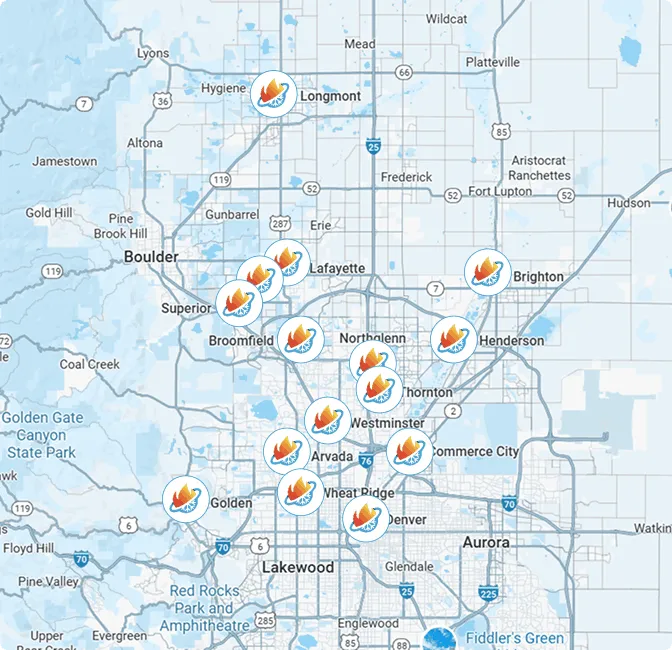
Service Areas

Testimonials
Neighbors trust Quality Heating & Air for honest work and fair pricing.
Service Areas