Power Up Your Comfort: Understanding Energy Efficient HVAC Systems
## Why Energy Efficient HVAC Matters for Your Home and Wallet
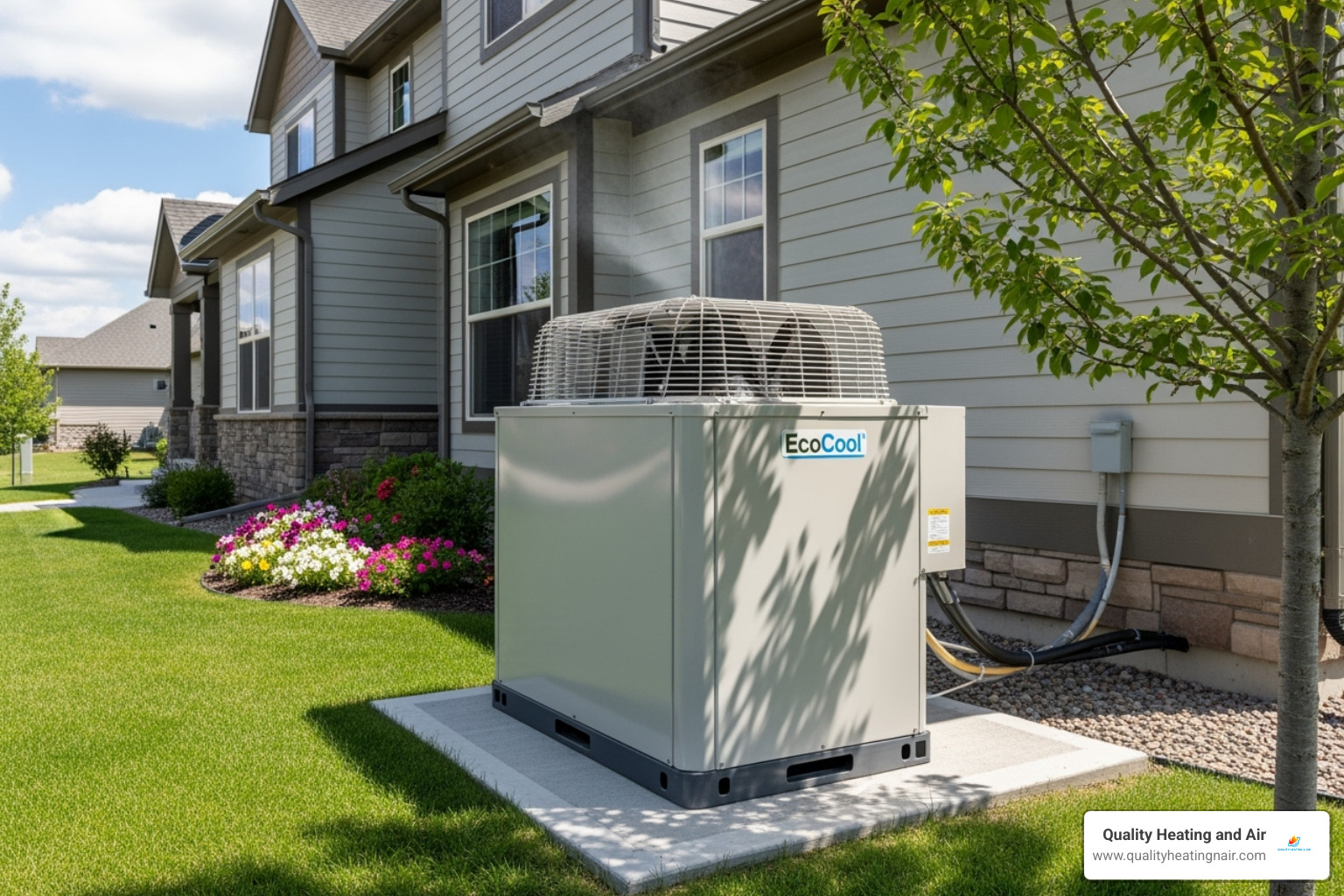
Energy efficient HVAC systems are designed to use less energy while maintaining or improving comfort. Since your HVAC system can account for up to 50% of your home’s energy expenses, upgrading to an efficient model can lead to significant savings.
What Defines Energy Efficient HVAC:
- High efficiency ratings: SEER2 20+ for cooling, HSPF2 9+ for heat pumps, AFUE 95%+ for furnaces - ENERGY STAR certification: Uses up to 20% less energy than standard models - Advanced technology: Variable-speed compressors and smart thermostats
Key Benefits:
- Lower utility bills - Improved comfort with better temperature and moisture control - Reduced carbon footprint - Longer equipment lifespan with proper maintenance
For homeowners in Thornton, CO, dealing with high energy bills and inconsistent temperatures, understanding energy-efficient HVAC is key to creating a comfortable home while reducing environmental impact. Whether you’re looking to optimize your current heating and cooling system or considering an upgrade, knowing what makes an HVAC system efficient is the first step. Contact Quality Heating and Air for a professional assessment.
Modern energy-efficient HVAC technology has advanced significantly. Today’s systems operate more quietly, maintain better moisture control, and deliver consistent comfort. With proper selection and installation, you can reduce your energy consumption by 20-70% compared to older systems.
Decoding HVAC Efficiency: Ratings, Components, and System Types
Understanding HVAC efficiency ratings is key to saving money on your energy bills. Think of them as a report card for your system—the higher the grade, the less energy it uses to keep your Thornton home comfortable.
SEER and SEER2 measure seasonal cooling efficiency for air conditioners and heat pumps. Higher numbers mean greater savings. The newer SEER2 standard is more accurate, with top systems reaching 24 SEER2.
EER and EER2 measure cooling efficiency at a single peak condition. Efficient units can achieve 16 EER2 or higher.
HSPF and HSPF2 measure a heat pump’s heating efficiency over a season. Advanced models can reach 10.5 HSPF2, making them great for Colorado winters.
AFUE measures furnace and boiler efficiency. A 95% AFUE rating means 95% of the fuel becomes heat for your home. Top models reach up to 98.5% AFUE.
The ENERGY STAR label signifies that a system is independently verified to use up to 20% less energy than standard models, simplifying your choice.
Here’s a comparison of different HVAC system types to help you understand which might work best for your home:
System TypeEfficiency PotentialKey AdvantagesConsiderationsCentral Air ConditionersUp to 24 SEER2Whole-home cooling, quiet operationCooling only, requires ductworkFurnacesUp to 98.5% AFUEPowerful heating for cold climatesHeating only, fuel costs varyHeat PumpsUp to 23 SEER2, 10.5 HSPF2Year-round comfort, transfers heat instead of generating itPerformance varies with extreme coldMini-Split SystemsHigh SEER ratingsNo duct losses, zoned comfort, flexible installationMultiple indoor units may be neededBoilersUp to 98.5% AFUEComfortable radiant heat, even temperature distributionRequires compatible distribution systemGeothermal SystemsCOP exceeding 4.0Up to 70% savings, incredibly efficient, long lifespanHigher upfront investment
Understanding Key HVAC Components
Your energy efficient HVAC system is a collection of engineered components working together. The compressor is the system’s heart; modern variable-speed models adjust their output to match your home’s needs, resulting in stable temperatures, lower energy use, and quieter operation. The evaporator and condenser coils transfer heat, but if they get dirty, they reduce efficiency. Variable-speed fans move air efficiently, using less electricity. Your thermostat controls the system, and a smart thermostat is crucial for maximizing efficiency. Finally, ductwork is critical; leaky ducts can lose 20-30% of your conditioned air. While not a direct part of heating and cooling, quality Air Purification Systems work with your system to improve indoor air quality without hindering airflow.
Comparing Types of Energy Efficient HVAC Systems
There’s no one-size-fits-all solution, but understanding your options makes the choice clearer.
Central AC systems provide quiet, whole-home cooling. For Thornton’s summers, we recommend ENERGY STAR models with a SEER2 rating of 15 or higher for significant energy savings.
Heat pumps are increasingly popular for providing both heating and cooling in one efficient system. They move heat rather than creating it, offering year-round comfort.
Mini Split Systems offer ductless, zoned comfort. They are perfect for additions or specific rooms, allowing you to heat or cool only the spaces you use.
Boiler systems provide comfortable radiant heat. Modern high-efficiency models deliver consistent warmth without drafts.
Geothermal systems are the pinnacle of efficiency, using the earth’s stable temperature to heat and cool your home. They can cut energy costs by up to 70%, offering incredible long-term savings.
Maximizing Your Current System: Maintenance and Home Improvements
Not ready for a new system? You can still improve comfort and lower energy bills by optimizing what you have. The key is a whole-home approach, viewing your HVAC system as one piece of the energy efficiency puzzle.
Start with your ductwork; sealing and insulating ducts can boost efficiency by up to 20% by preventing conditioned air from escaping. Similarly, improving your home’s insulation creates a thermal barrier that can reduce heating and cooling needs by 20-30%, allowing your energy efficient HVAC system to work less. For more tips, check out the A Guide to Energy Efficient Heating and Cooling (HVAC Guide) from ENERGY STAR.
The Critical Role of Regular Maintenance
Regular maintenance is the secret to HVAC efficiency and longevity. It saves money and prevents unexpected breakdowns. Our AC Maintenance and Service plans make it easy.
Changing air filters is simple yet crucial. A clogged filter restricts airflow, forcing your system to work harder and waste energy. Check your filter monthly and replace it at least every three months.
Your system’s coils and drain lines also need attention. Dirty coils can’t transfer heat efficiently, and clogged drain lines can cause water damage and system shutdowns.
Professional tune-ups twice a year are essential. Our technicians clean components, spot potential problems early, and optimize your system for peak performance. If you’re searching for Furnace Cleaning Near Me, we’re ready to help.
Smart Technology for Smarter Savings
Smart technology makes it easier than ever to save energy without sacrificing comfort.
Smart thermostats are a cornerstone of efficiency. They learn your schedule and adjust temperatures automatically, saving around $100 a year for homes with high energy use.
Even basic programmable settings help reduce energy use during unoccupied hours. Remote access via Wi-Fi thermostats adds convenience, allowing you to adjust settings from your smartphone anytime, anywhere.
Smart home integration allows your thermostat to work with other devices for even greater efficiency. For larger homes, zoned HVAC systems provide ultimate control by directing conditioned air only to the rooms you’re using, eliminating waste and improving comfort.
At Quality Heating and Air, we can help you get the most from your current system, whether through maintenance, duct sealing, or smart controls.
The Ultimate Upgrade: When and How to Choose a New Energy Efficient HVAC System
Sometimes, an upgrade is the smartest and most cost-effective solution. Knowing when it’s time can save you from breakdowns and high energy bills.
Consider a replacement if your system is over 10-15 years old, requires frequent repairs, or your energy bills are steadily rising. A 10-year-old AC unit is likely half as efficient as new models, and modern ENERGY STAR units use 30-40% less energy. When you’re considering an AC Replacement in Thornton, CO, we can help you understand the potential savings.
What to Look for in a New Energy Efficient HVAC
Choosing a new energy efficient HVAC system involves a few key factors.
ENERGY STAR certification is your guarantee of a system that meets strict federal efficiency guidelines. Also, look for high efficiency ratings like SEER2, HSPF2, and AFUE—higher numbers mean lower operating costs.
Variable-speed technology provides superior comfort and efficiency. By running at lower speeds for longer periods, these systems offer consistent temperatures and better humidity control, using up to 50% less energy than single-speed units.
Most importantly, ensure proper system sizing. An oversized or undersized unit will be inefficient and wear out faster. We use industry standards like ACCA Manual J to calculate the perfect size for your Thornton home.
Why Professional Installation is Non-Negotiable
Even the best HVAC system will underperform if installed incorrectly. Professional installation is non-negotiable. Improper installation can slash efficiency by up to 30%, shorten the equipment’s lifespan, and void your warranty. Our expert technicians ensure every detail is correct, from ductwork inspection to outdoor unit placement, maximizing your investment. For reliable service, count on our team for HVAC Repair Denver CO and surrounding communities.
Incentives and Rebates for Your Upgrade
Upgrading to an energy efficient HVAC system is more affordable than you might think, thanks to various incentives. Federal tax credits, local utility company rebates, and state and local programs can significantly reduce your upfront cost. You can learn more about tax credits here: Save with Tax Credits for Energy Efficiency (Video). We stay current on all available incentives in the Thornton, CO area and will help you maximize your savings.
Frequently Asked Questions about Energy Efficient HVAC
Here are answers to some of the most common questions we hear from Thornton homeowners about energy efficient HVAC systems.
How much can I really save with an energy-efficient HVAC system?
The savings can be substantial. Upgrading from a 10-year-old system can cut energy use by 30-40%. ENERGY STAR estimates annual savings of nearly $140 for equipment upgrades and around $100 for a smart thermostat. For maximum efficiency, geothermal systems can save up to 70% on annual heating and cooling costs. Your actual savings will depend on the age of your old unit, your home’s insulation, local climate, and system maintenance.
What is the most important efficiency rating to look for?
It depends on the equipment and your climate. For cooling, look for a high SEER2 rating. For heating with a heat pump, a high HSPF2 is key. For furnaces, focus on the AFUE percentage. In Thornton, where we have both hot summers and cold winters, a system with balanced efficiency for both heating and cooling is ideal.
Can I make my old HVAC system more efficient without a full replacement?
Absolutely. You can significantly boost your current system’s efficiency without a full replacement. Key strategies include:
- Regular professional maintenance: This is the most impactful step. A tune-up keeps your system running at peak performance. - Changing air filters: A simple task that prevents your system from working too hard. - Installing a smart thermostat: Automates energy savings without sacrificing comfort. - Professional duct sealing: Prevents the loss of conditioned air in your walls and attic. - Improving home insulation: Reduces the overall heating and cooling load on your system.
Addressing Indoor Air Quality Solutions can also help your system operate more efficiently. These improvements can significantly reduce your energy consumption and extend the life of your current system.
Conclusion: Your Path to a More Comfortable and Efficient Home
Investing in energy efficient HVAC is about creating a more comfortable, cost-effective, and environmentally responsible home. The benefits include significant cost savings on utility bills, improved comfort with consistent temperatures and quieter operation, and a reduced carbon footprint.
Achieving these benefits requires a holistic approach. A high-efficiency unit must work in harmony with sealed ductwork, proper home insulation, and smart maintenance habits. When all these elements come together, you’ll experience the full potential of your investment.
Whether you’re ready for a full upgrade or want to maximize your current system’s performance, every step forward counts.
For expert guidance on all things energy efficient HVAC in Thornton, CO, trust Quality Heating and Air. We’re your neighbors, passionate about helping you achieve the comfort and savings you deserve. We treat every home like our own because we know how much your home means to you.
Let us help you ensure your entire system is running efficiently. Whether you need expert furnace repair in Thornton, CO or want to explore upgrade options, we’re here for you. Contact Quality Heating and Air today, and let’s start your journey toward a more comfortable, efficient home together.

Testimonials
Neighbors trust Quality Heating & Air for honest work and fair pricing.
Really happy with my overall experience. They worked neatly, quickly, and taught me MUCH along the way. Gave great advice, helped me with a side concern, that was holding me up; and finished in time for my Dentist visit. I would highly recommend this business, and the price was a pure blessing. GREAT local company and I wasn't bribed for my review 🙃 thx guys!
Bonnie B.
Fred was very knowledgeable, he repaired an old rusted iron pipe that was part of the original house build. I thought the repair would be more costly than what Fred qouted me including parts and labor. Fred made the repair after 5pm, after getting the necessary parts and he was very clean because he put down a cloth on the bathroom floor while working. I would highly recommend Fred for service in the future and I will use Quality's services again in the future.
Chris S.
Fred did a wonderful job diagnosing our air conditioning issue, presenting options available, and installing the new unit we needed. In addition to being a truly nice person, Fred was very knowledgable and professional, and we highly recommend him. Thank you Fred!
James D.
Fred was great and explained our issues we had and fixes we needed in an easy to understand way. Will ask for him next time.
Justin F.
Great service, Fred was able to show up the same day we had a problem and get everything fixed. Very knowledgeable and did not pressure us to spend money we didn’t need to spend. I would recommend to a friend without question.
Kyle F.
Fred Gottschalk performed a miracle with the furnace. He is by far the most knowledgeable HVAC professional I know to date. He knew everything about my furnace and replaced an old blower. The blower is far superior over the OEM one. I did the right thing choosing Fred!
Marty P.
I had an amazing experience with Fred Gottschalk! From the moment he came in to the moment he left he was very personable and made me feel good about my decision to call this company for assistance. I love the fact that they prioritize a personal touch making sure whoever comes to your door will remain your tech every time you call in. One thing he told me that gained my trust is that he will take care of my furnace the way he would want someone to take care of his granny’s. Thank you Quality heating and air, and thank you Fred!
Monica G.
Our technician Fred was excellent. Arrived on time, communicated well and was very knowledgable. Highly recommend and will continue to use these guys.
Nancy S.
Fred was great! He was friendly and informative, answered all of our questions and even got along with our cat (also named Fred). Would highly recommend!
Sadie P.
Highly recommend. Easy scheduling process and our technician Fred was on time, very professional, and knowledgeable on all things in the mechanical world. Took time to educate us and fix the issues we had.
Scott F.
Really happy with my overall experience. They worked neatly, quickly, and taught me MUCH along the way. Gave great advice, helped me with a side concern, that was holding me up; and finished in time for my Dentist visit. I would highly recommend this business, and the price was a pure blessing. GREAT local company and I wasn't bribed for my review 🙃 thx guys!
Bonnie B.
Fred was very knowledgeable, he repaired an old rusted iron pipe that was part of the original house build. I thought the repair would be more costly than what Fred qouted me including parts and labor. Fred made the repair after 5pm, after getting the necessary parts and he was very clean because he put down a cloth on the bathroom floor while working. I would highly recommend Fred for service in the future and I will use Quality's services again in the future.
Chris S.
Fred did a wonderful job diagnosing our air conditioning issue, presenting options available, and installing the new unit we needed. In addition to being a truly nice person, Fred was very knowledgable and professional, and we highly recommend him. Thank you Fred!
James D.
Fred was great and explained our issues we had and fixes we needed in an easy to understand way. Will ask for him next time.
Justin F.
Great service, Fred was able to show up the same day we had a problem and get everything fixed. Very knowledgeable and did not pressure us to spend money we didn’t need to spend. I would recommend to a friend without question.
Kyle F.
Fred Gottschalk performed a miracle with the furnace. He is by far the most knowledgeable HVAC professional I know to date. He knew everything about my furnace and replaced an old blower. The blower is far superior over the OEM one. I did the right thing choosing Fred!
Marty P.
I had an amazing experience with Fred Gottschalk! From the moment he came in to the moment he left he was very personable and made me feel good about my decision to call this company for assistance. I love the fact that they prioritize a personal touch making sure whoever comes to your door will remain your tech every time you call in. One thing he told me that gained my trust is that he will take care of my furnace the way he would want someone to take care of his granny’s. Thank you Quality heating and air, and thank you Fred!
Monica G.
Our technician Fred was excellent. Arrived on time, communicated well and was very knowledgable. Highly recommend and will continue to use these guys.
Nancy S.
Fred was great! He was friendly and informative, answered all of our questions and even got along with our cat (also named Fred). Would highly recommend!
Sadie P.
Highly recommend. Easy scheduling process and our technician Fred was on time, very professional, and knowledgeable on all things in the mechanical world. Took time to educate us and fix the issues we had.
Scott F.
Really happy with my overall experience. They worked neatly, quickly, and taught me MUCH along the way. Gave great advice, helped me with a side concern, that was holding me up; and finished in time for my Dentist visit. I would highly recommend this business, and the price was a pure blessing. GREAT local company and I wasn't bribed for my review 🙃 thx guys!
Bonnie B.
Fred was very knowledgeable, he repaired an old rusted iron pipe that was part of the original house build. I thought the repair would be more costly than what Fred qouted me including parts and labor. Fred made the repair after 5pm, after getting the necessary parts and he was very clean because he put down a cloth on the bathroom floor while working. I would highly recommend Fred for service in the future and I will use Quality's services again in the future.
Chris S.
Fred did a wonderful job diagnosing our air conditioning issue, presenting options available, and installing the new unit we needed. In addition to being a truly nice person, Fred was very knowledgable and professional, and we highly recommend him. Thank you Fred!
James D.
Fred was great and explained our issues we had and fixes we needed in an easy to understand way. Will ask for him next time.
Justin F.
Great service, Fred was able to show up the same day we had a problem and get everything fixed. Very knowledgeable and did not pressure us to spend money we didn’t need to spend. I would recommend to a friend without question.
Kyle F.
Fred Gottschalk performed a miracle with the furnace. He is by far the most knowledgeable HVAC professional I know to date. He knew everything about my furnace and replaced an old blower. The blower is far superior over the OEM one. I did the right thing choosing Fred!
Marty P.
I had an amazing experience with Fred Gottschalk! From the moment he came in to the moment he left he was very personable and made me feel good about my decision to call this company for assistance. I love the fact that they prioritize a personal touch making sure whoever comes to your door will remain your tech every time you call in. One thing he told me that gained my trust is that he will take care of my furnace the way he would want someone to take care of his granny’s. Thank you Quality heating and air, and thank you Fred!
Monica G.
Our technician Fred was excellent. Arrived on time, communicated well and was very knowledgable. Highly recommend and will continue to use these guys.
Nancy S.
Fred was great! He was friendly and informative, answered all of our questions and even got along with our cat (also named Fred). Would highly recommend!
Sadie P.
Highly recommend. Easy scheduling process and our technician Fred was on time, very professional, and knowledgeable on all things in the mechanical world. Took time to educate us and fix the issues we had.
Scott F.
Really happy with my overall experience. They worked neatly, quickly, and taught me MUCH along the way. Gave great advice, helped me with a side concern, that was holding me up; and finished in time for my Dentist visit. I would highly recommend this business, and the price was a pure blessing. GREAT local company and I wasn't bribed for my review 🙃 thx guys!
Bonnie B.
Fred was very knowledgeable, he repaired an old rusted iron pipe that was part of the original house build. I thought the repair would be more costly than what Fred qouted me including parts and labor. Fred made the repair after 5pm, after getting the necessary parts and he was very clean because he put down a cloth on the bathroom floor while working. I would highly recommend Fred for service in the future and I will use Quality's services again in the future.
Chris S.
Fred did a wonderful job diagnosing our air conditioning issue, presenting options available, and installing the new unit we needed. In addition to being a truly nice person, Fred was very knowledgable and professional, and we highly recommend him. Thank you Fred!
James D.
Fred was great and explained our issues we had and fixes we needed in an easy to understand way. Will ask for him next time.
Justin F.
Great service, Fred was able to show up the same day we had a problem and get everything fixed. Very knowledgeable and did not pressure us to spend money we didn’t need to spend. I would recommend to a friend without question.
Kyle F.
Fred Gottschalk performed a miracle with the furnace. He is by far the most knowledgeable HVAC professional I know to date. He knew everything about my furnace and replaced an old blower. The blower is far superior over the OEM one. I did the right thing choosing Fred!
Marty P.
I had an amazing experience with Fred Gottschalk! From the moment he came in to the moment he left he was very personable and made me feel good about my decision to call this company for assistance. I love the fact that they prioritize a personal touch making sure whoever comes to your door will remain your tech every time you call in. One thing he told me that gained my trust is that he will take care of my furnace the way he would want someone to take care of his granny’s. Thank you Quality heating and air, and thank you Fred!
Monica G.
Our technician Fred was excellent. Arrived on time, communicated well and was very knowledgable. Highly recommend and will continue to use these guys.
Nancy S.
Fred was great! He was friendly and informative, answered all of our questions and even got along with our cat (also named Fred). Would highly recommend!
Sadie P.
Highly recommend. Easy scheduling process and our technician Fred was on time, very professional, and knowledgeable on all things in the mechanical world. Took time to educate us and fix the issues we had.
Scott F.
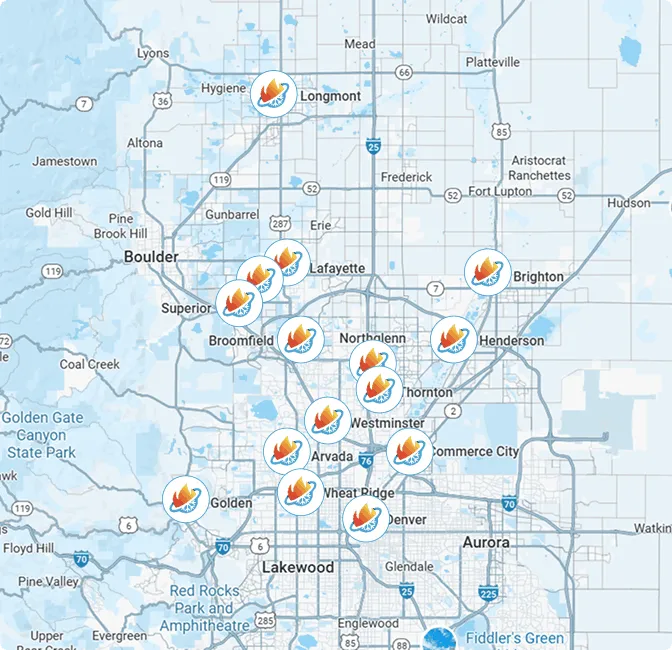
Service Areas

Testimonials
Neighbors trust Quality Heating & Air for honest work and fair pricing.
Service Areas