
Air Conditioning Tune Up in Longmont, CO

Air Conditioning Tune Up in Longmont, CO
A focused air conditioning tune up keeps your system running efficiently, reduces the risk of summer breakdowns, and prolongs equipment life. In Longmont, CO, where hot, dry afternoons, pollen, dust, and seasonal smoke from wildfires can load filters and coils, a professional AC tune up is especially important.
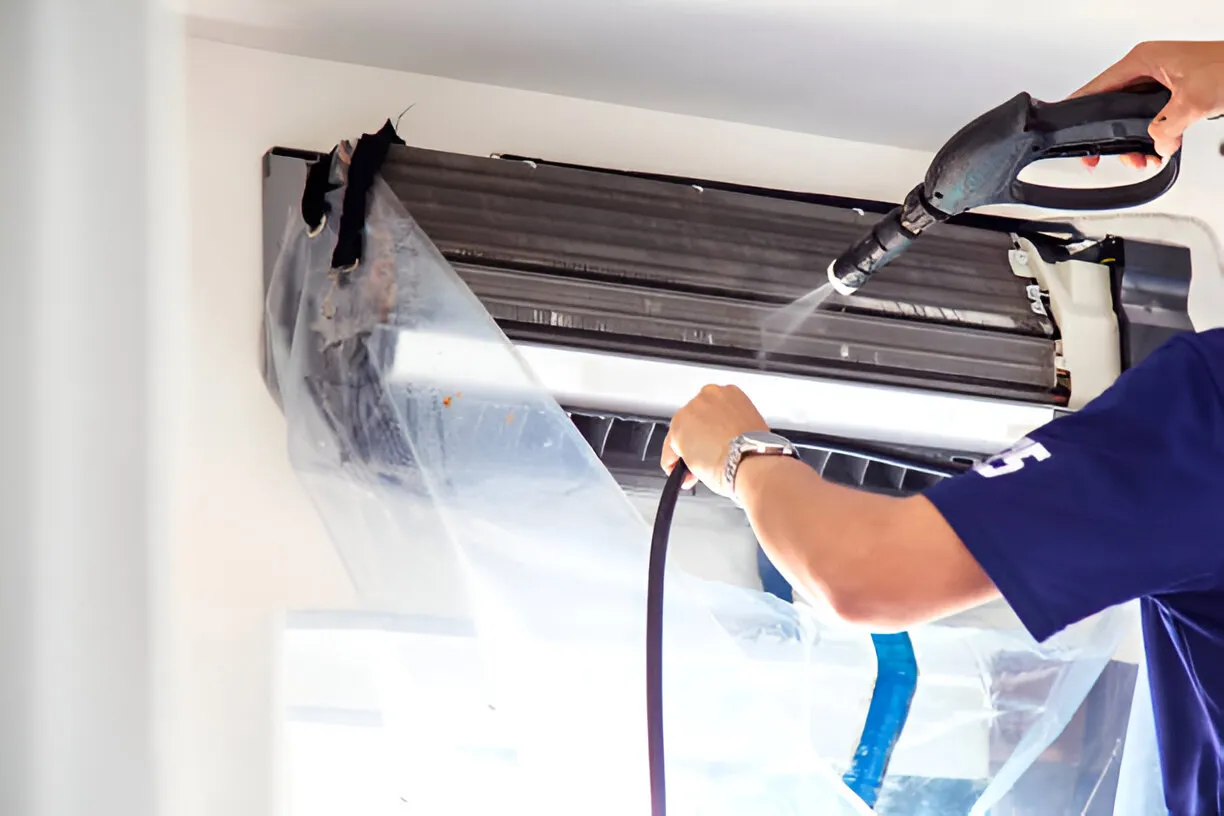
Why a tune up matters in Longmont, CO
Longmont’s climate accelerates wear on cooling equipment in a few ways:
- Summer heat and high-altitude conditions can lead to longer run times and greater stress on compressors.
- Spring and fall pollen plus prairie dust quickly clog filters and reduce airflow.
- Periodic wildfire smoke increases fine particulates indoors, loading coils and ducts.
- Sudden summer storms can introduce moisture into outdoor units and condensate lines.
A proactive tune up addresses these stressors before they cause costly failures, keeps cooling efficient, and helps protect indoor air quality in your home.
Common AC problems in Longmont homes
- Reduced airflow caused by clogged filters, dirty coils, or failing blower components
- Longer run cycles and rising energy bills from low refrigerant charge or restricted airflow
- Condensate drain clogs that cause water damage or indoor humidity issues
- Electrical shorts, weak capacitors, and worn contactors that lead to intermittent operation
- Corroded outdoor coils and fans from dust and pollen accumulation
- Unnoticed refrigerant leaks that lower performance and damage the compressor
Understanding these typical issues helps tune ups target the right components and deliver measurable results.
What an Air Conditioning Tune up in Longmont, CO includes
A professional, focused tune up centers on inspection, cleaning, small adjustments, and performance verification. Typical tasks include:
- Visual inspection of the entire system: outdoor unit, indoor coil, blower, thermostat, ductwork access points
- Air filter check and replacement recommendation for your home’s needs (high-efficiency filters or MERV upgrades discussed)
- Outdoor coil cleaning and fin straightening to restore heat transfer
- Indoor evaporator coil inspection and light cleaning to remove dust and biofilm
- Condensate drain and pan cleaning and verification of proper drain flow to prevent clogs and mold
- Blower wheel and motor inspection; removal of debris and lubrication of accessible bearings where applicable
- Fan blade and belt inspection, cleaning, and tension adjustment if needed
- Electrical safety inspection: tighten connections, inspect contactors, test capacitors and fuses
- Refrigerant verification: measure pressures and temperatures to confirm proper charge; check for signs of leaks
- System performance checks: measure temperature split across the evaporator (typical range explained below), run-time assessments, and airflow observations
- Thermostat calibration and control check; verify correct setpoints and operation
- Safety checks: high/low pressure switches, safety controls, and proper airflow safeguards
- Written checklist and findings summary with homeowner-friendly explanations and prioritized recommendations
Diagnostic checks and what they mean
A tune up goes beyond cleaning. Technicians perform simple diagnostics that indicate system health:
- Temperature split: Measuring the indoor return air temperature versus supply air gives a delta T. A healthy central AC commonly shows about 14 to 22 degrees Fahrenheit of cooling across the coil, depending on outdoor conditions and system design. Significant deviations often point to airflow restrictions or refrigerant issues.
- Refrigerant pressure check: Verifying pressures and superheat/subcooling helps confirm the system has the correct refrigerant charge and identifies potential leaks.
- Airflow assessment: Technicians look for weak supply registers, dirty filters, or blocked returns that reduce CFM and efficiency.
- Electrical load and component tests: Capacitors, relays, and contactors are tested to avoid unexpected failures that often occur on the hottest days.
Each measurement is used to prioritize repairs and explain the long-term impact for your home.
Frequency recommendations for Longmont homes
- Annual comprehensive tune up in spring: Recommended for most Longmont homes to prepare the system for summer cooling and catch winter-related issues.
- Twice-yearly checks for higher-risk situations: Older systems, homes with heavy pollen or wildfire smoke exposure, or households with high cooling demand may benefit from a spring and mid-summer check.
- After storms or extended heavy-use periods: If you notice reduced cooling after a windstorm, dusty spell, or wildfire smoke event, schedule an inspection to avoid long-term damage.
Regular maintenance is often required to keep manufacturer warranties valid and helps extend service life.
Benefits you can expect
- Improved efficiency: Cleaner coils, proper refrigerant charge, and optimized airflow restore design efficiency and commonly reduce energy use compared with an unmaintained system.
- Lower risk of summertime breakdowns: Early detection of worn electrical components or sluggish motors prevents emergency failures.
- Extended equipment life: Routine lubrication, cleaning, and minor adjustments reduce wear and delay expensive replacements.
- Better indoor comfort and air quality: Proper airflow and clean coils help maintain consistent temperatures and reduce dust and allergen circulation.
- Safer operation: Electrical and safety control checks reduce fire and hazard risks associated with loose connections or failed components.
- Clear, prioritized recommendations: A professional tune up includes a simple report that helps homeowners decide which repairs are urgent and which can be scheduled later.
After the tune up: maintenance tips specific to Longmont
- Change or check filters monthly during high-use months; Longmont’s dust and pollen load makes frequent filter changes important.
- Keep outdoor unit clear of vegetation and stored items, especially before spring and during growing season.
- Protect the unit during winter but ensure covers are vented and removed before spring startup to prevent mold and rodent issues.
- Consider higher-efficiency filtration or supplemental air cleaning if wildfire smoke is common in your area.
- Track seasonal performance: note thermostat settings, run times, and any unusual noises so technicians can compare during future visits.
A professional air conditioning tune up in Longmont, CO is a practical investment that pays off through lower energy costs, fewer breakdowns, and more consistent comfort. Properly timed maintenance tailored to Longmont’s climate and airborne challenges keeps your system performing reliably when you need it most.
Promotions
Save on seasonal system checks from a local team that treats your home like our own.

Testimonials
Neighbors trust Quality Heating & Air for honest work and fair pricing.