
Air Conditioning Repair in Longmont, CO
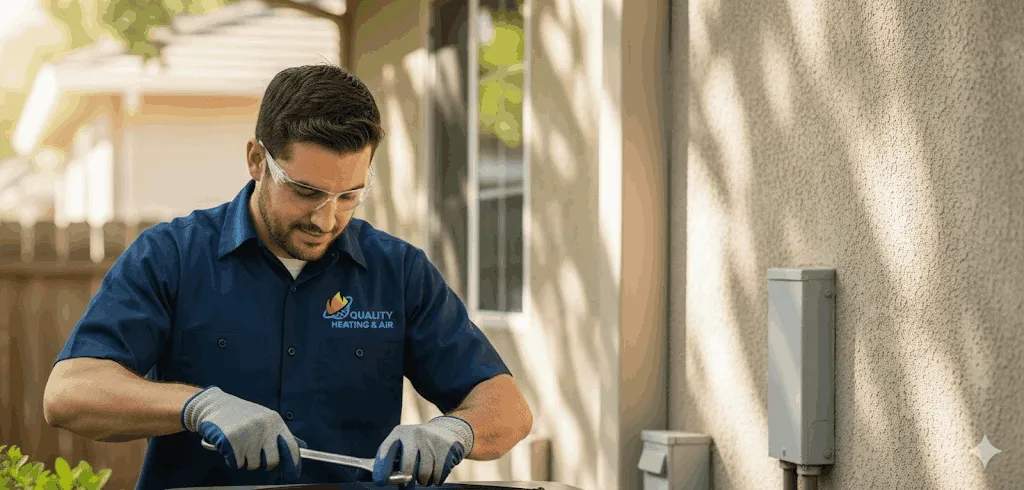
Air Conditioning Repair in Longmont, CO
Keeping your home comfortable during Longmont’s hot, dry summers and sudden heat spikes means having an air conditioning system that works reliably. When your AC underperforms, cycles excessively, or fails entirely, fast, accurate diagnostics and repairs prevent higher energy bills, indoor discomfort, and costly system replacements.

Why Longmont’s local conditions matter
Longmont’s semi-arid climate brings warm afternoons, significant day-night temperature swings, seasonal thunderstorms, dust, and regional wildfire smoke events. These conditions increase cooling demand during summer and contribute to dusty coils, clogged filters, and faster wear of electrical components. Higher elevation also affects air density and heat transfer, which can influence system performance and refrigerant charging practices. Technicians experienced with Colorado elevation and local weather patterns will adjust diagnostics and repairs accordingly.
Common AC symptoms and likely causes
- Weak or warm airflow from vents
- Causes: dirty air filter, blocked return, failing blower motor, low refrigerant, or frozen evaporator coil.
- Short cycling (turning on and off frequently)
- Causes: oversized unit, thermostat issues, refrigerant leaks, faulty control board, or overheating compressor.
- Unit won’t start or compressor won’t run
- Causes: tripped breaker, failed capacitor, bad contactor, wiring fault, or failed compressor.
- Loud or unusual noises (clanking, grinding, hissing)
- Causes: loose panels, failing fan motor bearings, debris hitting fan, refrigerant leak, or failing compressor.
- Water leaking inside or around the air handler
- Causes: clogged condensate drain, broken condensate pump, frozen coil, or poor drain pan condition.
- Foul or burning smells during operation
- Causes: electrical short, burnt wiring, mold in ducts or evap coil, or animals/nests in equipment.
- High energy bills despite normal use
- Causes: dirty coils, low refrigerant charge, failing components, poor duct sealing, or aged system efficiency loss.
Diagnostic process: what to expect
A thorough diagnostic narrows down root causes and prevents unnecessary parts replacement. Typical steps include:
- Visual inspection of outdoor condensing unit and indoor air handler for debris, damage, or obvious leaks.
- Confirm thermostat settings and operation; check batteries and wiring.
- Electrical testing of breakers, contactors, capacitors, relays, and compressor start components.
- Measure system temperatures and airflow across the evaporator coil to assess performance.
- Refrigerant pressure checks and leak detection using electronic detectors or dye when applicable. Note: refrigerant handling requires EPA-certified technicians.
- Inspect condensate drain, pans, and float switches for blockages or malfunctions.
- Assess ductwork for obvious disconnections, leaks, or insulation issues impacting airflow.
- Provide a clear diagnosis with repair options, parts needed, and an estimate.
Typical repair procedures explained
- Capacitor or contactor replacement: Common and quick fixes when compressor or fan won’t start.
- Refrigerant leak repair and recharge: Locate and repair leak, recovery of remaining refrigerant, and recharge to correct charge—important in Longmont where leaks can develop from thermal cycling and UV exposure. Note higher costs if older R-22 refrigerant is involved.
- Compressor or condensing unit replacement: Required for severe compressor failure or damaged outdoor units. May be partial (compressor only) or full condensing unit swap.
- Fan motor or blower motor replacement: Restores proper airflow and can eliminate noise.
- Evaporator or condenser coil cleaning and fin repair: Improves heat transfer and system efficiency; dirty coils are common in dusty, pollen-prone conditions.
- Condensate drain clearing and drain pan repair: Prevents water damage and reduces microbial growth.
- Control board or thermostat replacement: Addresses communication, cycling, or sensor issues.
- Duct sealing and insulation repairs: Improves system efficiency and comfort distribution.
Parts, warranties, and refrigerant notes
- Manufacturer warranties typically cover major components for a defined period (commonly 5–10 years on compressors) and vary by brand and model. Labor warranties for repairs commonly range from 30 days to 1 year depending on provider policy.
- OEM (original equipment manufacturer) parts vs aftermarket: OEM parts match original specifications and often preserve remaining manufacturer warranties; aftermarket parts can be cost-effective for older systems but check compatibility.
- Refrigerant considerations: R-22 (Freon) is phased out and costly; systems using R-22 may be more expensive to recharge. Newer systems use R-410A or other modern refrigerants. At Longmont’s elevation, technicians account for air density and may adjust charge or equipment sizing to ensure peak performance.
- Legal and safety: Refrigerant handling and disposal require EPA-certified technicians and proper equipment.
Emergency / after-hours response and estimated response times
- Emergency scenarios include total loss of cooling during extreme heat, signs of electrical burning or smoke, refrigerant leaks with health symptoms, or active water flooding from AC components.
- Typical response time guidance (subject to local crew availability and peak-season demand):
- Emergency (unsafe conditions, total system failure in extreme heat): same-day response, often within 2–6 hours when crews are available.
- Priority (major cooling loss but safe): same-day or next-business-day, commonly within 6–24 hours.
- Routine (non-urgent diagnostics or scheduled repairs): 24–72 hours.
- After-hours or weekend service may incur premium rates; during heat waves or widespread outages, expect extended wait times due to elevated demand.
Pricing guidance (general ranges)
- Diagnostic/service call: commonly in the $75–$200 range depending on region and season.
- Minor repairs (capacitor, contactor, thermostat, simple fan motor): typically $150–$500.
- Refrigerant recharge (no leak repair) and basic leak locating: $200–$900 depending on refrigerant type and amount needed. R-22 recharges can be much higher.
- Compressor or major component replacement: $1,000–$3,500 depending on system type and whether full condensing unit replacement is needed.
- Duct sealing, coil cleaning, or condensate repairs: $150–$800.
These ranges are provided as guidance; exact pricing depends on system make/model, part availability, accessibility, and diagnostic findings.
Troubleshooting tips you can try safely
- Check the thermostat: Ensure it’s set to cool, temperature is set below indoor temp, and batteries are fresh.
- Check the breaker and disconnect: Reset tripped breakers or the AC disconnect near the outdoor unit if safe to do so.
- Replace a dirty air filter: A clogged filter can drastically reduce airflow and cooling.
- Clear debris around the outdoor unit: Remove leaves, grass, and dust buildup to improve airflow.
- Inspect condensate drain access: If you see overflow, turning off the system and clearing the drain line can prevent water damage.
- Wait and observe: If the system is icing, turn off the AC and run the fan only until ice melts, then call a technician.
When to call a technician immediately:
- Burning smell, smoke, or visible wiring damage.
- Refrigerant hissing or suspected leak, especially if occupants feel dizziness or headaches.
- No cooling after checking thermostat and breakers for 30 minutes.
- Ice buildup on evaporator coil or refrigerant lines.
- Water actively leaking into living spaces.
- Loud metallic grinding, banging, or a compressor that hums but fails to run.
Benefits of timely repair and maintenance
Prompt, properly diagnosed repairs restore comfort, reduce energy bills, extend system life, and prevent small issues from becoming major failures. In Longmont, addressing dusty coils, condensate problems, refrigerant leaks, and electrical wear early protects your system from seasonal extremes and high-demand stress. Regular maintenance tailored to local climate conditions will keep your AC running efficiently when you need it most.
Promotions
Save on seasonal system checks from a local team that treats your home like our own.

Testimonials
Neighbors trust Quality Heating & Air for honest work and fair pricing.