
Air Conditioning Installation in Longmont, CO
Air Conditioning Installation in Longmont, CO
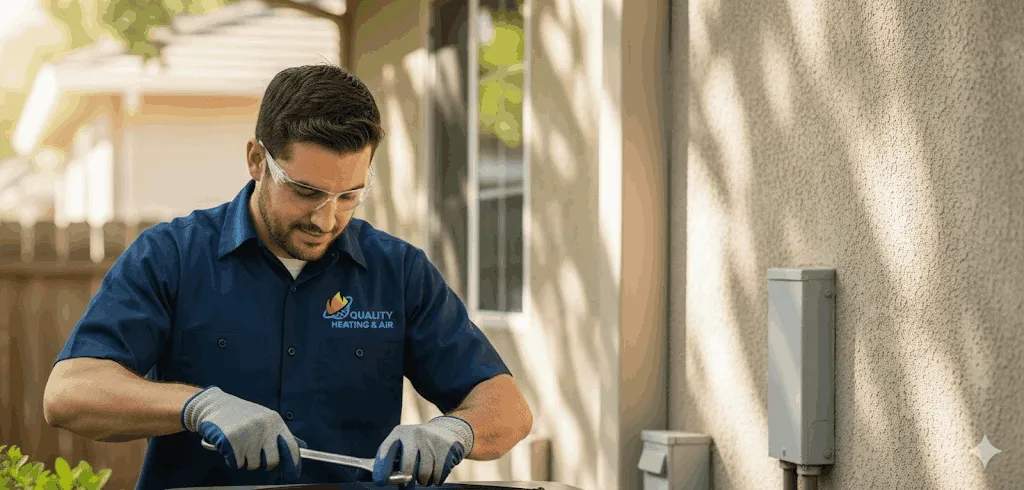
Installing a new air conditioning system in Longmont, CO is an investment in year-round comfort and home value. With hot, dry summers, large diurnal temperature swings, and higher altitude effects on equipment performance, proper AC installation for Longmont homes requires careful assessment, correct sizing, code-compliant permitting, and experienced workmanship.
Why a tailored AC installation matters in Longmont
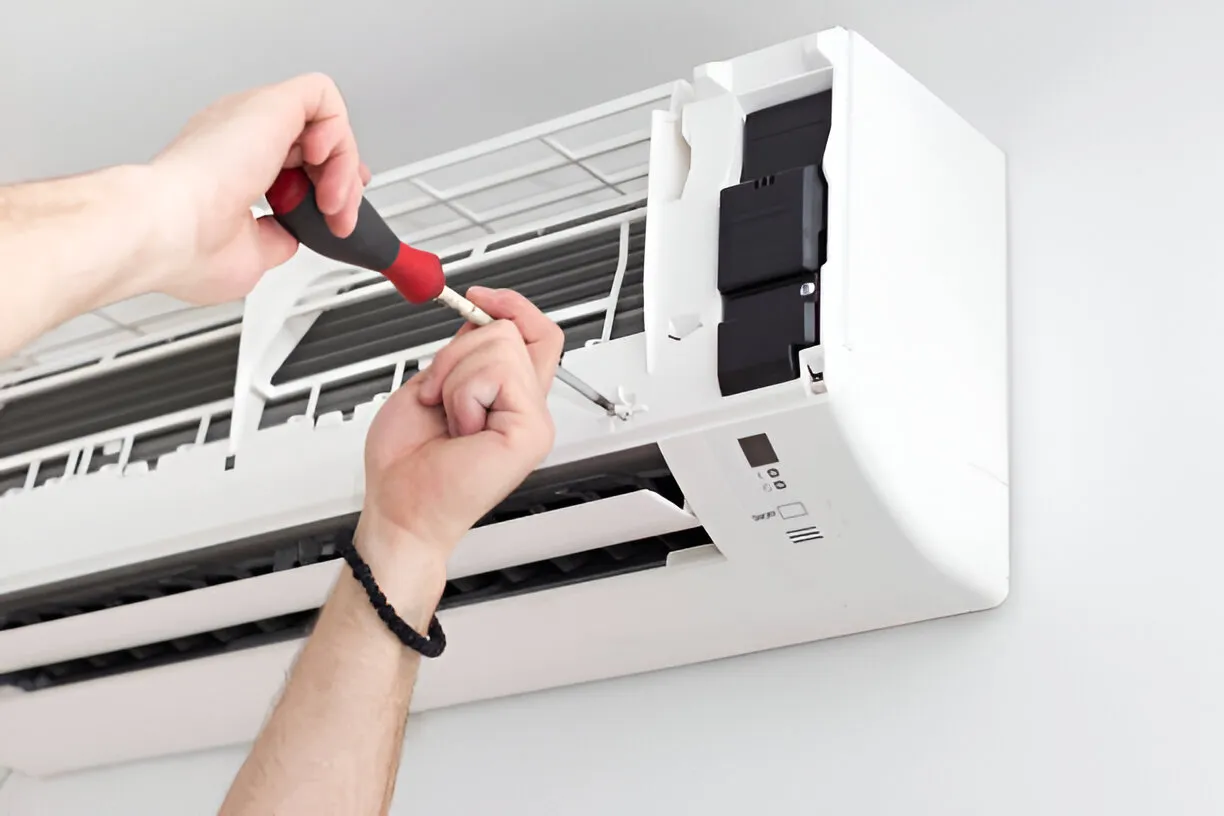
Longmont’s climate places specific demands on cooling systems. Summers frequently push into the 80s and 90s, while the dry air and high elevation alter refrigerant behavior and compressor efficiency. Improperly sized or installed systems can short cycle, struggle on peak days, and drive up electric bills. A professional installation tuned for Longmont homes ensures:
- Reliable cooling during heat waves
- Lower operating costs with the right efficiency rating
- Longer equipment life despite altitude and temperature swings
- Compliance with local permitting and inspection rules
Common air conditioning installation types in Longmont
We typically see these installations in local homes:
- Central air conditioning replacement for older split systems
- New central AC paired with existing furnaces and ductwork
- Ductless mini-split systems for additions or homes without ducts
- High-efficiency upgrades to reduce energy use and qualify for local utility incentives
Initial home assessment and load calculations
A correct installation starts with a site visit and a detailed assessment:
- Review of your home layout, insulation, windows, attic and roof shading
- Inspection of existing ductwork condition and airflow paths
- Measurement of room-by-room cooling loads using industry-standard calculations (Manual J)
- Evaluation of electrical panel capacity and outdoor condenser placement options
Accurate load calculations determine proper system capacity. Oversized units lead to short cycling and humidity issues; undersized units run constantly and still fail to reach comfort on the hottest days. For Longmont, adjustments for altitude and sun exposure are included in the calculation.
Energy-efficient unit selection and sizing
Selecting the right equipment balances performance, efficiency, and budget:
- SEER rating and energy efficiency: Higher SEER units save more on operating costs, especially during Longmont’s warm months
- Refrigerant type and high-altitude considerations: Modern refrigerants used by top brands are selected and charged correctly for altitude performance
- Matching indoor coil, condenser, and furnace components to preserve manufacturer warranties and maximize efficiency
- Brand and model options: reputable lines such as Carrier, Trane, Lennox, Daikin, Amana provide a range of efficiency and warranty options
Sizing takes your Manual J results, ductwork assessment, and local climate into account to select a unit that cools evenly and runs efficiently.
Professional installation steps and typical timeline
A professional AC installation generally follows this process:
- Pre-installation planning and permit submission - 1 to 3 days
- Equipment delivery and site preparation - day 1
- Outdoor condenser placement, pad or curb installation - day 1
- Indoor coil or furnace coil swap and refrigerant line installation - day 2
- Electrical hookup, thermostat wiring, and ductwork adjustments - day 2
- System start-up, refrigerant charging, airflow balancing, and final testing - day 2
- Final inspection and permit sign-off - depends on municipal schedule, typically 1 to 7 days
Most typical central AC installs for single-family homes take 1 to 3 days on-site, with additional days for permitting and inspections. Ductless mini-split installs are often completed in a single day.
Permitting, code compliance, and safety
Longmont and Boulder County have specific permit and inspection requirements for HVAC work. Key compliance points include:
- Mechanical and electrical permits for new equipment and wiring
- Proper refrigerant handling by certified technicians (EPA 608 certification)
- Compliance with local energy efficiency codes and appliance installation standards
- Final inspection and approval by the city or county inspector
Following code requirements protects your investment, ensures safety, and is required for warranty validation in many cases.
Warranty and brand options
When choosing equipment, consider both manufacturer and labor warranties:
- Manufacturer warranty: typically covers defects in the compressor and major components; length varies by brand and model
- Labor warranty: covers installation workmanship for a specified period after completion
- Extended protection plans: available for added peace of mind and longer coverage
- Proper registration: many manufacturers require prompt product registration to activate full warranty benefits
Selecting trusted brands with strong local service networks helps ensure warranty claims are handled smoothly.
Pricing estimates and financing
Installation cost varies with system size, equipment efficiency, ductwork needs, and installation complexity. Typical factors affecting price:
- System capacity and SEER rating
- Need for new ductwork or duct repairs
- Electrical upgrades or panel changes
- Outdoor pad construction or condenser location challenges
- Permit and inspection fees
Financing options are commonly available to split the investment into monthly payments, and utility rebates or incentives may apply for energy-efficient models. Check local utility programs and manufacturer incentives when planning your budget.
Post-installation testing and homeowner orientation
After installation, a thorough commissioning process ensures the system operates as intended:
- Refrigerant charge and airflow verification
- Temperature split testing and efficiency checks
- Duct leakage and airflow balancing when applicable
- Thermostat programming for comfort and energy savings
- Walk-through with the homeowner to explain system operation, filter maintenance, and warranty paperwork
You should receive documentation for equipment specs, warranty details, and recommended maintenance intervals.
Long-term benefits and maintenance tips for Longmont homeowners
A properly installed, correctly sized air conditioner delivers:
- Consistent comfort through hot summer months
- Lower energy bills with high-efficiency equipment
- Extended equipment lifespan with reduced wear
- Better indoor air quality when paired with filtration upgrades
Maintenance tips to prolong performance:
- Replace or clean filters every 1 to 3 months during cooling season
- Schedule annual tune-ups before summer to verify refrigerant levels, clean coils, and test controls
- Keep condenser area clear of debris and ensure good airflow
- Consider attic insulation and shading strategies to reduce cooling load
Promotions
Save on seasonal system checks from a local team that treats your home like our own.

Testimonials
Neighbors trust Quality Heating & Air for honest work and fair pricing.