
Air Conditioning Replacement in Superior, CO
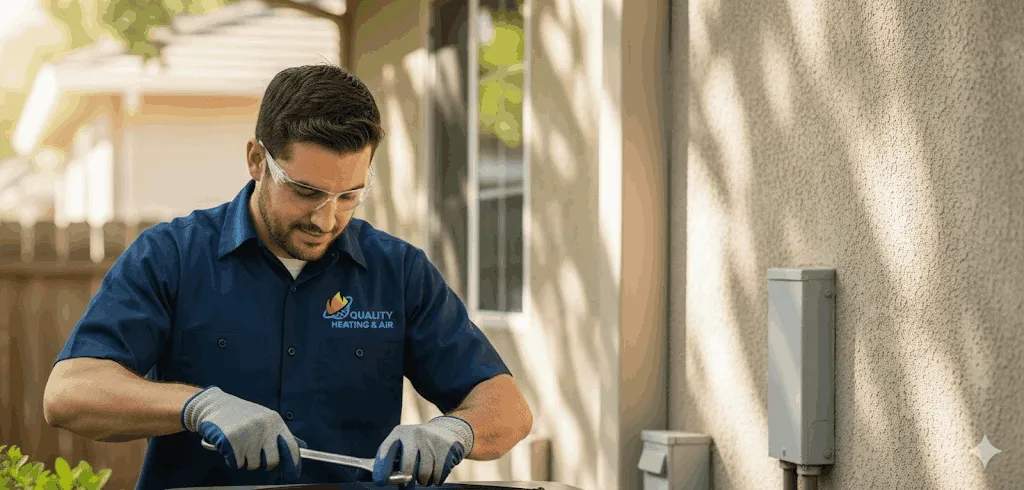
Air Conditioning Replacement in Superior, CO
Replacing an aging or inefficient air conditioner is one of the most impactful home improvements for comfort and long-term savings. In Superior, CO, where summers can bring prolonged heat, strong sun, and occasional poor air quality from wildfire smoke, a properly sized and modern air conditioning system improves indoor comfort, reduces energy use, and protects indoor air quality.

Why replace your AC now: common pain points in Superior, CO homes
- Older systems struggle during heat waves, producing weak airflow or inconsistent cooling across rooms.
- Rising utility bills with frequent repairs signal deteriorating efficiency.
- Refrigerant phaseouts and equipment age can make repairs costly or impossible without replacing major components.
- Duct leaks, insufficient insulation, or undersized systems reduce comfort and increase runtime.
- Concerns about indoor air quality during wildfire season often prompt homeowners to pair a new AC with improved filtration or air purification.
Common air conditioning replacement scenarios
- Full system replacement of a central split system (outdoor condensing unit and indoor air handler or coil).
- Heat pump replacement for homes that use heat pumps for both heating and cooling.
- Ductless mini split installation to add zoned cooling or serve rooms without existing ductwork.
- Partial replacements when one component fails but the other is incompatible because of age or refrigerant type.
How we evaluate what your home needs
A professional replacement starts with a thorough assessment:
- Load calculation (Manual J) to determine correct system size based on living area, insulation, window orientation, attic condition, and Superior-specific climate factors. High altitude and lower air density in the Denver-Boulder corridor can affect equipment selection and performance, so sizing is precise.
- Duct inspection to find leaks, poor insulation, or balance issues. Sealing and minor duct upgrades often pay back quickly through better comfort and efficiency.
- Electrical check to confirm panel capacity and proper breaker sizing. Older homes may require electrical upgrades to support modern high-efficiency units.
- Indoor air quality review for filter compatibility, ventilation needs, and any desire to add filtration or purification to address smoke or allergy concerns.
Selecting equipment: efficiency, SEER, refrigerants, and matching components
- SEER (Seasonal Energy Efficiency Ratio) indicates cooling efficiency. Higher SEER means lower electricity use when the system runs. In Superior, higher SEER models deliver better savings during warm months and on high-use days.
- Proper matching of outdoor condenser and indoor air handler or furnace coil is essential to achieve rated efficiency and reliable operation.
- Newer refrigerants have different characteristics and regulatory considerations; replacement often requires equipment that uses current refrigerant standards.
- Considerations for Superior homes: equipment with good high-altitude performance, robust filtration options for wildfire smoke, and models with variable-speed compressors for quieter, more even cooling.
The replacement process: step by step
- Initial assessment and written recommendation — sizing, equipment options, and any required duct or electrical work.
- Equipment selection and permitting — choosing the right make, model, and accessory options; obtaining local permits required by jurisdiction.
- Removal of the old unit — safe refrigerant recovery and disposal according to environmental rules; careful removal to avoid damage.
- Preparation — minor carpentry, pad or platform adjustment, and any duct or electrical modifications.
- Installation — setting the new outdoor unit, connecting refrigerant lines, electrical wiring, and indoor coil or air handler.
- System charging and commissioning — precise refrigerant charge, airflow balancing, thermostat setup, and performance testing.
- Final walkthrough and documentation — homeowner orientation on operation and recommended maintenance; review of warranty paperwork and maintenance schedule.
Energy savings and SEER explained for Superior homeowners
A higher-SEER system reduces kilowatt usage when cooling runs. In Superior’s climate, where daytime highs and extended sunny periods increase cooling demand, efficiency gains are realized quickly during peak months. Variable-speed compressors and smart thermostats also boost efficiency, improve humidity control, and increase comfort on milder days by running longer at lower speeds.
Rebates, financing, and incentives
High-efficiency equipment often qualifies for local utility rebates, manufacturer incentives, or broader energy-efficiency programs. Incentives change over time and can vary by utility and product, and some high-efficiency upgrades may be eligible for federal or state-level incentives. Financing options are commonly available through lenders or HVAC financing programs to spread investment over time, and many homeowners combine rebates with financing to make upgrades more affordable.
Warranty options and protecting your investment
- Manufacturer warranties cover compressors and major components for a set period; longer warranties typically require proper installation and timely maintenance.
- Labor or workmanship warranties cover installation quality and common service issues post-install.
- Extended protection plans and regular maintenance agreements help preserve efficiency and may be required to maintain certain warranty terms. Always keep records of service and filter changes.
Timeline and what to expect
Typical residential AC replacement projects are scheduled to minimize disruption. A straightforward swap for a properly sized central system often completes within a single business day, including commissioning and homeowner orientation. Jobs that require significant ductwork, electrical upgrades, or custom modifications may extend to multiple days. Local permitting and inspections can add short scheduling steps, so factor in permit timelines when planning.
Factors that influence cost (what affects your investment)
- System size and efficiency level selected.
- Need for duct sealing, modifications, or new ductwork.
- Electrical panel upgrades or circuit additions.
- Accessibility of outdoor or indoor equipment locations.
- Additional IAQ equipment like upgraded filters or air purifiers.
- Disposal of old equipment and refrigerant recovery requirements.
Longer-term benefits of replacement
Replacing an inefficient or failing AC improves comfort consistency, reduces repair headaches, lowers energy consumption, and can increase home value. In Superior, CO, a modern system also provides better humidity control, quieter operation, and compatibility with advanced filtration to protect indoor air during wildfire smoke events. Proper installation, right-sizing, and a solid maintenance plan maximize performance and extend equipment life.
Upgrading your air conditioning system is a technical decision best made with a thorough evaluation of your home, climate needs, and long-term goals for efficiency and indoor air quality. The right replacement balances efficiency, comfort, and reliability while accounting for local conditions in Superior, CO.
Promotions
Save on seasonal system checks from a local team that treats your home like our own.

Testimonials
Neighbors trust Quality Heating & Air for honest work and fair pricing.