
Air Conditioning Repair in Superior, CO
Air Conditioning Repair in Superior, CO
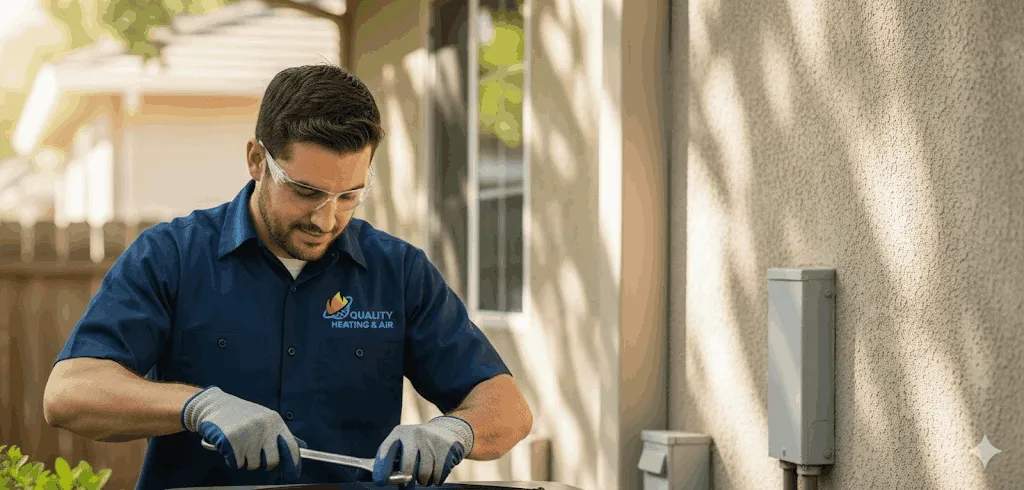
When your air conditioner struggles during a hot Superior summer or fails after a storm, you need fast, clear solutions that restore comfort and protect your investment. Air Conditioning Repair in Superior, CO focuses on diagnosing common AC problems, delivering reliable repairs, and offering emergency support so your home stays cool and safe.
Why timely AC repair matters in Superior, CO
Superior experiences warm, dry summers with occasional intense heat and storm-driven power issues. High outdoor temperatures increase system strain, while dusty, pollen-filled air and temperature swings at higher elevation can accelerate wear. Prompt repair:
- Restores comfort quickly during heat waves
- Prevents minor issues from becoming costly failures
- Improves energy efficiency and lowers utility bills
- Reduces the risk of system damage from failed compressors or refrigerant leaks
Common AC problems in Superior, CO
Here are the typical issues technicians find in local homes and what they usually mean:
- Poor airflow or weak cooling: clogged filters, blocked vents, failing blower motor, or duct leaks
- System won’t start or cycles frequently: electrical faults, bad capacitors, thermostat problems, or control board issues
- Ice on evaporator coil: low refrigerant or restricted airflow
- Refrigerant leaks or low charge: reduced cooling capacity and higher run time
- Strange noises: failing fan motor bearings, loose panels, or compressor issues
- Short cycling after storms: power surges, thermostat errors, or safety switch trips
- Uneven cooling: duct balancing issues, failing zone controls, or undersized equipment
How diagnostics are performed
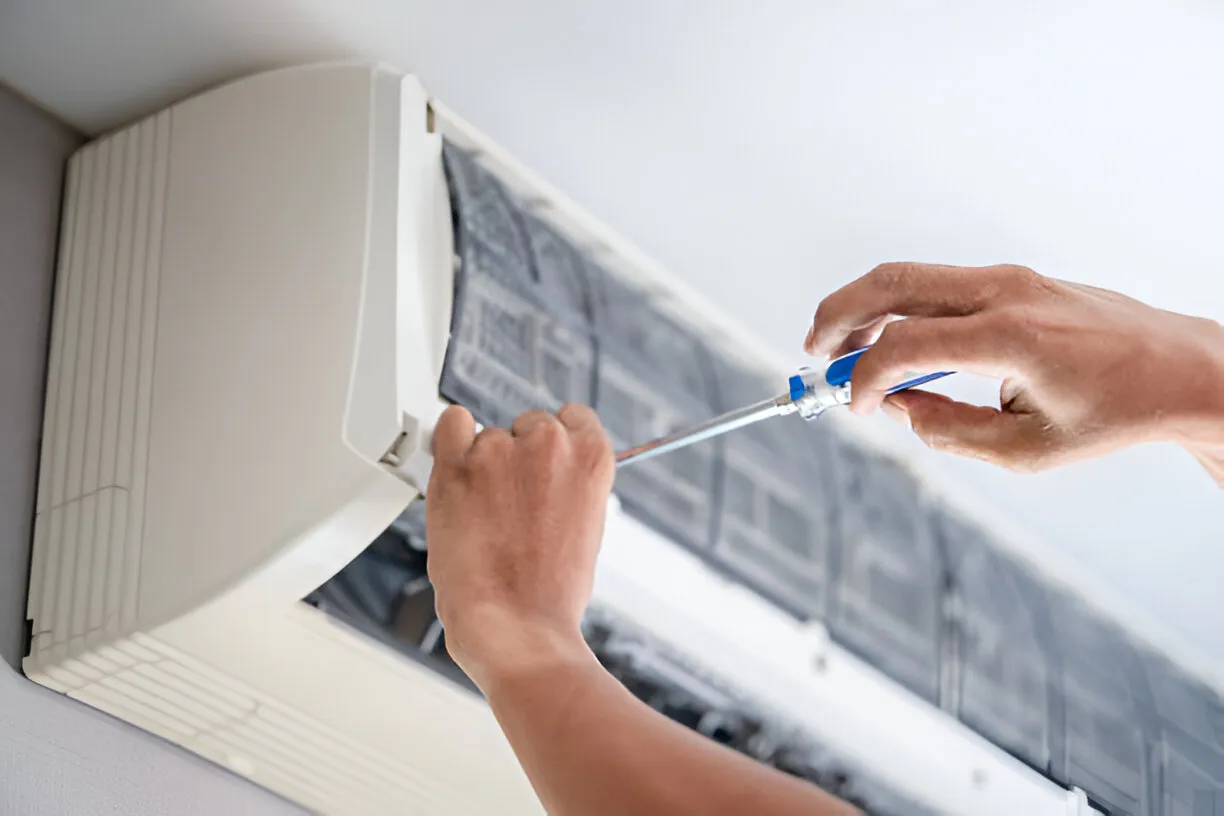
A professional diagnostic isolates the root cause efficiently so repairs are targeted and cost-effective. Typical diagnostic steps:
- Visual and safety check: inspect outdoor unit, indoor coil, and electrical panel for obvious hazards and verify power and disconnects
- Thermostat verification: confirm set points, calibration, and wiring integrity
- Airflow assessment: inspect filters, blower wheel, return and supply vents, and measure static pressure if needed
- Electrical testing: check capacitors, contactors, fuses, breakers, and control boards with a multimeter
- Refrigerant evaluation: inspect for leaks, measure pressures and superheat/subcooling, and verify proper charge
- Compressor and motor checks: evaluate amp draw, vibration, and starting components to determine if replacement is necessary
- System performance test: run a full cooling cycle, measure delta-T (temperature drop), and confirm system stability
Technicians document findings and explain options in plain language so you understand the problem and the recommended fix.
Typical repairs, parts, and labor procedures
Repair procedures vary by component and severity. Common repairs and what they involve:
- Filter and coil cleaning: remove debris and clean evaporator and condenser coils to restore airflow and heat transfer
- Capacitor and contactor replacement: quick bench-level electrical replacements that often restore starting and running reliability
- Fan motor or blower motor replacement: remove and replace motor assembly, balance fan blades, and test airflow
- Refrigerant leak repair and recharge: locate and repair leaks, evacuate and vacuum system, then recharge with the correct refrigerant and record pressures
- Compressor replacement: major job that involves recovering refrigerant, replacing compressor and associated components (receiver/drier or filter drier, contactor), brazing refrigerant lines, evacuating, and recharging
- Thermostat replacement or recalibration: install or program thermostats for accurate control and improved efficiency
- Duct sealing and repair: locate leaks, reseal joints, and improve airflow distribution
Parts are inspected and replaced with industry-standard components. Labor procedures include pre- and post-repair system testing and documentation of parts installed. Transparent estimates describe parts, labor hours, and warranty coverage for both parts and workmanship.
Emergency response and 24/7 availability
AC failures often happen at the worst times. Emergency AC repair in Superior, CO typically covers:
- Immediate health or safety risks (extreme indoor temperatures affecting vulnerable occupants)
- Complete system failure during peak heat
- Electrical hazards or refrigerant leaks
Typical response windows:
- Emergency situations: technicians aim to respond within a few hours when available, prioritizing safety and rapid cooling restoration
- Same-day urgent service: for non-life-threatening failures during business hours, same-day visits are commonly offered
- Routine or scheduled repairs: inspections and non-urgent fixes are usually scheduled within 24 to 48 hours
Technicians arrive prepared to diagnose and often provide on-the-spot repairs for common failures. For complex jobs requiring parts, temporary fixes or short-term cooling measures may be recommended until full repair can be completed.
Pricing transparency and what to expect
Transparent pricing means you receive an itemized estimate that separates diagnostic fees, parts, and labor. Typical pricing practices include:
- Clear diagnostic fee disclosure and how it applies to the final repair cost
- Itemized parts and labor line items so you know what you are paying for
- Explanation of warranty terms for parts and labor
- Options with pros and cons (repair now, temporary measures, or replacement)
Estimates focus on delivering value and longevity rather than quick fixes that lead to repeat failures.
When to repair vs replace
Deciding between repair and replacement depends on several factors:
- System age: systems under 10 years with single failures often justify repair; systems older than 12 to 15 years are more likely candidates for replacement due to efficiency losses and risk of repeated failures
- Frequency and cost of repairs: multiple repairs in a short time frame shift the balance toward replacement
- Energy efficiency and comfort needs: if higher SEER ratings or better zoning will significantly lower bills or improve comfort in Superior’s climate, replacement makes sense
- Life-safety or major component failure: compressor failure or refrigerant system damage can be costly; compare remaining expected life against replacement benefits
- Local climate considerations: Superior’s hot summers make efficient, properly sized equipment particularly valuable for longer cooling seasons
A qualified technician will provide a cost-to-fix vs. cost-to-replace analysis and recommend the option that best matches your home’s needs and budget.
Maintenance tips to reduce future repairs
Simple preventive steps extend system life and reduce emergency calls:
- Change filters every 1 to 3 months during heavy use
- Schedule seasonal tune-ups before summer and after winter
- Keep condensers clear of debris, shade them where possible without restricting airflow
- Use a programmable or smart thermostat to reduce cycling and unnecessary runtime
- Protect systems from power surges with surge protectors, especially after summer storms
- Keep attic and home insulation and sealing in good condition to reduce system load
Timely maintenance saves energy, reduces repair frequency, and preserves comfort.
Promotions
Save on seasonal system checks from a local team that treats your home like our own.

Testimonials
Neighbors trust Quality Heating & Air for honest work and fair pricing.