
Air Conditioning Installation in Superior, CO
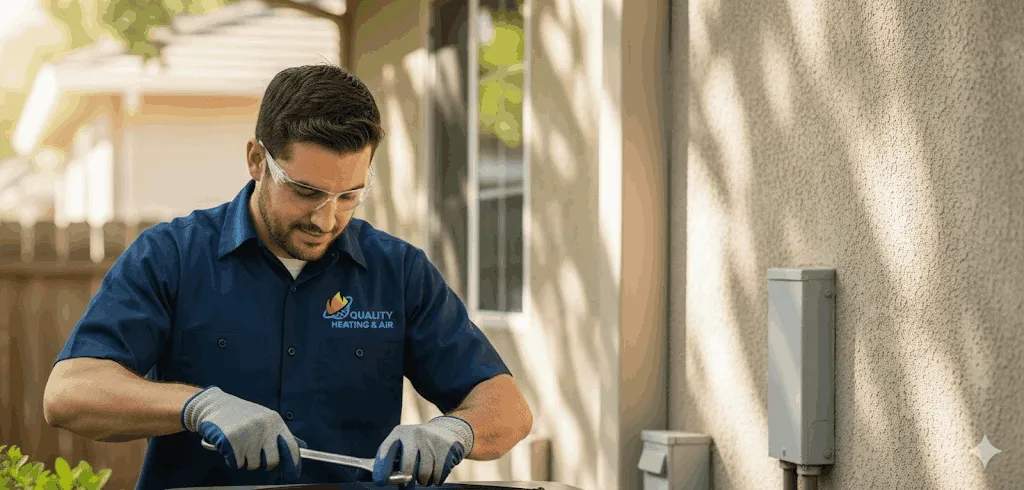
Air Conditioning Installation in Superior, CO
Upgrading to a new air conditioning system is one of the most impactful improvements you can make for comfort, energy savings, and indoor air quality in Superior, CO homes. With warm, sunny summers, wide daily temperature swings at higher elevation, and occasional wildfire smoke that affects indoor air, a properly sized, efficient AC system matters here more than in many other areas.
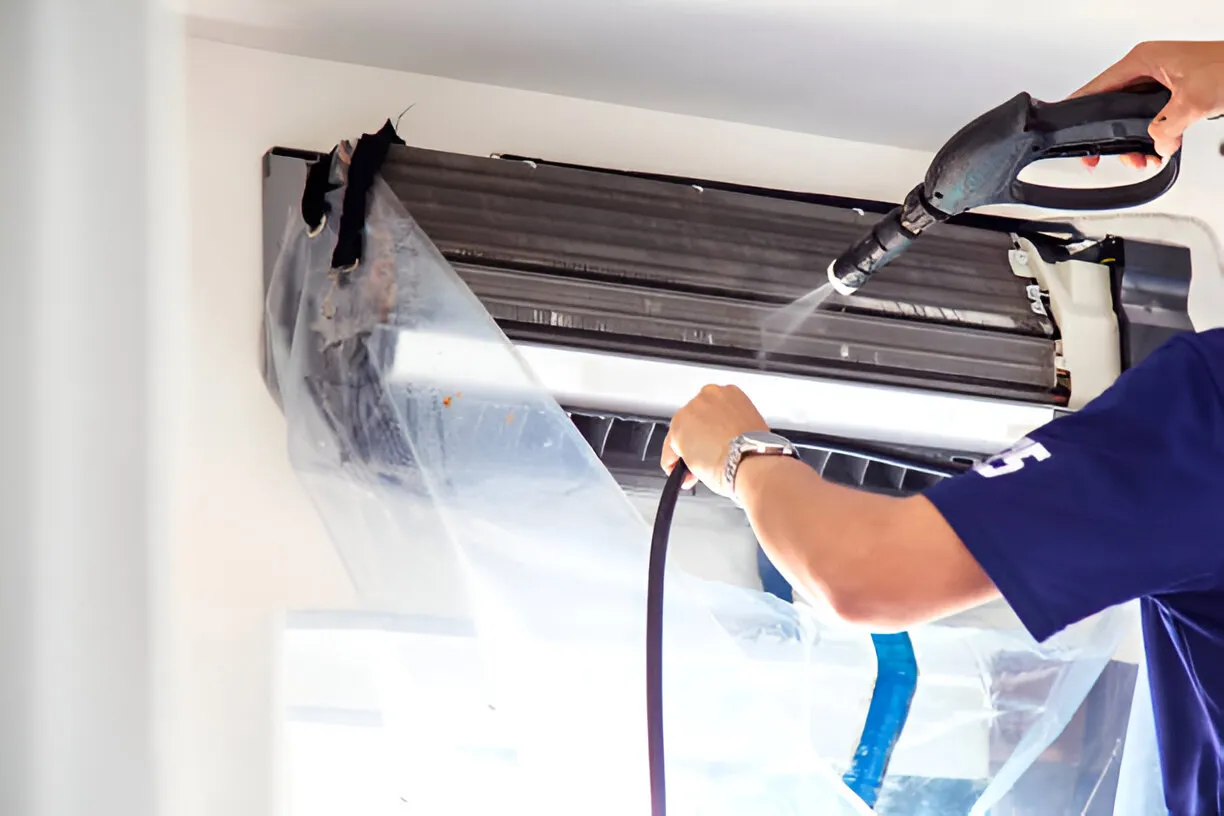
Why a proper installation matters in Superior, CO
- High elevation affects air density and system performance, so accurate load calculations matter.
- Hot afternoons and cool nights mean systems must be sized for peak cooling while avoiding short-cycling.
- Wildfire smoke episodes and regional air quality concerns make system filtration and ventilation choices important.
- Local building codes and homeowner association rules in Superior can affect equipment placement and permitting.
Common installation types and when they make sense
- Central air conditioning (split systems) for whole-home comfort and consistent airflow.
- High-efficiency packaged systems for homes with limited outdoor space or rooftop requirements.
- Ductless mini-split systems for additions, garages converted to living space, or rooms without ductwork.
- Multi-zone systems for older Superior homes with inconsistent room conditions.
Initial home assessment and load calculations
A professional installation begins with an on-site assessment, not a guess. Key steps include:
- Measuring conditioned square footage, ceiling heights, insulation levels, window sizes and orientation, and infiltration.
- Conducting Manual J load calculations to determine the actual cooling load. This accounts for Superior-specific factors like solar gain and elevation.
- Inspecting existing ductwork, attic and crawlspace access, and electrical service capacity.
- Evaluating indoor air quality needs related to wildfire smoke or allergies to recommend filtration or fresh air solutions.
Accurate load calculations prevent oversizing, which can cause short cycling, high humidity, and premature wear.
Energy-efficient unit recommendations and brand options
For Superior homeowners, energy efficiency reduces peak utility costs during hot months and supports local sustainability goals. Typical recommendations include:
- High SEER and EER rated split systems from brands such as Carrier, Trane, Lennox, Daikin, and Amana.
- Variable-speed compressors and multi-stage equipment for better dehumidification and quieter operation.
- High-performance air handlers or variable-speed furnaces matched to the outdoor unit for balanced performance.
Equipment selection will consider your home’s load, ductwork condition, budget, and desired features like smart thermostats or advanced filtration.
System sizing and ductwork considerations
- System sizing is based on the load calculation. Proper sizing avoids comfort problems and improves efficiency.
- Ductwork inspection determines whether repairs, sealing, or re-sizing are necessary. Common issues in older Superior homes include leaks, undersized returns, and poor insulation.
- If ducts are inadequate, options include duct sealing and insulation, adding returns, or choosing a ductless solution for problem areas.
- Proper airflow setup (CFM per ton) and static pressure checks are performed to ensure optimal system performance.
Step-by-step professional installation process
A quality installation follows a clear sequence to ensure safety and code compliance:
- Finalize equipment selection and verify electrical and gas capacity if replacing a furnace or air handler.
- Pull required permits with the Town of Superior or Boulder County as applicable.
- Prepare the site: level pads, install vibration isolation, and ensure proper clearances and airflow paths.
- Remove old equipment safely and dispose of refrigerant in accordance with EPA regulations.
- Install new outdoor unit and indoor air handler/ evaporator coil or ductless indoor heads.
- Make refrigerant and refrigerant line installations, brazing and insulating as needed.
- Connect and verify electrical wiring, breakers, and disconnects sized to code.
- Test refrigerant charge, airflow, and system controls, and program the thermostat.
- Perform leak checks, condensate drainage checks, and verify condensate safety switches where required.
- Conduct a final walkthrough and provide documentation on warranties and maintenance recommendations.
Permits, code compliance, and safety
Installations must comply with local building codes and state regulations:
- Permits are typically required through the Town of Superior or Boulder County depending on jurisdiction.
- Installations must meet energy code requirements (IECC-based local codes), electrical code, and refrigerant handling regulations.
- Technicians should be EPA 608 certified for refrigerant handling and follow manufacturer installation guidelines to maintain warranties.
Warranty, incentives, and financing information
- New equipment carries manufacturer warranties that vary by brand and model. Typical coverage includes parts and compressors, with options for extended warranties.
- Labor warranties from the installing contractor protect workmanship for a defined period; confirm what is included.
- Many homeowners may qualify for utility rebates or state incentives for high-efficiency equipment and smart controls. Local programs and seasonal incentives can make higher efficiency options more affordable.
- Flexible financing options are often available to spread the cost over time; financing terms and availability vary by provider.
Post-installation testing and maintenance tips
After installation, professional testing ensures peak performance:
- Verify refrigerant charge and system pressures for manufacturer specifications.
- Measure airflow, static pressure, and temperature split across the evaporator coil.
- Confirm thermostat calibration, control sequences, and safety device operation.
- Check duct leakage and insulation where modifications were made.
Maintenance recommendations to protect your investment:
- Change or clean filters regularly; consider high-efficiency filters during wildfire season.
- Schedule bi-annual tune-ups: a spring cooling check and a fall inspection for heat systems.
- Keep outdoor units clear of debris and ensure adequate airflow around the condenser.
- Monitor for unusual sounds, short cycling, or rising energy bills which can indicate a developing issue.
Benefits of a professional installation in Superior, CO
A correctly installed system delivers:
- Consistent comfort through Superior’s hot days and cool nights.
- Better humidity control and indoor air quality during wildfire and pollen seasons.
- Lower energy bills and longer equipment life through proper sizing and airflow.
- Peace of mind with code-compliant work, valid warranties, and post-installation documentation.
Choosing a professional approach that includes comprehensive assessment, accurate load calculations, proper ductwork work, and code-compliant installation ensures your new AC system performs reliably in Superior, CO conditions for years to come.
Promotions
Save on seasonal system checks from a local team that treats your home like our own.

Testimonials
Neighbors trust Quality Heating & Air for honest work and fair pricing.