
Air Conditioning Maintenance in Henderson, CO

Air Conditioning Maintenance in Henderson, CO
Keeping your air conditioning system well maintained is one of the most effective ways to avoid mid-summer breakdowns, lower energy bills, and extend equipment life. In Henderson, CO, local weather patterns—hot, sunny summers, large day-night temperature swings, seasonal dust and pollen, and occasional summer storms—place extra stress on cooling systems. Regular preventative maintenance and seasonal tune-ups tailored to these conditions ensure reliable performance when you need it most.
Common air conditioning issues in Henderson, CO
- Clogged air filters and restricted airflow from dust, pollen, and construction debris common in growing suburban areas.
- Dirty evaporator coils and condenser fins caused by dust and yard debris, reducing heat transfer.
- Low refrigerant or slow leaks leading to reduced cooling capacity and ice buildup on the evaporator coil.
- Failing capacitors or contactors from frequent cycling during hot spells and occasional power surges during thunderstorms.
- Poor thermostat calibration or improperly configured smart thermostats causing short cycling or uneven temperatures.
- Clogged condensate drains and pans that can overflow and cause water damage or foster mold growth.
Understanding these typical problems helps prioritize the inspections and tests included in a thorough maintenance program.
What a seasonal tune-up includes
A comprehensive seasonal tune-up focuses on safety, efficiency, and performance. Typical items covered in a full AC maintenance visit include:
- Visual inspection of system components, ductwork, and outdoor unit.
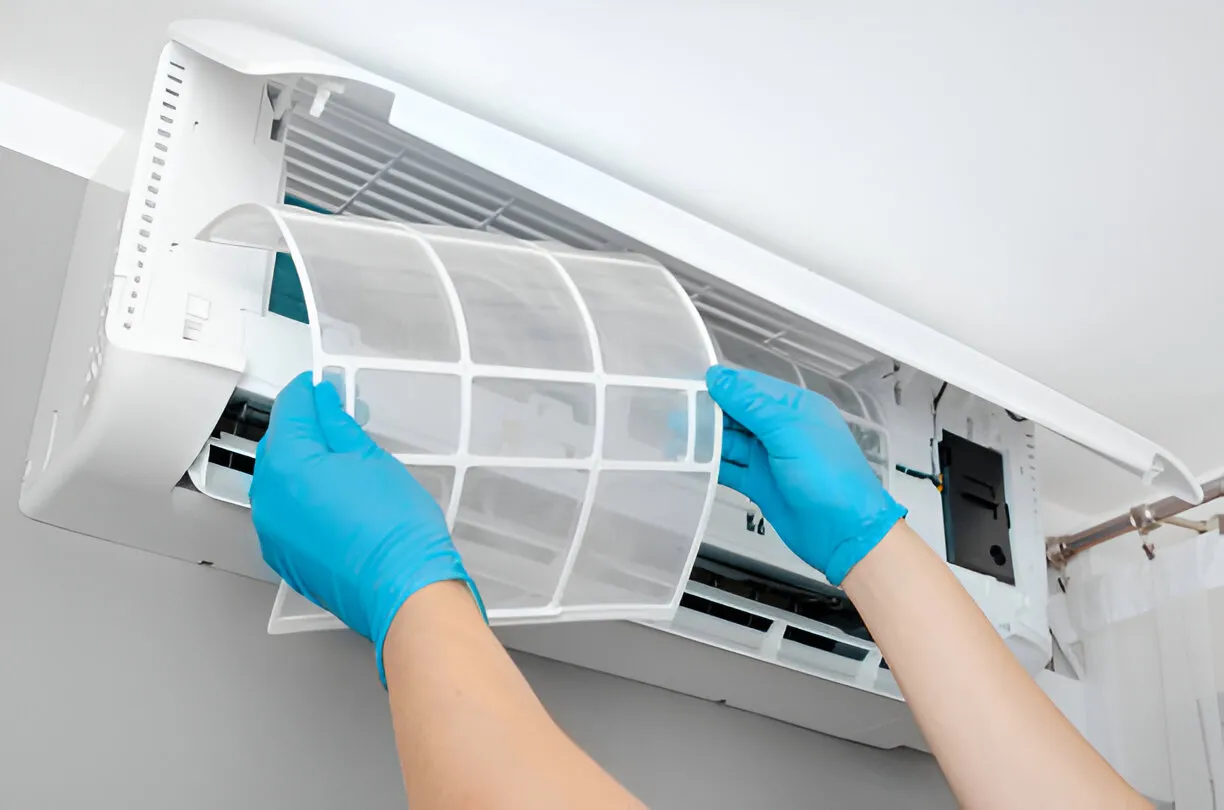
- Filter check and replacement based on your filter type and indoor air quality needs.
- Cleaning evaporator and condenser coils, straightening bent fins, and removing debris from around the outdoor unit.
- Refrigerant level check and leak inspection; measuring pressures and looking for signs of leakage or performance loss.
- Electrical inspection: testing capacitors, contactors, wiring, and connections for wear or corrosion.
- Motor and blower inspection: checking amp draw and motor operation to confirm proper airflow.
- Thermostat calibration and verification of programming or smart thermostat settings.
- Condensate drain and pan cleaning to ensure proper drainage and prevent clogs or overflow.
- System performance testing including temperature split (supply vs return), airflow assessment, and overall efficiency check.
- A written report of findings with recommended repairs or parts that may be needed soon.
Filter replacement schedule and recommendations
How often you change filters depends on the filter type and household conditions:
- Basic 1-inch disposable filters: inspect monthly and replace every 30 days during heavy use months.
- Pleated filters (better MERV ratings): generally every 60 to 90 days, depending on pets and allergens.
- Higher-efficiency filters or HEPA setups: follow manufacturer guidance, often 3 to 12 months, but check more frequently if there are pets or high pollen.
- Homes with pets, smokers, or residents with allergies may require more frequent changes to protect system components and indoor air quality.
Replacing filters on schedule preserves airflow, reduces strain on the compressor, and helps maintain energy efficiency.
Refrigerant checks, coil and condenser cleaning
Refrigerant levels and heat-exchange surfaces are central to cooling efficiency. During maintenance:
- Technicians measure refrigerant pressures to ensure the system is charged correctly for the outdoor ambient temperature.
- If pressures indicate a leak, the technician locates and documents the leak source; refrigerant repairs and recharge are handled per local codes and refrigerant type.
- Coil cleaning restores proper heat transfer; even a thin film of dirt can reduce capacity and increase run time.
- Outdoor condenser cleaning and clearing of debris improve fan efficiency and help prevent compressor overheating.
Timely coil care and refrigerant management reduce run times and lower energy consumption.
Thermostat calibration and system performance testing
Proper thermostat operation ensures your system runs only when needed and maintains comfort:
- Calibration ensures the thermostat reading matches actual room temperatures. A typical target temperature split across the evaporator coil (delta T) is roughly 16 to 22 degrees Fahrenheit; readings outside this range indicate airflow or refrigerant issues.
- Technicians test airflow and static pressure, check blower operation and measure electrical load (amp draw) to confirm motors and compressors operate within safe limits.
- Smart thermostat assessments include verifying schedules, geofencing, and remote control settings to avoid unnecessary cycling and to maximize efficiency.
Accurate controls help reduce energy waste and prevent unnecessary wear from short cycling.
Benefits of regular maintenance
- Energy savings: well-tuned systems run less and cool more efficiently, often translating to noticeably lower utility costs during peak months.
- Longer equipment life: routine care reduces stress on major components like compressors and motors, extending service life.
- Fewer breakdowns: preventive checks identify worn parts before they fail during hot weather.
- Improved comfort and indoor air quality: consistent airflow, cleaned coils, and fresh filters deliver more even temperatures and fewer airborne contaminants.
- Safer operation: electrical checks and condensate inspections reduce the risk of electrical failures or water damage.
Service agreements and preventative maintenance programs
Service agreements typically offer a structured maintenance plan tailored to your system and usage pattern. Common features include:
- Scheduled seasonal tune-ups with reminders timed for pre-summer service.
- Priority scheduling for maintenance customers during peak months.
- Discounted diagnostic rates or preferred pricing on repairs and replacement parts.
- Documented service history and written performance reports after each visit.
- Options for single-system or whole-home coverage, and add-ons for indoor air quality equipment or duct inspections.
A formal agreement makes it easier to keep up with recommended maintenance intervals and preserves warranty eligibility for many manufacturers.
What to expect during a maintenance visit and homeowner preparation
- Expect a 45 to 90 minute visit for a full AC tune-up, depending on system size and findings.
- Technician will need clear access to the indoor air handler, thermostat, and outdoor unit; please remove obstructions and secure pets.
- After inspection and testing, you will receive a concise report of work completed and any recommended repairs or parts.
- Between visits, change filters as recommended, keep outdoor unit clear of vegetation and debris, and monitor for unusual noises, odors, or performance drops.
Maintenance tips for Henderson homeowners
- Schedule a pre-summer tune-up to catch issues before high-demand weather.
- Replace filters more often during spring when pollen is high and in late summer when dust and construction activity increase.
- Shade the outdoor unit from direct afternoon sun where possible without restricting airflow to reduce stress on the compressor.
- Consider a programmable or smart thermostat to reduce runtime during unused hours while maintaining comfort when home.
Regular air conditioning maintenance in Henderson, CO, keeps your system reliable through hot summers and protects your investment. A tailored preventative maintenance program, informed filter schedule, and annual performance testing will minimize disruptions, improve comfort, and support efficient operation for years to come.
Promotions
Save on seasonal system checks from a local team that treats your home like our own.

Testimonials
Neighbors trust Quality Heating & Air for honest work and fair pricing.