
Water Heater Installation in Longmont, CO
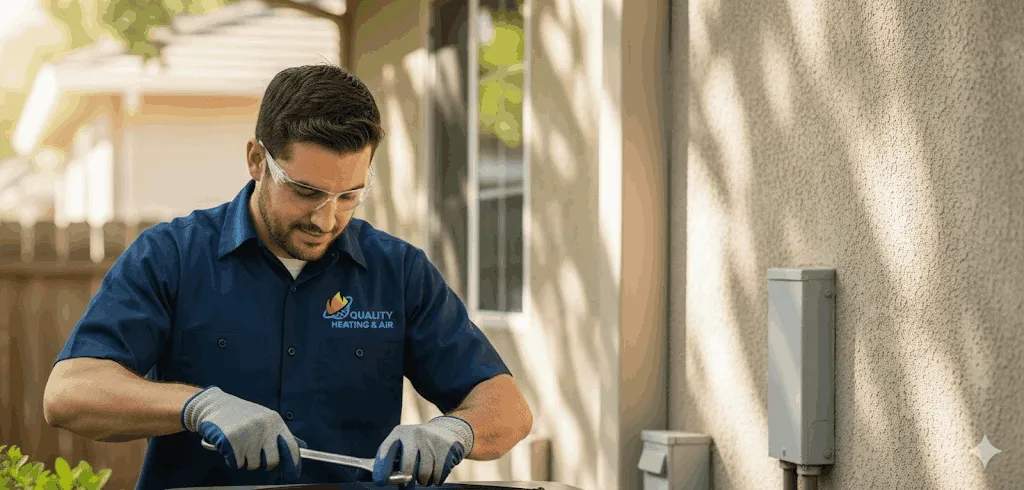
Water Heater Installation in Longmont, CO
Choosing the right water heater and getting a professional installation protects your home, improves energy efficiency, and ensures reliable hot water through Longmont winters and the region’s dry summers.
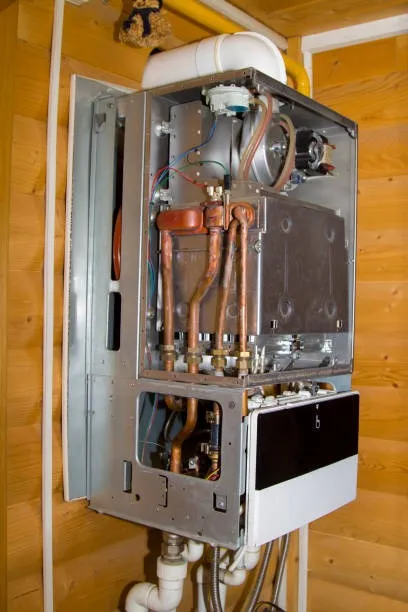
Why the right installation matters in Longmont
Longmont sits at altitude with cold winters and mineral-rich water common in the Front Range. Those factors influence performance and life expectancy of water heaters. Proper installation accounts for freeze protection, high-altitude combustion adjustments for gas units, venting clearances, and measures to reduce scaling. A professionally installed system minimizes safety risks, maximizes efficiency, and reduces unexpected repairs.
System type options: pros and cons
- Conventional tank water heaters
- Pros: Lower upfront cost, simple technology, reliable for larger peak demand.
- Cons: Standby heat loss, shorter lifespan (8 to 12 years) in hard water areas unless treated.
- Tankless (on-demand) water heaters
- Pros: Higher energy efficiency for lower overall use, compact footprint, long service life when maintained.
- Cons: Higher initial cost, may need larger gas line or electrical upgrade, limited simultaneous flow without proper sizing.
- Hybrid / Heat pump water heaters
- Pros: Excellent energy efficiency, lower operating costs in moderate climates, potential incentive eligibility.
- Cons: Higher upfront cost, require space and ambient air for heat pump operation, performance varies with ambient temperatures.
Choose type based on household hot water patterns, available utility services, and space constraints.
Sizing and household demand calculations
Correct sizing prevents shortages and reduces energy waste.
- For tank systems, sizing is driven by First Hour Rating (FHR) — consider morning peak uses such as showers and laundry. A typical 3-bedroom home often needs 40 to 50 gallon tanks, but larger households may require 50 to 80 gallon units or multiple tanks.
- For tankless systems, calculate simultaneous flow rates in gallons per minute (GPM). A home with two showers and a dishwasher might require 6 to 8 GPM. Factor in elevation and incoming water temperature; colder inlet temperatures at higher elevation mean the unit must supply a larger temperature rise.
- Hybrid/heat pump units are sized similarly to tanks but consider recovery times and space for airflow.
A professional install includes a demand assessment to recommend the right capacity.
Energy-efficiency and brand recommendations
- Prioritize models with high Energy Factor (EF) or Uniform Energy Factor (UEF) ratings. For electric heat pump water heaters, look for Energy Star designation.
- Reliable brands often recommended by industry professionals include Rheem, Bradford White, A O Smith, Navien, and Rinnai. Choose models with robust warranties and available local service parts.
- In Longmont, consider efficiency alongside freeze protection and scale mitigation features. For homes with hard water, look for corrosion-resistant tanks and replaceable anode rods or models with factory-installed scale management technologies.
Permits, code compliance, and local requirements
- Water heater replacements and new installations generally require a permit in Longmont and Boulder County jurisdictions. Permit checks ensure proper venting, combustion air, gas line sizing, discharge routing for expansion tanks and TPR valves, and seismic or strapping requirements where applicable.
- Installations must comply with local building and plumbing codes. High-altitude adjustments for gas appliances and manufacturer-required venting kits should be applied.
- A licensed installer will pull necessary permits and arrange inspections to ensure code compliance.
Installation timeline and what to expect on install day
Typical residential installs follow these steps and take between 3 and 6 hours for a straight replacement; longer if upgrades are needed.
- Arrival and site prep: technicians protect floors and lay down mats.
- Shutdown and drain: disconnect power/gas, drain old tank if present.
- Removal: remove old unit and dispose according to local regulations.
- Mounting and connections: set new unit, install venting, gas or electrical connections, water lines, pressure relief valve and discharge piping, and expansion tank if required.
- Startup and calibration: fill system, check for leaks, perform combustion analysis on gas units and verify thermostat and temperature settings.
- Walk-through: technicians explain operation and maintenance basics.
Expect some noise and water on the floor during removal and filling. Professional installers leave the work area clean and provide documentation of installed components and settings.
Cost estimates and financing or rebate options
- Typical cost ranges vary widely: standard tank replacements are generally less expensive than tankless or hybrid systems. Expect a range depending on unit type, capacity, and required upgrades such as new venting, gas line work, electrical upgrades, or water treatment.
- Longmont homeowners should explore local and regional incentives. Municipal utilities and regional energy programs sometimes offer rebates for high-efficiency electric heat pump water heaters or demand-response compatible units. Federal or state energy incentives may apply for qualifying heat pump systems; eligibility changes periodically.
- Financing options are commonly available through equipment manufacturers, third-party lenders, or contractor financing plans. A full estimate will break out equipment, labor, permit, and any upgrade costs.
Warranty, post-installation testing, and documentation
- New water heaters carry manufacturer warranties for components and tanks; labor warranties from the installer may vary. Retain all warranty paperwork and installation records.
- Post-installation testing should include:
- Pressure and leak tests
- Combustion and CO testing for gas units
- Venting and draft verification
- Temperature and thermostat verification
- System flushing and air removal
- You should receive documentation of these tests and an overview of recommended operating temperatures and maintenance intervals.
Recommended maintenance for long-term performance in Longmont
- Tank systems: annual flush to remove sediment, inspect and replace the anode rod every 3 to 5 years in hard water conditions, check TPR valve operation, and verify insulation and pipe wraps.
- Tankless systems: descaling every 6 to 12 months depending on water hardness, clean inlet filters, and inspect burner/heat exchanger.
- Heat pump/hybrid units: maintain clearance for airflow, clean filters regularly, and schedule seasonal inspections.
- Consider point-of-entry water softening or scale-reduction devices in the Longmont area to extend appliance life and maintain efficiency.
Promotions
Save on seasonal system checks from a local team that treats your home like our own.

Testimonials
Neighbors trust Quality Heating & Air for honest work and fair pricing.