
Water Heater Installation in Commerce City, CO
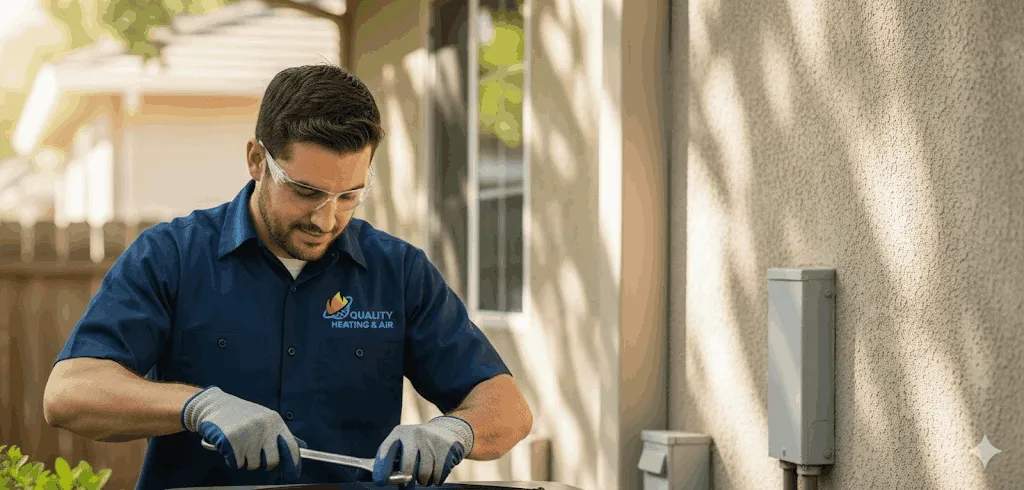
Water Heater Installation in Commerce City, CO
Replacing or upgrading a water heater is one of the most impactful home-improvement decisions for comfort, energy savings, and household reliability. For Commerce City homeowners facing cold winters, hard water, or limited space, choosing the right system and ensuring a professional installation prevents cold showers, leaks, and premature equipment failure.
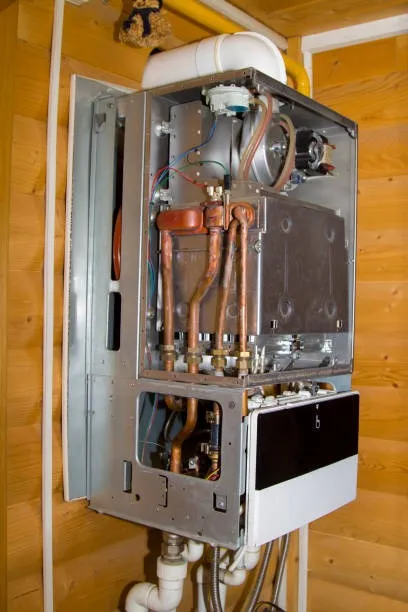
Common water heater types and common issues in Commerce City, CO
Selecting the correct type depends on household size, available utilities, and the local environment.
- Conventional tank gas or electric water heaters
- Pros: Simple, reliable, steady supply for multiple draws.
- Common issues in Commerce City: sediment buildup from mineral content, corrosion of the tank, and heat loss in cold basements.
- Tankless (on-demand) water heaters
- Pros: Continuous hot water, smaller footprint, higher energy efficiency for many households.
- Common issues in Commerce City: scale accumulation from hard water that reduces flow and efficiency, and greater importance of correctly sizing for winter temperature rise.
- Heat pump (hybrid) water heaters
- Pros: Very efficient in the right space, especially in moderate-temperature utility rooms.
- Considerations in Commerce City: performance can drop in very cold basements or unconditioned garages unless installation location is optimized.
- Indirect and solar-ready systems
- Pros: Good when paired with existing boilers or solar thermal panels.
- Considerations: Upfront complexity and space requirements.
Sizing and capacity recommendations
Sizing is critical to ensure you have hot water when you need it without wasting energy.
- Tank systems are sized by gallon capacity and first hour rating. A typical household often needs a medium-sized tank, while larger families benefit from a larger tank or dual systems.
- Tankless systems are sized by flow rate (gallons per minute) and required temperature rise. Commerce City winters mean incoming groundwater is colder, so a higher temperature rise must be accounted for when choosing a unit. Calculate peak simultaneous uses like shower plus dishwasher to determine required GPM.
- Heat pump water heaters require space and ambient air; ensure your utility room can provide adequate airflow and temperature for optimal operation.
A professional assessment in your home will evaluate showerheads, appliances, peak demand, and incoming water temperature to recommend the correct capacity.
Energy-efficiency comparisons
Energy-efficiency choice affects operating cost and environmental impact.
- Tankless units generally reduce standby losses and are more efficient for households with lower to moderate hot water demand. In Commerce City, account for the increased energy needed for larger temperature rises during winter.
- Heat pump water heaters offer the best energy savings in suitable spaces but may require supplemental heating in very cold locations.
- High-efficiency gas tanks with improved insulation and condensing technology can be a strong option where gas is readily available.
Additional efficiency steps: insulating hot water pipes, lowering thermostat settings to a safe level, and pairing with low-flow fixtures.
Local code, permits, and safety considerations in Commerce City
Installations in Commerce City must follow state and local plumbing and building codes. Typical requirements include:
- Obtaining a permit before installation, with inspection by the local building department or Adams County inspector.
- Proper venting and combustion air for gas-fired units per code.
- Installation of a temperature and pressure relief valve with an approved discharge routed to a safe location.
- Use of a drain pan and proper drain if the water heater is located in living spaces, to protect against leaks and freeze damage.
- Installation of an expansion tank if the home has a closed domestic water system.
- Electrical upgrades or dedicated circuits for electric or hybrid models in compliance with local electrical code.
- Safe sealing and weatherproofing when installing units in unconditioned spaces to avoid freeze or condensation problems.
Confirming permit requirements and scheduling inspections is part of a professional installation to keep your home compliant.
Step-by-step professional installation process
A typical professional installation follows these steps for safety and reliability.
- Pre-installation assessment of location, venting, fuel supply, and structural support.
- Removal and safe disposal of the old unit, including water and gas/electric disconnections.
- Preparation of the installation site - pans, proper clearances, and new connections.
- Installing the new unit: secure mounting, proper venting, and gas or electrical hookups per manufacturer instructions and code.
- Adding required accessories: expansion tank, seismic strapping if applicable, pressure relief piping, and drain pan.
- Filling the system, purging air, and verifying combustion and venting patterns for gas units.
- Leak checks, electrical tests, and setting thermostats and safety devices.
- Final inspection and documentation for the permit.
Technicians will follow manufacturer installation manuals to preserve warranty coverage and ensure safe operation.
Expected timelines
- A standard like-for-like tank replacement is typically completed in a single day once permits are in place.
- Tankless or hybrid installations may require longer due to venting changes, gas line upsizing, or electrical service upgrades.
- Permit and inspection scheduling can introduce additional time between installation and final sign-off.
Cost factors and what influences price
Rather than quoting numbers, consider the factors that affect total project cost:
- Choice of system type and brand, including energy-efficiency level and complexity.
- Necessary upgrades such as venting, gas line or electrical service work, and structural or plumbing modifications.
- Permit fees and inspection timelines in Commerce City.
- Accessibility of the installation location and any needed protective measures for floors or walls.
- Additional components like expansion tanks, pans, or water treatment systems to address hard water.
A detailed on-site assessment will clarify which factors apply to your home.
Warranties and manufacturer information
Most new water heaters include a manufacturer warranty on the tank or heat exchanger and separate warranties on components like burners, electronics, or control modules. Labor warranties for installation work are typically provided by the installer for a defined period. To preserve warranty coverage:
- Ensure professional, code-compliant installation.
- Register the product with the manufacturer and keep installation documentation.
- Follow required maintenance schedules outlined in the owner manual.
Post-installation testing and maintenance tips for Commerce City homes
Regular maintenance extends the life and efficiency of any water heater and is especially important in Commerce City because of mineral content and seasonal temperature swings.
- Flush tank systems annually to remove sediment.
- Inspect and test the temperature and pressure relief valve periodically.
- Check and replace the sacrificial anode rod every few years on tank units to prevent corrosion.
- For tankless units, schedule descaling or anti-scale service annually or per manufacturer guidance, especially if your home has hard water. Consider a water softener if scale is recurring.
- Keep the area around the unit free of clutter, insulate hot water lines, and verify the unit’s temperature setting is safe and efficient.
Promotions
Save on seasonal system checks from a local team that treats your home like our own.

Testimonials
Neighbors trust Quality Heating & Air for honest work and fair pricing.