
Mini-Split Replacement in Golden, CO

Mini-Split Replacement in Golden, CO
Upgrading or replacing a mini-split system in Golden, CO is a decision many homeowners face when units age, struggle with efficiency, or no longer meet changing comfort needs. Because Golden experiences hot summer afternoons, cold snowy winters, and significant daily temperature swings at higher elevation, choosing the right replacement mini-split matters for year-round comfort, energy use, and long-term reliability.
When replacement is recommended vs repair
Knowing whether to repair or replace a mini-split can save money and avoid repeated service calls. Consider replacement when any of the following apply:
- The system is more than 10–12 years old and showing declining efficiency or frequent failures.
- Repairs would cost more than 50% of a new unit’s installed value.
- The system uses R-22 or older refrigerants that are costly or restricted to service.
- Multiple major components have failed (compressor, inverter board, or heat-exchanger).
- Your home’s layout or comfort needs have changed—additional zones, remodeling, or persistent hot/cold spots.
Repair makes sense for single, low-cost issues (e.g., fan motor, control board) if the system is otherwise healthy and under warranty. For Golden homes with cold winters, replacing aging units with modern cold-climate heat pump mini-splits often delivers better performance and lower operating cost than repeated repairs.
Selecting the right-sized, energy-efficient model
Proper sizing and efficiency are the foundation of a successful replacement. Key steps include:
- Perform a Manual J load calculation to determine the correct BTU capacity per zone. Oversized units short-cycle and waste energy; undersized units struggle during peak heat or cold.
- Choose cold-climate models rated to operate efficiently at lower outdoor temperatures common in Golden winters. Look for HSPF (heating performance) and SEER or SEER2 (cooling efficiency) ratings; higher numbers mean lower operating costs.
- Consider variable-speed inverter compressors and multi-zone systems for precise temperature control and lower runtime.
- Match indoor head styles (wall cassette, floor-mounted, ductless concealed) to room layout and aesthetics.
- Verify line-set length tolerances and elevation considerations for installation at higher terrain.
Energy-efficient selections pay for themselves through lower utility bills and improved comfort—an important consideration given Colorado’s seasonal extremes.
Removal of old equipment and environmental compliance
Safe, compliant removal is critical:
- Refrigerant recovery is required by federal law. Certified technicians capture and recycle refrigerant before disposing of the outdoor condensing unit.
- Disconnect and safely cap electrical and refrigerant lines.
- Old equipment should be recycled or disposed of per state and local codes—metals and electronics are routed to appropriate recycling streams.
- If the old system contained asbestos or other hazardous materials (rare but possible in older construction), follow abatement rules.
Documenting refrigerant recovery and disposal protects homeowners and ensures local permit sign-offs proceed smoothly.
Professional installation steps
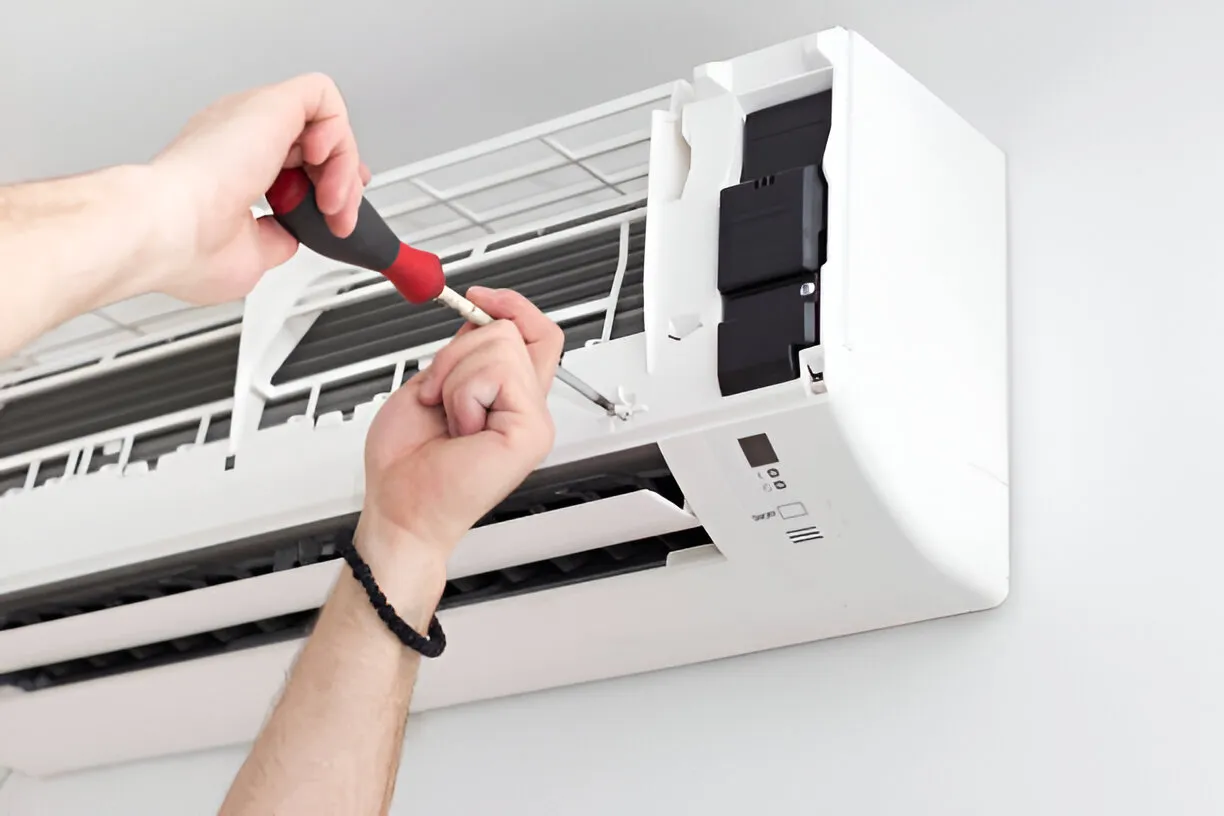
A professional mini-split replacement typically follows a consistent process:
- Site assessment and measurements, plus load calculation and system selection.
- Obtain any required permits from Golden/Jefferson County building departments.
- Remove existing equipment, recover refrigerant, and prepare mounting locations.
- Install outdoor unit on a level pad or bracket with proper clearances from snow, debris, and vegetation.
- Run refrigerant lines, condensate drain, and low-voltage wiring to each indoor head; ensure correct elevation and support.
- Evacuate the refrigerant lines to create a deep vacuum, check for leaks, and charge per manufacturer specs.
- Connect electrical supply with proper disconnects, breakers, and grounding; confirm the home’s electrical service meets unit requirements.
- Configure controls, thermostats, and/or smart integrations.
- Commission the system with performance checks: refrigerant pressures, superheat/subcooling, airflow, and heating/cooling capacity.
Each installation should adhere to manufacturer instructions and local code. Golden’s weather may require elevated outdoor unit mounting or snow guards to protect equipment.
Typical timelines
Replacement timelines vary by scope:
- Single-zone swap (one indoor head and outdoor unit): often completed in 1 day after permits and materials are ready.
- Multi-zone or complex installs (multiple indoor heads, long line-sets, electrical upgrades): commonly 1–3 days.
- Permit review and scheduling can add several days to a couple of weeks, depending on local building department workloads.
- If electrical panel upgrades or structural work is required, allow additional lead time.
Planning ahead during shoulder seasons (spring or fall) usually reduces delays compared with peak summer installation demand.
Financing and rebates specific to Colorado homeowners
Replacing a mini-split can be made more affordable through common options:
- Federal and state tax credits or rebates for heat pumps and high-efficiency equipment may be available; program details and eligibility change, so verify current incentives before purchase.
- Local utility programs (energy-efficiency rebates or midstream incentives) can offset equipment cost—check with providers serving Golden.
- Financing alternatives include low-interest installment plans, home improvement loans, and PACE financing where offered. Some manufacturers and dealers also offer promotional financing.
Evaluating incentives and financing early in the planning phase helps select the most cost-effective solution.
Post-installation testing and warranties
A thorough post-install is essential:
- Technicians should perform refrigerant charge verification, airflow measurement, electrical checks, and thermostat calibration.
- Confirm that heating and cooling modes meet expected performance at indoor setpoints.
- Provide documentation: equipment model numbers, serial numbers, refrigerant recovery certificates, and permit sign-offs.
- Warranty coverage typically includes manufacturer parts and compressor warranties; labor warranties vary by installer. Ask for written warranty terms and registration instructions to activate manufacturer coverage.
Maintaining regular service—annual inspections and coil/filter care—preserves efficiency and warranty validity.
Long-term benefits and maintenance advice
Replacing an outdated mini-split delivers measurable benefits for Golden homes:
- Improved year-round comfort with reliable heating during cold snaps and efficient cooling in summer.
- Lower energy bills through high-efficiency inverter technology and better zone control.
- Quieter operation and cleaner indoor air with modern filtration options.
- Reduced carbon footprint when switching from older, less-efficient systems.
For longevity, schedule annual preventive maintenance: clean filters, inspect drain lines, verify refrigerant levels, and test electrical connections. Small routine actions prevent larger failures and help the system operate at peak efficiency for years.
Replacing a mini-split is a technical decision with meaningful comfort and cost implications—especially in Golden, CO’s climate. Thoughtful selection, professional removal and installation, and attention to incentives and warranties will ensure a durable, efficient system matched to your home’s needs.
Promotions
Save on seasonal system checks from a local team that treats your home like our own.

Testimonials
Neighbors trust Quality Heating & Air for honest work and fair pricing.