
Mini-Split Installation in Golden, CO

Mini-Split Installation in Golden, CO
Choosing a mini-split installation in Golden, CO gives you efficient, zoned heating and cooling that fits the area’s wide seasonal swings and many older, non-ducted homes. Mini-splits (ductless heat pumps) are an ideal solution for adding conditioned comfort to single rooms, additions, finished basements, or whole-home multi-zone systems. The following explains the complete installation process, local considerations for Golden homeowners, common issues we prevent, workmanship best practices, realistic timeline expectations, qualitative cost factors, and aftercare guidance to keep your system performing at peak efficiency.
Why mini-splits make sense in Golden, CO
- Golden experiences hot summer days, cool mountain evenings, and cold winters with occasional deep freezes. A heat-pump mini-split provides efficient cooling in summer and reliable electric heat in shoulder seasons, with many models rated for Colorado winters.
- Many Golden homes are older or historic and lack existing ductwork. Mini-splits avoid invasive duct installs and preserve home character.
- High-elevation operation requires correct equipment selection and refrigerant charging practices; professional installers adjust for altitude to ensure efficient performance.
Common mini-split installation types and where they’re used
- Single-zone room additions, sunrooms, or garages that need independent temperature control.
- Multi-zone systems for whole-home comfort where each living area has its own indoor head.
- Retrofits in homes without ductwork, attic/finished basement conversions, and supplemental heating for bedrooms or finished basements.
- Combination systems paired with existing HVAC to reduce central system runtime and energy use.
Site assessment and system sizing
A precise site assessment is the foundation of a successful mini-split installation:
- Load calculation: Technicians perform a room-by-room heat loss and heat gain analysis (Manual J or equivalent) to size each indoor unit correctly. Oversizing or undersizing causes short cycling, poor humidity control, or inadequate heating in winter.
- Room usage and placement: Installers consider window sizes, ceiling height, insulation levels, sun exposure, and furniture layout to determine indoor unit style and placement.
- Outdoor unit siting: The outdoor condenser must have adequate clearances for airflow, be elevated above potential snowdrift, and avoid noise impacts to neighbors or bedrooms.
Indoor and outdoor unit placement best practices
- Indoor units are mounted for balanced airflow and comfort—high on the wall in living areas, lower placement may suit taller ceilings or specific room layouts.
- Multiple indoor units are zoned and controlled individually for precise comfort and energy savings.
- Outdoor units are mounted on pads or brackets to remain level, minimize vibration, and maintain clearance from snow, debris, and landscaping.
- Consider sun exposure and wind patterns in Golden; shield or orient outdoor units to reduce direct solar gain and heavy wind exposure without restricting airflow.
Refrigerant line, condensate, and electrical work
- Line sets: Properly sized copper line sets with high-quality brazed connections and factory flare options prevent leaks. Lines must be insulated to prevent energy loss and condensation.
- Evacuation and leak testing: The refrigerant circuit is pressure tested (often with dry nitrogen), evacuated to a deep vacuum, and then charged per manufacturer specs. At higher elevations, installers account for refrigerant performance differences.
- Condensate management: Drain lines must slope toward an approved drain or use a condensate pump where gravity drainage isn’t possible. Insulated lines prevent freeze-up and sweating.
- Electrical: Dedicated circuit sizing, disconnects, and proper grounding are installed to code. Control wiring, breakers, and surge protection are addressed to protect electronics and ensure reliable operation.
Permit expectations in Golden
- Mechanical and electrical permits are commonly required for mini-split installations. Expect local inspection of electrical work, refrigerant handling, and final installation.
- Historic districts or HOAs in Golden may have aesthetic guidelines for exterior unit placement and visible conduits; plan for approval when applicable.
- Licensed technicians typically handle permit submissions and coordinate inspections as part of a professional installation.
Installation timeline and what to expect
- Typical single-zone installs often take a single day when access is straightforward and no structural work is required.
- Multi-zone systems or installations requiring larger penetrations, electrical panel upgrades, or complex mounting can take two to three days from start to commissioning.
- Planning and permits add additional time before physical installation; scheduling inspections can affect final completion.
Qualitative cost factors and example scenarios
Rather than specific prices, consider how the following factors influence overall investment:
- System size and number of zones: Single-zone solutions are usually more economical than multi-zone whole-home systems.
- Equipment efficiency and features: Inverter-driven, cold-climate heat pumps and models with advanced controls cost more upfront but deliver better year-round efficiency.
- Installation complexity: Long line runs, difficult outdoor unit placement, panel upgrades, or custom concealment of line sets increase labor and materials.
- Home modifications: Structural work, interior finishing around wall penetrations, or HOA-required concealment solutions add to scope.These variables create distinct scenarios such as a straightforward single-room replacement, a multi-room retrofit with moderate conduit runs, or a whole-house multi-zone installation that requires additional electrical work and more complex routing.
Common installation problems to avoid
- Improper sizing that leads to short cycles or poor humidity control.
- Poor refrigerant charging or skipped evacuation procedures causing leaks or reduced capacity.
- Incorrect outdoor unit siting causing snow burial, vibration transfer, or restricted airflow.
- Inadequate condensate handling that leads to interior water damage or freeze-up.
- Electrical undersizing or missing disconnects, which create safety risks and code violations.
Aftercare, maintenance, and long-term performance
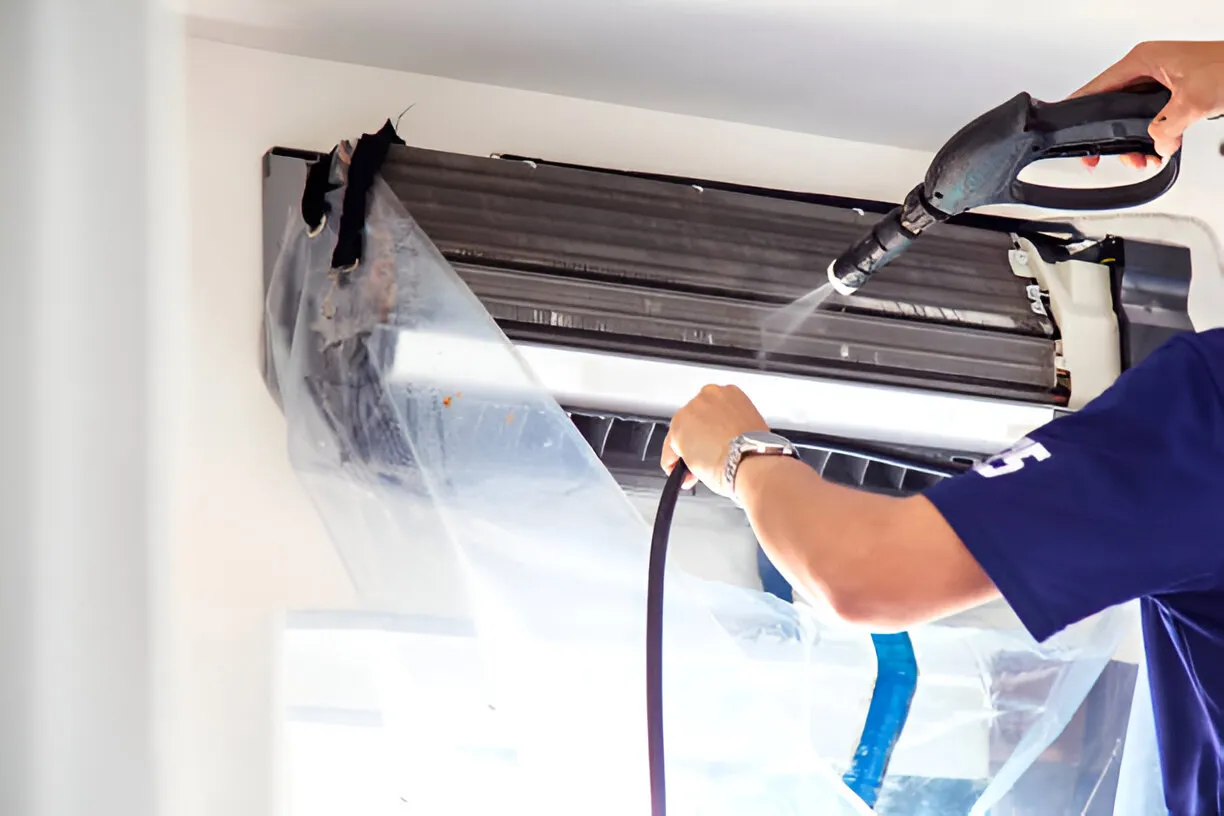
- Routine cleaning: Indoor filters should be cleaned or replaced per manufacturer guidelines every 1 to 3 months based on use. Outdoor units need seasonal debris removal and a clear 24 inch perimeter.
- Annual tune-up: A professional annual inspection verifies refrigerant charge, checks electrical connections, measures airflow, inspects condensate drainage, and tests heating performance for winter readiness.
- Winter preparation in Golden: Ensure the outdoor unit is elevated above typical snow levels, clear surrounding snow promptly, and confirm the unit’s defrost cycle operates correctly.
- Controls and commissioning: Confirm Wi-Fi setup or controller programming for schedules and zone preferences. Proper commissioning ensures each head operates as intended and the system shares refrigerant charge correctly across zones.
A properly installed mini-split system provides efficient, zoned comfort well matched to Golden’s climate and housing stock. The difference between an average installation and a reliable, long-lasting system is careful assessment, correct sizing, proper refrigerant practices, compliant electrical work, and attention to local conditions like snow, altitude, and HOA requirements. Prioritize professional planning, code-compliant permits and inspections, and a documented start-to-finish installation process to protect comfort, efficiency, and long-term value.
Promotions
Save on seasonal system checks from a local team that treats your home like our own.

Testimonials
Neighbors trust Quality Heating & Air for honest work and fair pricing.