
Mini-Split Repair in Lafayette, CO
Mini-Split Repair in Lafayette, CO
Mini-split repair in Lafayette, CO is about restoring efficient, zoned heating and cooling to homes that rely on ductless systems for comfort. In Lafayette’s high-elevation climate with hot, dry summers, sudden afternoon storms, and cold winters, a malfunctioning mini-split can quickly make a single room uncomfortable.
Common mini-split problems homeowners see in Lafayette, CO
Mini-splits are reliable, but these issues are the most common reasons people call for repairs:
- No cooling or no heating from the indoor head unit, while the outdoor compressor runs or does not run.
- Weak airflow or warm air even when the system runs, often caused by clogged filters, failing fan motors, or restricted refrigerant flow.
- Strange noises from the indoor or outdoor unit: grinding, rattling, hissing, or loud click sounds.
- Refrigerant leaks indicated by ice on the evaporator coil, oily residue on line sets, or the system short-cycling.
- Outdoor compressor faults: failure to start, frequent short cycling, or tripping breakers due to electrical or capacitor issues.
- Electrical faults: blown fuses, tripped breakers, malfunctioning control boards, or communication errors between indoor and outdoor units.
- Drainage problems: condensate backing up, causing water stains or indoor unit shutdowns.
- Sensor or thermostat errors causing incorrect temperature readings and uneven comfort.
These symptoms may present differently in Lafayette homes because of seasonal extremes: low overnight temperatures can expose weak defrost cycles in winter, while summer dust and occasional wildfire smoke can accelerate filter and coil fouling.
How technicians diagnose mini-split issues
A reliable diagnostic process separates temporary fixes from necessary repairs. Typical diagnostic steps include:
- Visual inspection of indoor and outdoor units for debris, damage, or signs of leaking refrigerant.
- Check of air filters, coil cleanliness, and proper airflow across the indoor evaporator.
- Electrical testing: verifying voltage to the outdoor unit, testing capacitors, contactors, and motor windings, and checking control board status LEDs or fault codes.
- Refrigerant system evaluation: measuring pressures with gauges, verifying refrigerant type, and performing a leak test if pressures are off.
- Temperature differentials: comparing return and supply temperatures to judge cooling/heating performance.
- Communication and sensor checks: confirming indoor sensors and wireless controls are responding correctly.
- Condensate system inspection: ensuring drains and traps are clear and the condensate pump (if present) operates.
Technicians often combine these steps on-site to produce a clear diagnosis and recommended scope of work that prioritizes safety and long-term reliability.
Typical repair methods and parts
Mini-split repairs range from simple maintenance to major component replacement. Common repairs and parts include:
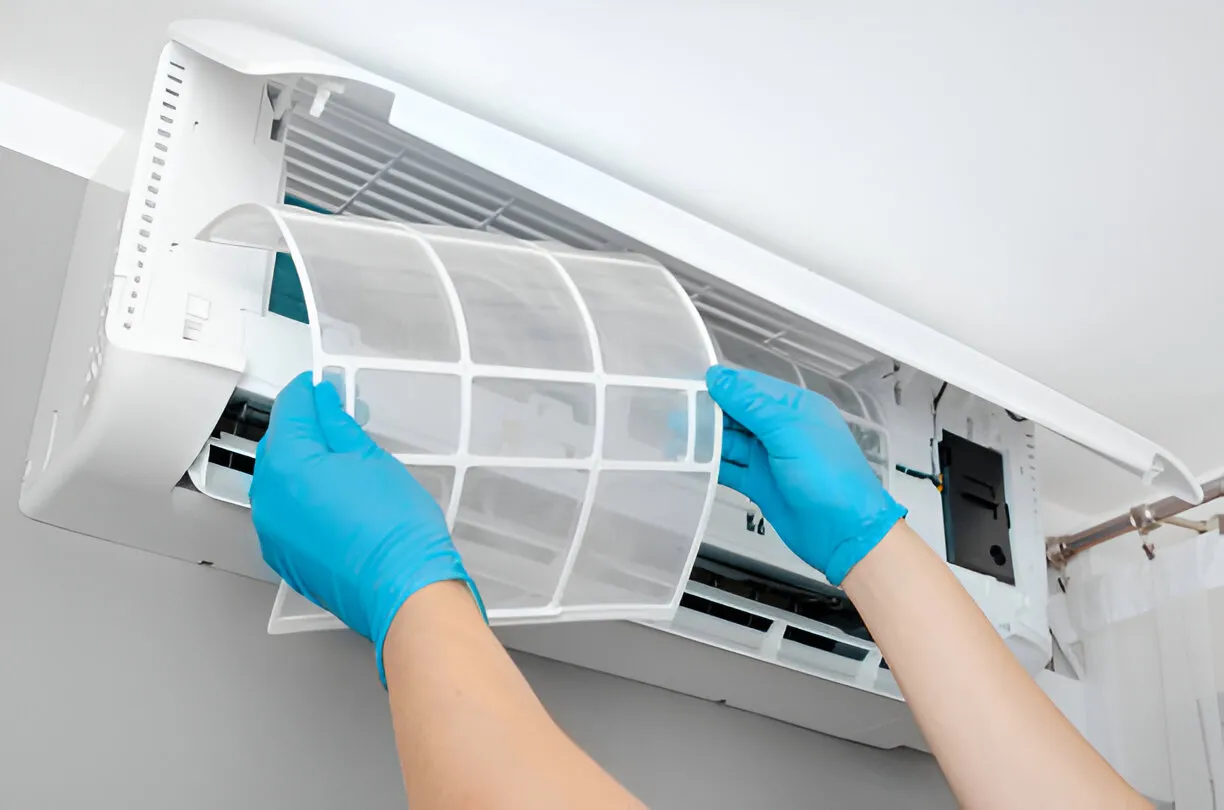
- Cleaning or replacing indoor filters and cleaning coils to restore airflow and efficiency.
- Repairing or replacing fan motors and blower assemblies in the indoor head.
- Replacing start/run capacitors, contactors, or relays on the outdoor unit to address start-up failures.
- Repairing refrigerant leaks and recharging to the correct refrigerant charge; replacing defective line set components or service valves when required.
- Replacing expansion valves, reversing valves, or metering devices that cause poor cooling or heating performance.
- Controller and PCB repairs or upgrades when faulty electronics cause erratic operation or communication faults.
- Compressor replacement for seized or repeatedly failing compressors, including proper evacuation and recharging.
- Clearing or replacing condensate drains and repairing or replacing condensate pumps.
- Replacing sensors and thermostats for accurate temperature control.
When refrigerant leaks are found, technicians follow EPA guidelines for recovery and repair. Older systems using phased-out refrigerants may require retrofit or replacement guidance.
Emergency response and typical turnaround times
Mini-split failures that leave rooms without heat in winter or without cooling in summer can require rapid attention. Local technicians serving Lafayette commonly offer prioritized same-day or next-day emergency service for life-safety or severe comfort failures. Typical turnaround expectations:
- Diagnostic visit: often completed within a few hours on-site to determine the issue.
- Minor repairs (filters, fan motor, capacitor): can frequently be completed during the diagnostic visit if parts are available.
- Moderate repairs (valve replacement, refrigerant recharge, electrical component swap): often completed within 24 to 72 hours depending on parts availability.
- Major repairs (compressor replacement or extensive refrigerant line work): may require ordering parts and scheduling a separate installation, extending turnaround to several days.
Response times are influenced by parts availability, the age and make of the mini-split, and seasonal demand. Lafayette’s proximity to Denver and regional suppliers typically enables faster parts delivery than more remote mountain towns.
Warranty and pricing considerations
Warranty coverage and pricing vary significantly by manufacturer, installer, and the type of repair needed. Common warranty notes to consider:
- Manufacturer warranties often cover compressors and some major components for set periods; labor warranties from service providers commonly cover workmanship for a limited time after repair.
- Repairs on systems still under manufacturer warranty may require using authorized service procedures to preserve coverage.
- Diagnostic fees are standard industry practice and are applied toward repair work if performed.
- Pricing is influenced by labor intensity, part cost, refrigerant type, and whether the job requires system evacuation or major component replacement.
- For older units or those using older refrigerants, repair costs and parts availability can be higher; in those cases a cost-versus-replace evaluation is prudent.
Homeowners should ask for a clear written estimate that lists parts, labor, and warranty terms before work begins.
Preventing future breakdowns in Lafayette homes
A few proactive steps reduce the likelihood of future mini-split failures, especially given Lafayette’s climate conditions:
- Schedule annual preventive maintenance before peak seasons: cooling check in spring and heating/defrost check in fall.
- Keep indoor filters clean and replace per manufacturer recommendations to reduce strain on the blower and coil.
- Protect outdoor units from debris, snow drift, and hail by maintaining clearance and considering a protective screen that does not restrict airflow.
- Insulate line sets and check insulation integrity, which is especially important with large temperature swings between day and night.
- Install a surge protector to safeguard control boards from lightning and storm-related voltage spikes.
- Clear vegetation and maintain a 2 to 3 foot clearance around outdoor units for proper airflow and easy access.
Regular, documented maintenance both prolongs equipment life and preserves warranty eligibility.
Promotions
Save on seasonal system checks from a local team that treats your home like our own.

Testimonials
Neighbors trust Quality Heating & Air for honest work and fair pricing.