
Mini-Split Maintenance in Lafayette, CO

Mini-Split Maintenance in Lafayette, CO
Mini-split maintenance in Lafayette, CO keeps ductless systems running efficiently through Colorado’s wide temperature swings, dusty plains winds, and high-sun summers. Regular tune-ups reduce breakdowns, restore full heating and cooling capacity, and protect your investment so your home stays comfortable year round without surprise repairs. If your mini-split serves a single room, an addition, or your whole home, predictable preventive care is the difference between steady performance and costly emergency fixes.
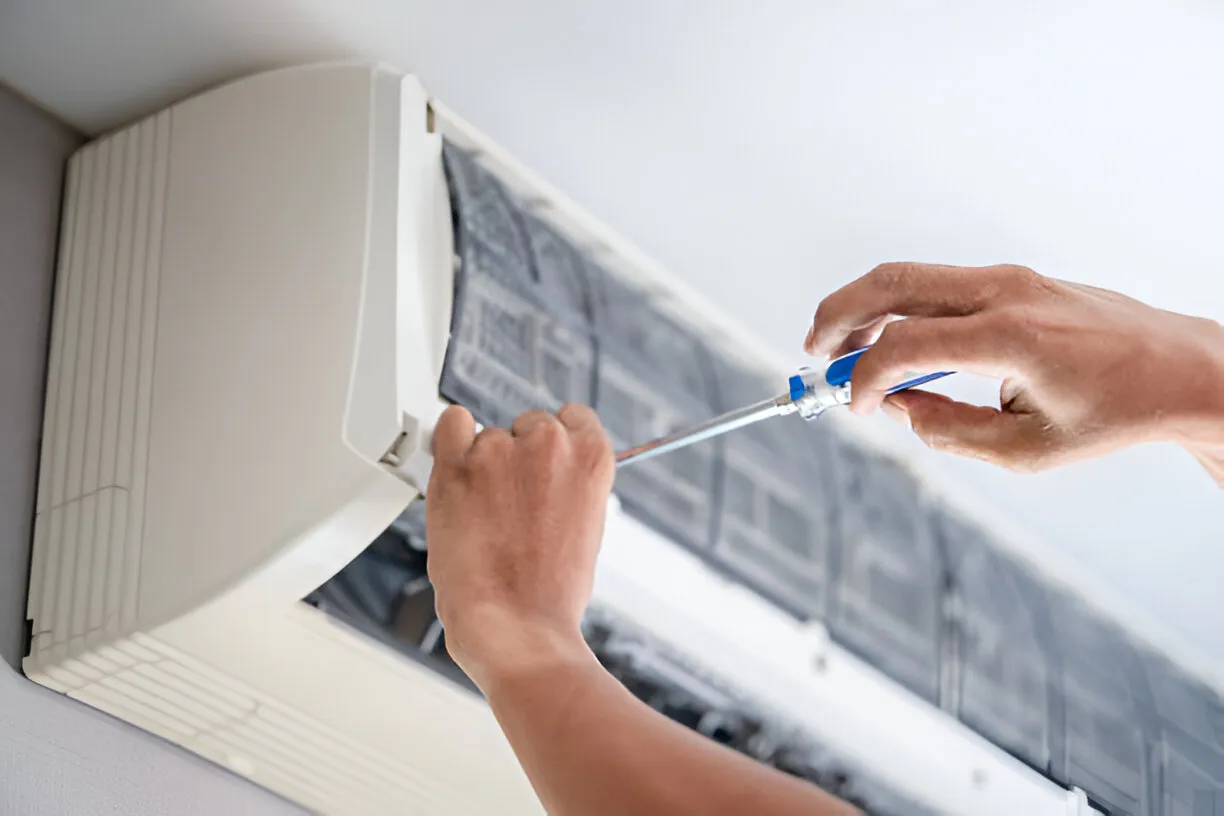
Why mini-split maintenance matters in Lafayette, CO
Lafayette’s Front Range climate stresses HVAC equipment in a few predictable ways:
- Hot, sunny summers mean extended cooling runtimes and higher refrigerant stress.
- Dry, windy conditions carry dust and pollen that quickly clog filters and coils.
- Large daily temperature swings increase thermal expansion cycles on electrical and refrigerant components.
Those local conditions make regular filter and coil cleaning, refrigerant checks, and electrical inspections essential to maintain efficiency, indoor air quality, and component life.
Common mini-split issues in Lafayette homes
Homeowners in Lafayette often see the same performance problems that signal it is time for maintenance:
- Weak airflow or uneven room temperatures due to clogged filters or blocked indoor units.
- Higher energy bills from restricted airflow, dirty coils, or low refrigerant charge.
- Short cycling or frequent on/off behavior caused by sensor or thermostat miscalibration.
- Water leaks or standing condensate from clogged drain lines or pans.
- Noisy operation from loose fan blades, worn motors, or debris in the outdoor unit.
- Reduced heating capacity in shoulder seasons when refrigerant or reversing valves need attention.
What a seasonal mini-split tune-up includes
A comprehensive mini-split tune-up addresses the most common failure points and restores system balance. Typical seasonal maintenance covers:
- Visual system assessment
- Inspect indoor heads, outdoor condenser, line sets, and mounting hardware for damage or wear.
- Filter cleaning and/or replacement
- Remove, wash, and dry reusable filters; recommend replacements when needed to restore airflow.
- Coil cleaning
- Clean indoor evaporator and outdoor condenser coils to improve heat transfer and efficiency.
- Refrigerant level check
- Evaluate operating pressures and temperatures to identify leaks or improper charge.
- Electrical and safety inspection
- Tighten connections, inspect fuses and contactors, and verify safe operation of electrical components.
- Airflow and fan checks
- Measure airflow, test indoor and outdoor fans, and clear obstructions to restore proper circulation.
- Thermostat and sensor calibration
- Verify remote or wall control accuracy and adjust setpoints for correct on/off behavior.
- Drain line and condensate inspection
- Remove blockages, flush lines, and check condensate pans to prevent water damage and mold.
- Line set insulation and outdoor clearance
- Inspect and rewrap insulation as needed and ensure outdoor unit has proper airflow and protection.
- Operational performance test
- Run the system through cooling and heating cycles to confirm stable temperatures, pressures, and noise levels.
- Maintenance report
- Provide a documented checklist of findings, any minor repairs performed, and recommended follow-ups.
How preventive maintenance solves the problems
Preventive maintenance restores capacity and reduces energy use by addressing root causes:
- Cleaner filters and coils allow the system to move air and transfer heat more effectively, lowering runtime and energy consumption.
- Early detection of refrigerant loss prevents compressor damage and preserves full heating and cooling output.
- Tight electrical connections and component checks reduce risk of failures that lead to costly emergency service.
- Drain and condensate care prevent water damage and indoor air quality problems associated with mold and bacteria.
- Thermostat calibration and airflow balancing eliminate short cycling and temperature swings, improving comfort and reducing stress on the system.
Recommended maintenance frequency for Lafayette homes
- Full seasonal tune-ups: twice a year, ideally in spring (before heavy cooling) and fall (before heating season). This timing addresses both cooling loads and winter heating demands typical of Lafayette.
- Filter checks: every 1 to 3 months depending on home occupancy, pets, and local dust levels. In Lafayette’s dusty months, more frequent cleaning is common.
- Additional checks: after any storm, construction in or near the home, or if you notice reduced performance, unusual noises, leaks, or higher-than-normal energy bills.
Typical diagnostic steps technicians perform
When diagnosing issues during a maintenance visit, technicians follow a consistent, nondestructive process:
- Confirm owner observations and system history.
- Perform a visual sweep of all indoor heads and outdoor unit.
- Clean filters and inspect coils while measuring static pressure and airflow.
- Measure refrigerant pressures and superheat/subcooling as applicable.
- Inspect electrical components under load and verify safe voltages.
- Run performance cycles and compare measured temperatures and pressures to manufacturer specifications.
- Document findings and explain recommended repairs or parts needed.
What to expect if repairs are required
Minor repairs are often handled during the same visit when technicians carry common replacement parts. Examples:
- Replacing filters, drain hoses, or small electrical components.
- Repairing or replacing fan motors or capacitors that show wear.
- Rewrapping line set insulation or securing mounting hardware.More complex issues like refrigerant leaks, compressor failures, or major control board replacements are identified during the tune-up and scheduled for repair with a clear scope of work and parts list.
Service agreements and enrollment explained
A service agreement makes maintenance predictable and often more cost-effective. Standard elements of a mini-split maintenance agreement for Lafayette homes typically include:
- Two scheduled seasonal tune-ups per year timed for peak cooling and heating readiness.
- Priority scheduling for repair visits during busy seasons.
- Regular documented inspections and maintenance records to protect warranties.
- Defined inclusions such as filter cleanings, system diagnostics, and basic adjustments.Enrollment is straightforward: choose the level of coverage that fits the number of indoor heads and desired response options, set preferred service windows, and receive a maintenance schedule and documentation for your records.
Long-term benefits of on-schedule maintenance
Keeping mini-splits on a regular maintenance plan yields measurable benefits:
- Better energy efficiency and lower monthly utility costs.
- Extended equipment life and delayed need for full system replacement.
- More reliable comfort with fewer emergency repairs.
- Improved indoor air quality through clean filters and coils.
- Documentation that supports warranty claims and home resale value.
Proper mini-split maintenance in Lafayette, CO protects performance against the area’s dust, temperature swings, and seasonal extremes. Regular tune-ups and a clear maintenance plan ensure your ductless system delivers efficient, quiet, and dependable comfort throughout the year.
Promotions
Save on seasonal system checks from a local team that treats your home like our own.

Testimonials
Neighbors trust Quality Heating & Air for honest work and fair pricing.