
Mini-Split Installation in Henderson, CO

Mini-Split Installation in Henderson, CO
Mini-split installation in Henderson, CO provides a fast, energy-efficient way to add targeted heating and cooling without ductwork. For Henderson homes—where hot summer afternoons alternate with cold, dry winters and higher elevation affects system behavior—proper site assessment, equipment selection, and an experienced installation process are essential for reliable comfort and peak efficiency.
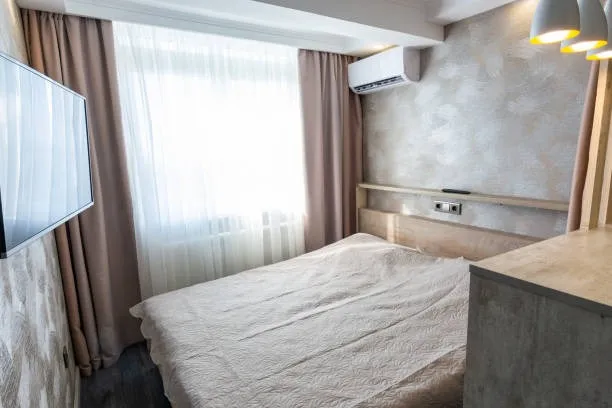
Why choose a mini-split for Henderson homes
- Ductless zoning reduces wasted energy in homes without existing ductwork or where room-by-room control is desired.
- Inverter-driven heat pump models provide both efficient cooling and heating through shoulder seasons, conserving energy in a climate with big daily swings.
- Compact indoor heads and minimal exterior footprint fit well on homes with limited yard space or strict landscaping/HOA rules common in the area.
Common mini-split types and issues in Henderson, CO
- Single-zone wall-mounted systems for one room or addition.
- Multi-zone systems (2–8 heads) for whole-home zoning without ducts.
- Floor or ceiling cassette heads for tight aesthetic or ceiling-plenum requirements.
- Typical local issues: inadequate sizing for high-ceiling rooms, improper outdoor unit siting that increases noise or limits airflow, insufficient insulation on line-sets leading to performance loss, and systems not adjusted for elevation or low-ambient heating needs.
Pre-install: site assessment and load calculation
A proper mini-split installation begins with a thorough site assessment:
- Room-by-room load calculation (Manual J principles) to size each indoor head correctly, accounting for sun exposure, ceiling height, insulation levels, window types, and occupancy.
- Inspect potential indoor head locations for airflow, furniture placement, and wall structure.
- Evaluate outdoor installation options for airflow clearance, noise from neighbors, sun and snow exposure, and access for maintenance.
- Consider elevation and climate: Henderson’s altitude and dry air affect heat transfer, so technicians use manufacturer guidance and precise calculations to set refrigerant and performance targets.
Placement, line-set routing, and mounting considerations
- Indoor head placement: positioned for even distribution, above doors or high on a wall for wall-mounted heads, with 6–12 inches of clearance from the ceiling and unobstructed airflow.
- Outdoor unit placement: on concrete pad or vibration-isolating bracket, placed to avoid snow drifts, shaded when possible, and with required clearances for service and airflow.
- Line-set routing: run through a small 2–3 inch hole with a sleeve; route inside walls, attic, or a chase to minimize visual impact. Proper insulation and protective conduit protect against Colorado’s temperature extremes and UV exposure.
- Condensate management: gravity drain or condensate pump routed to an approved outlet; in freezing conditions, ensure freeze protection or heated condensate lines where required.
Electrical and mounting requirements
- Dedicated circuit sized per manufacturer specifications with proper breaker type and disconnect location per local electrical code.
- Wiring, conduit, and disconnect must meet NEC requirements and local amendments; technicians verify panel capacity and add subpanels or upgrades when needed.
- Secure mounting of indoor units to studs or properly attached anchors; outdoor units anchored to prevent movement and reduce vibration transmission into the structure.
Refrigerant charging and system startup
- Evacuate the system to the manufacturer-recommended vacuum level, perform a leak test, and charge according to the manufacturer’s specified method.
- Charging may be done by weight (preferred when specified) or by measuring superheat/subcooling; technicians adjust targets for altitude and ambient conditions per manufacturer guidance for Henderson area elevations.
- System startup includes verifying line-set insulation, checking electrical connections, and confirming controls and remote connectivity.
- Low-ambient or cold-climate models are selected when reliable heat down to very low temperatures is needed.
Permit, code, and HOA considerations
- Most installations require a building and/or electrical permit from the local municipality or county; permits ensure compliance with safety, electrical, and refrigeration handling codes.
- Local codes may specify setback, noise limits, and condenser pad requirements. Technicians coordinate with the local building department to meet inspection standards.
- Homeowners with HOAs should verify aesthetic or external equipment rules in advance; options like condenser screening, remote-mounted units, or specific mounting heights can help meet HOA guidelines.
Post-installation testing and commissioning
- Performance checks: measure supply and return air temperatures, verify expected temperature rise/fall, and confirm proper airflow.
- Refrigeration verification: record operating pressures and temperatures, superheat/subcooling values, and compare to manufacturer target ranges.
- Electrical verification: confirm proper voltage, amp draw, and correct breaker sizing.
- System balancing and controls: set timers, thermostats, and zoning schedules; connect Wi-Fi controls or smart thermostats when available.
- Customer orientation: technicians explain system operation, maintenance basics (filter cleaning, app use), and warranty documentation.
Brand options and model selection guidance
- Consider proven ductless manufacturers that offer cold-climate performance, inverter technology, and strong parts warranties: top mini-split brands include Daikin, Mitsubishi, Fujitsu, LG, and other major HVAC manufacturers. Local dealer networks and serviceability are important when choosing a brand.
- Selection factors:
- Proper capacity per the room load calculation (oversizing can cause humidity and short-cycling issues).
- Seasonal efficiency ratings (SEER2, HSPF2) and low-ambient heating capability.
- Inverter compressor technology for variable speed operation and quieter performance.
- Warranty coverage and local service availability for replacement parts.
- Aesthetic options (slim wall heads, concealed ducts, floor consoles) to suit the home’s interior.
What to expect on installation day in Henderson, CO
- Arrival and overview: technicians arrive with tools and materials, review the planned layout, and confirm access and staging areas.
- Typical timeline: single-zone installs often complete in a day; multi-zone or more complex retrofits may take one to two days.
- Worksite protection: floor coverings and drop cloths to protect interiors; containment when drilling through walls or working in living spaces.
- Noise and disruption: moderate while drilling, mounting, and running line-sets; outdoor unit placement and pad work create short-term exterior noise.
- Final walkthrough: technicians test the system, demonstrate controls, leave operating instructions and warranty information, and review basic maintenance tasks.
Benefits and maintenance tips
- Benefits include targeted comfort, lower energy use for zoned spaces, and straightforward installation in homes without ducts.
- Simple homeowner maintenance: routinely clean or replace filters, keep outdoor unit clear of snow and debris, and schedule annual professional tune-ups including electrical checks and refrigerant verification.
- In Henderson’s climate, choose models rated for low-ambient heating and maintain proper insulation to maximize efficiency and comfort year-round.
A properly installed mini-split in Henderson, CO delivers efficient, reliable comfort when designed and commissioned to local climate and elevation realities. Understanding the installation steps, permit needs, and what to expect on install day helps homeowners make informed decisions and ensures long-term system performance.
Promotions
Save on seasonal system checks from a local team that treats your home like our own.

Testimonials
Neighbors trust Quality Heating & Air for honest work and fair pricing.