
Furnace Service in Henderson, CO
Furnace Service in Henderson, CO
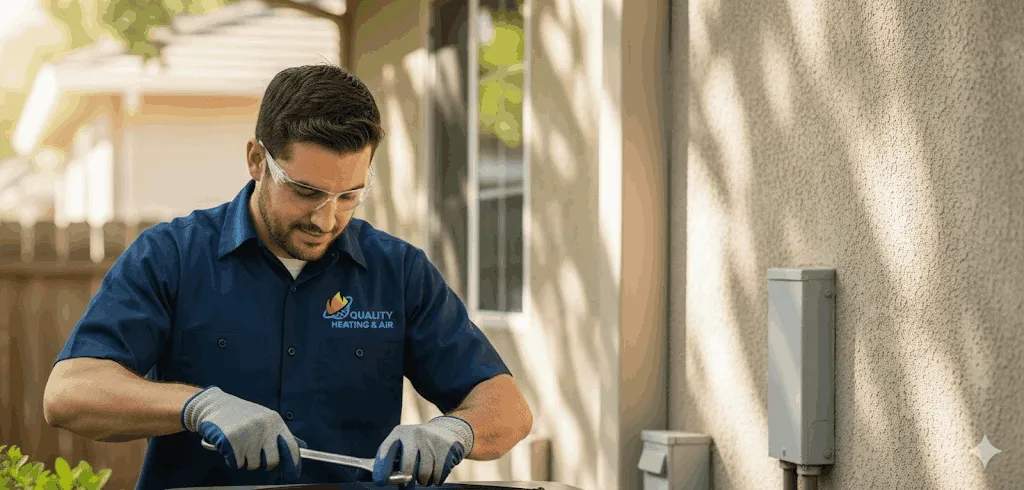
When winter hits the Front Range, a reliable furnace is essential for comfort, safety, and protecting your home. Furnace Service in Henderson, CO focuses on the full suite of heating solutions homeowners need at the decision stage: installation, repair, maintenance, emergency response, diagnostics, parts replacement, and ongoing service plans.
Why local furnace service matters in Henderson, CO
Henderson and the surrounding Adams County neighborhoods face wide temperature swings, cold high‑altitude nights, and seasonal dust and wildfire smoke that affect indoor air quality and system performance. Furnaces here often work hard during early fall and late spring temperature drops, and altitude can slightly change combustion behavior in gas systems. Local technicians understand these regional influences and tune systems accordingly for reliable heat, safe operation, and better efficiency.
Common furnace issues in Henderson, CO homes
- Uneven heating or short cycling: Often caused by incorrect sizing, thermostat problems, clogged filters, or duct restrictions.
- No heat or intermittent ignition: Faulty igniters, pilot issues, or gas supply interruptions.
- Weak airflow or noisy blower: Worn blower motors, loose belts, or dirty blower wheels.
- Increased energy bills: Poor combustion efficiency, failing components, or a need for a modern high-efficiency replacement.
- Strange odors or soot: Improper combustion, clogged burners, or lack of venting—safety concerns.
- Carbon monoxide alarms or suspected leaks: Requires immediate attention and safety protocols.
- Frequent pilot outages or flame instability: Could indicate burner, gas valve, or venting problems.
Furnace services offered in Henderson, CO
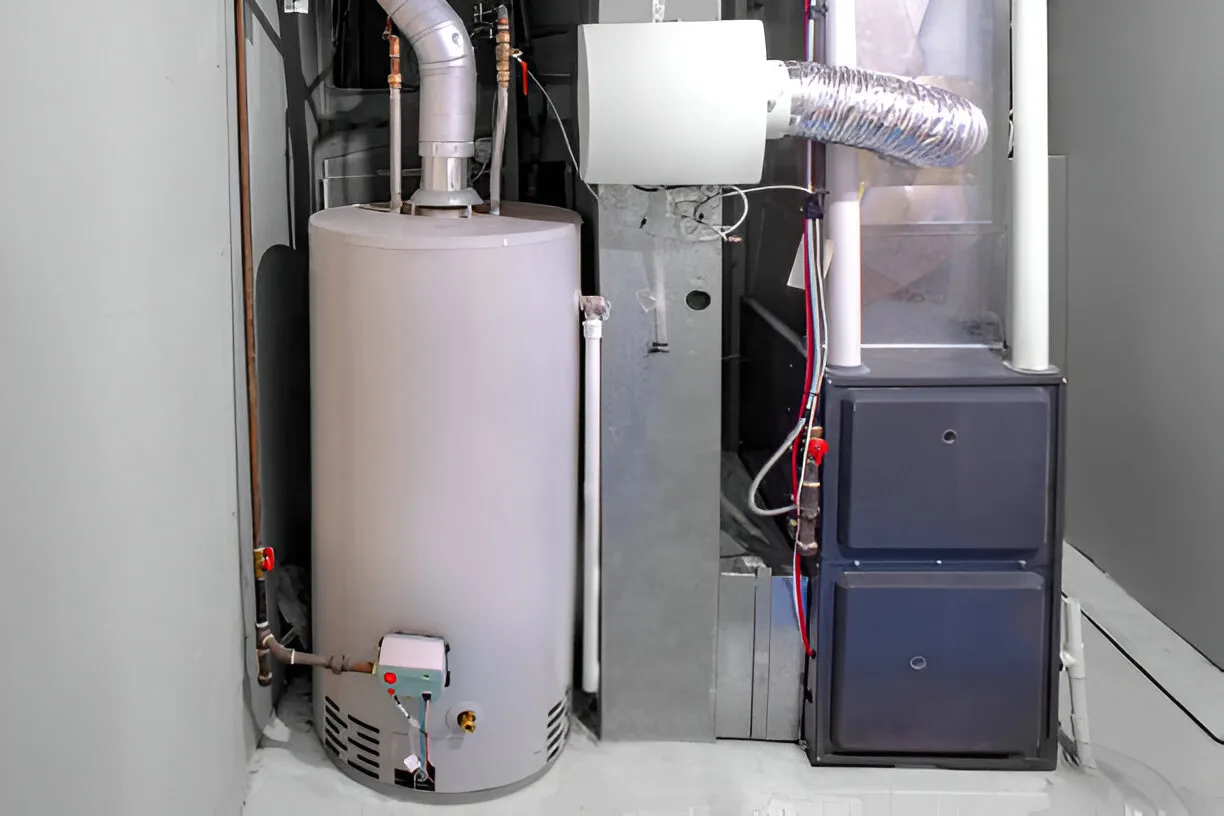
- Installation: System selection (correct sizing for local climate and home layout), permit considerations, professional duct matching, and code-compliant setup for gas, electric, and heat pump furnaces. Installations include initial safety checks and calibration for optimal performance at altitude.
- Repair: Diagnosis and replacement of failed components—igniters, burners, gas valves, control boards, thermostats, motors, belts, and safety switches—using manufacturer‑recommended parts and repair practices.
- Maintenance and tune-ups: Biannual or annual cleaning and inspection including filter check, burner cleaning, flame and combustion inspection, heat exchanger visual check, blower inspection and lubrication, thermostat calibration, and system safety tests to prevent mid‑winter breakdowns.
- Emergency service: Rapid response protocols for loss of heat during extreme cold, suspected gas leaks, or carbon monoxide events. Emergency guidance and safety triage instruction provided immediately.
- Diagnostics: Comprehensive system evaluation—combustion analysis, airflow measurement, electrical checks, duct inspection, and performance benchmarking to identify root causes rather than temporary fixes.
- Parts replacement: Access to common OEM parts and high-quality aftermarket options, with attention to compatibility and durability for Front Range conditions.
- Service plans: Preventive care packages that include scheduled tune-ups, priority scheduling, diagnostic discounts, and documented maintenance history to preserve warranties and resale value.
What a professional diagnostic and repair visit looks like
- Initial inspection: Technician verifies homeowner-reported symptoms and inspects the unit, filters, vents, thermostat, and visible ductwork.
- Safety checks: Combustion, carbon monoxide levels, gas line integrity, and electrical connections are tested first.
- Performance testing: Thermostat response, airflow, static pressure, and temperature rise across the heat exchanger are measured to assess efficiency and component load.
- Detailed findings and options: Technicians explain issues in clear terms, present repair options or replacement recommendations, and outline expected outcomes and warranty coverage.
- Repair and verification: Approved repairs are completed with follow-up testing to confirm safe, efficient operation and restored comfort.
Technicians apply industry best practices: visual heat exchanger checks, flue and vent flow verification, and combustion efficiency testing—especially important at higher elevations where combustion behavior differs from sea level.
Energy efficiency, indoor comfort, and warranties
Upgrading or properly maintaining furnaces saves energy and improves consistent home temperatures. Modern high-efficiency furnaces and properly sealed duct systems can significantly reduce energy use in colder months. Service professionals also address indoor air quality issues common in the region—filters, air purifiers, and balanced ventilation reduce dust and smoke intrusion.
Available brands typically include Carrier, Trane, Lennox, Daikin, Amana, and others that offer a range of efficiency ratings and warranty options. Manufacturer warranties and workmanship guarantees protect your investment; ask for clear documentation of what parts and labor are covered and any required maintenance to keep warranties valid.
Service plans and long-term value
Service plans are designed to prevent breakdowns and extend equipment life. Typical plan benefits include:
- Scheduled inspections and biannual tune-ups timed for Henderson seasonal needs
- Priority scheduling and reduced diagnostic fees
- Discounted labor or parts on covered repairs
- Detailed service records that support warranty claims and property resale value
Regular maintenance under a service plan reduces emergency calls, improves furnace efficiency, and preserves safety—especially during prolonged cold spells.
Emergency guidance and safety steps
If you suspect a gas leak, carbon monoxide issue, or complete heating failure in extreme weather:
- If you smell gas, evacuate the home, avoid using electrical switches or open flames, and follow local emergency protocols.
- If a carbon monoxide alarm activates or you experience unexplained symptoms (headache, dizziness, nausea), get to fresh air immediately and follow established safety procedures.
- For no heat during dangerously cold conditions, keep vulnerable occupants safe with alternate warm locations, layer clothing, and follow safe generator and space heater use guidelines if used.
Emergency service providers will prioritize safety checks, combustion testing, and temporary measures until permanent repairs can be completed.
Preparing for a service visit or scheduling routine care
When arranging service, have the furnace model, approximate unit age, a description of symptoms, past maintenance history, and any error codes from the thermostat ready. Expect a structured visit: arrival window, technician identification, documented findings, and a written estimate for repairs or replacement options. Transparent pricing practices include upfront diagnostic fees and clear explanations of labor and parts costs before work begins.
Promotions
Save on seasonal system checks from a local team that treats your home like our own.

Testimonials
Neighbors trust Quality Heating & Air for honest work and fair pricing.