
Furnace Replacement in Broomfield, CO
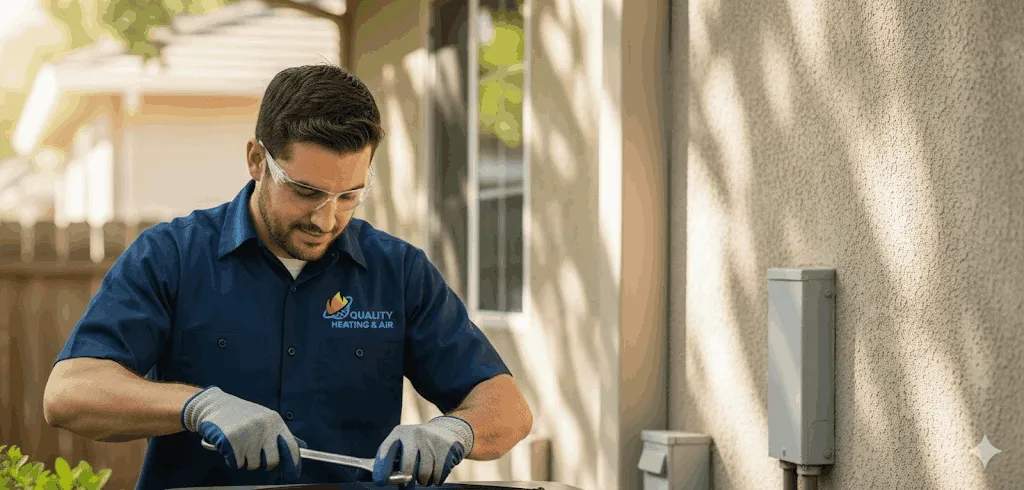
Furnace Replacement in Broomfield, CO
Replacing a furnace is a major home investment and the right choice when repair no longer delivers reliable, efficient heat. In Golden, CO, with cold, snowy winters, wide temperature swings, and homes at higher elevation, the decision to replace your furnace affects comfort, energy bills, and long-term reliability.
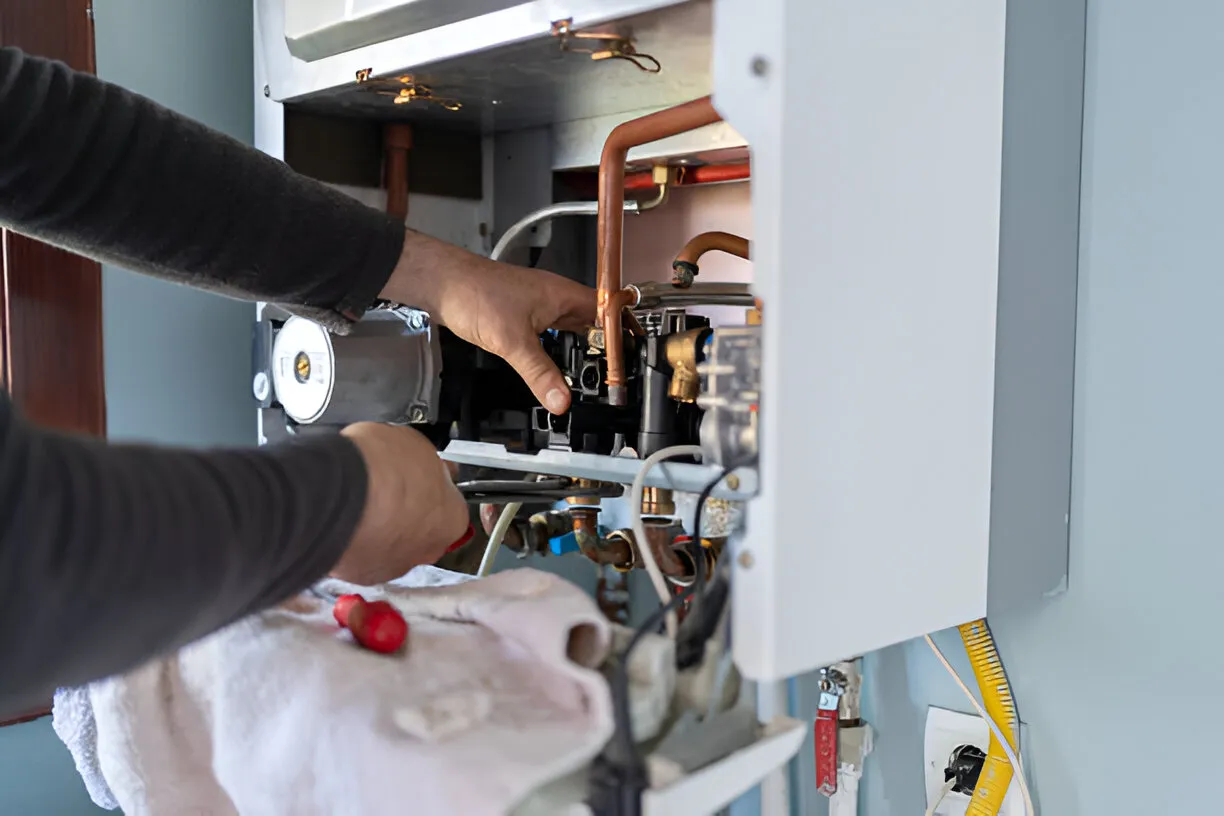
When it is time to replace your furnace: common signs in Broomfield, CO
If your home shows any of these issues, replacement is often the most cost-effective path:
- Age: furnaces older than 15 to 20 years often approach end of life. Efficiency and reliability drop with age.
- Rising repair frequency: repeated breakdowns or expensive component failures indicate diminishing returns on repairs.
- Uneven heating: older units or improperly sized systems struggle to keep Broomfield homes comfortable during cold snaps.
- High energy bills: a significant year-over-year increase in heating costs despite similar usage points to declining furnace efficiency.
- Safety concerns: cracked heat exchangers, persistent carbon monoxide detector alerts, or rusted flue components require immediate attention.
- Noise and poor indoor air quality: unusual sounds, increased dust, or frequent filter clogging signal system stress or failing components.
Sizing and load calculations—why accuracy matters in Broomfield
A furnace replacement should start with a professional heating load calculation, commonly a Manual J. Load calculations account for:
- Home square footage, insulation levels, window types, and air infiltration.
- Broomfield-specific factors like colder winter design temperatures and higher solar gain variability.
- Ductwork condition and layout, which affect airflow and actual delivered heat.
Accurate sizing prevents oversized short-cycling (poor comfort and efficiency) and undersized systems that struggle on the coldest days. After Manual J, technicians use Manual S guidelines to select equipment capacity and consult Manual D if duct redesign is needed.
Comparing energy-efficient models and reputable brands
Modern furnaces come in different efficiency tiers and technologies:
- Standard-efficiency furnaces: AFUE in the mid 80s. Simpler, lower upfront cost, less sensitive to venting.
- High-efficiency condensing furnaces: AFUE 90% to 98%. Require PVC venting and condensate management but deliver the best fuel-to-heat conversion.
- Modulating and variable-speed furnaces: Adjust flame and fan speeds for consistent temperatures, quieter operation, and improved humidity control.
Reputable brands commonly chosen for reliability and parts availability include Carrier, Trane, Lennox, Daikin, Amana, and Goodman. When comparing models look at:
- AFUE rating for seasonal efficiency.
- Variable-speed blower and modulating burners for comfort and efficiency.
- Heat exchanger warranty and parts availability.
- Compatibility with your existing ductwork and preferred thermostat systems.
The consultation and quote process
A thorough consultation typically includes:
- On-site inspection of the existing furnace, ductwork, venting, and thermostat.
- Heating load calculation and assessment of insulation, windows, and envelope leaks.
- Equipment options that meet your comfort goals, budget, and efficiency targets, explained in plain language.
- Detailed written quote with scope of work, timeline, warranty coverage, and any necessary permit or inspection fees.
A full quote will also identify required duct modifications, venting changes for condensing units, and any electrical or gas-line upgrades.
Installation steps and realistic timeline
Typical furnace replacement steps and a timeline for Broomfield homes:
- Pre-install prep: confirm permits, order equipment, and schedule.
- Removal of old furnace and assessment of flue, gas line, and duct connections.
- Rough-in: set new furnace, install venting (including PVC for condensing units), connect gas and electrical, and integrate controls.
- Ductwork adjustments, sealing, and balancing to ensure proper airflow.
- Start-up, system testing, carbon monoxide and safety checks, and thermostat programming.
- Final inspection and handover documentation.
For a like-for-like replacement the job is often completed in one day. Jobs that require new ductwork, additional venting, gas-line upgrades, or permits commonly extend to one or two days.
Removal and disposal of the old unit
Old furnaces are removed according to local code:
- Proper disconnection of gas and electrical.
- Safe lifting and removal from the home.
- Recycling of metal components and responsible disposal of non-recyclables.
- Documentation of disposal if required by local ordinances.
High-efficiency condensing furnaces introduce condensate lines and PVC venting that replace older metal flues; installers will ensure these are correctly routed and drained.
Warranties, rebates, and financing options
Replacement furnaces typically include:
- Manufacturer warranties: commonly 5 to 10 years on parts; premium models may offer extended heat exchanger warranties.
- Labor warranties: installers often provide limited labor warranties for a specified period. Confirm terms in writing.
Broomfield homeowners may also qualify for utility rebates and state or federal incentives aimed at energy efficiency. Local utility providers periodically offer rebates for high-efficiency furnaces and thermostat upgrades. Financing plans tailored to HVAC projects are common and can spread payments over time while you benefit from immediate energy savings.
Expected energy savings after replacement
Actual savings depend on your previous furnace efficiency and local fuel costs. Typical ranges:
- Replacing an old 60% AFUE furnace with a 95% AFUE condensing unit can reduce gas consumption by 30% to 40% under similar usage patterns.
- Moving from an 80% AFUE to a 95% AFUE unit often yields 10% to 20% annual savings.
- Variable-speed and modulating systems further reduce runtime and improve comfort, translating to incremental savings and lower peak demand.
Because Broomfield winters can be long and cold, even modest efficiency gains compound into meaningful annual savings.
Post-install maintenance and long-term benefits
To protect your investment and sustain efficiency:
- Schedule annual furnace tune-ups before the heating season.
- Replace filters regularly and consider higher-MERV filters compatible with your system.
- Keep intake and exhaust vents clear of snow and debris in winter.
- Install or test carbon monoxide detectors after any furnace work.
- Consider sealing and insulating ducts and upgrading thermostat controls to maximize system performance.
Long-term benefits of a professionally performed furnace replacement include improved home comfort, fewer emergency repairs, longer equipment life, better indoor air quality, and reduced heating costs.
Promotions
Save on seasonal system checks from a local team that treats your home like our own.

Testimonials
Neighbors trust Quality Heating & Air for honest work and fair pricing.