
Furnace Repair in Westminster, CO
Furnace Repair in Westminster, CO
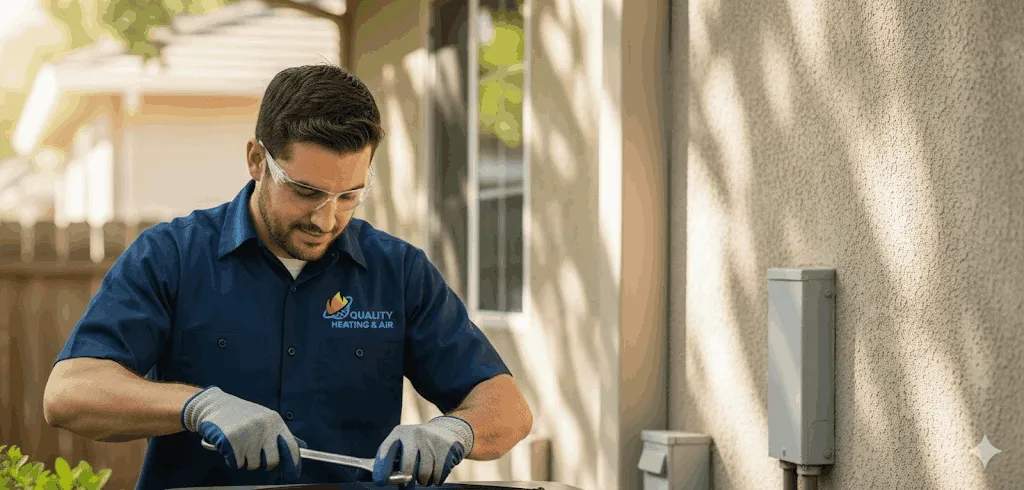
When your furnace stops working on a frigid Westminster night, it is more than an inconvenience — it can risk comfort, safety, and even frozen pipes. Our expert guidance focuses on practical solutions for homeowners who need fast, reliable furnace repair in Westminster, CO. This page explains common symptoms, how technicians diagnose problems, repair and replacement options, safety checks (including carbon monoxide), typical timelines, warranty expectations, and what to expect when scheduling service — all tailored to Westminster’s cold, high-altitude climate.
Why Westminster homes need prompt furnace repair
Westminster experiences cold winters, high-altitude combustion conditions, and rapid temperature swings that put extra stress on heating systems. Furnaces that are older, poorly maintained, or improperly adjusted for altitude can suffer performance loss, ignition problems, and inefficient combustion. Addressing furnace problems quickly reduces energy waste, prevents secondary damage (like frozen pipes), and lowers the risk of safety issues such as carbon-monoxide exposure.
Common furnace repair issues in Westminster
Homeowners typically notice early warning signs before a full failure. Common furnace symptoms include:
- No heat or weak airflow even when the thermostat is calling for heat
- Frequent cycling — the system turns on and off too often
- Strange noises such as banging, rattling, squealing, or humming
- Pilot or ignition failures on older standing pilot or electronic ignition systems
- Yellow or irregular burner flame (a sign of combustion problems)
- Foul or burning smells during startup
- High utility bills with decreased comfort
- Uneven heating between rooms or cold spots near vents
Recognizing these symptoms early in Westminster helps avoid emergency outages during the coldest periods.
Diagnostics: what technicians check first
A thorough diagnostic separates quick fixes from issues that need parts or more extensive work. Typical diagnostic steps include:
- Safety lockout and power checks: verify thermostat settings, breakers, and safety switches
- Visual inspection: look for corrosion, loose wiring, oil/gas leaks, and obstructed vents
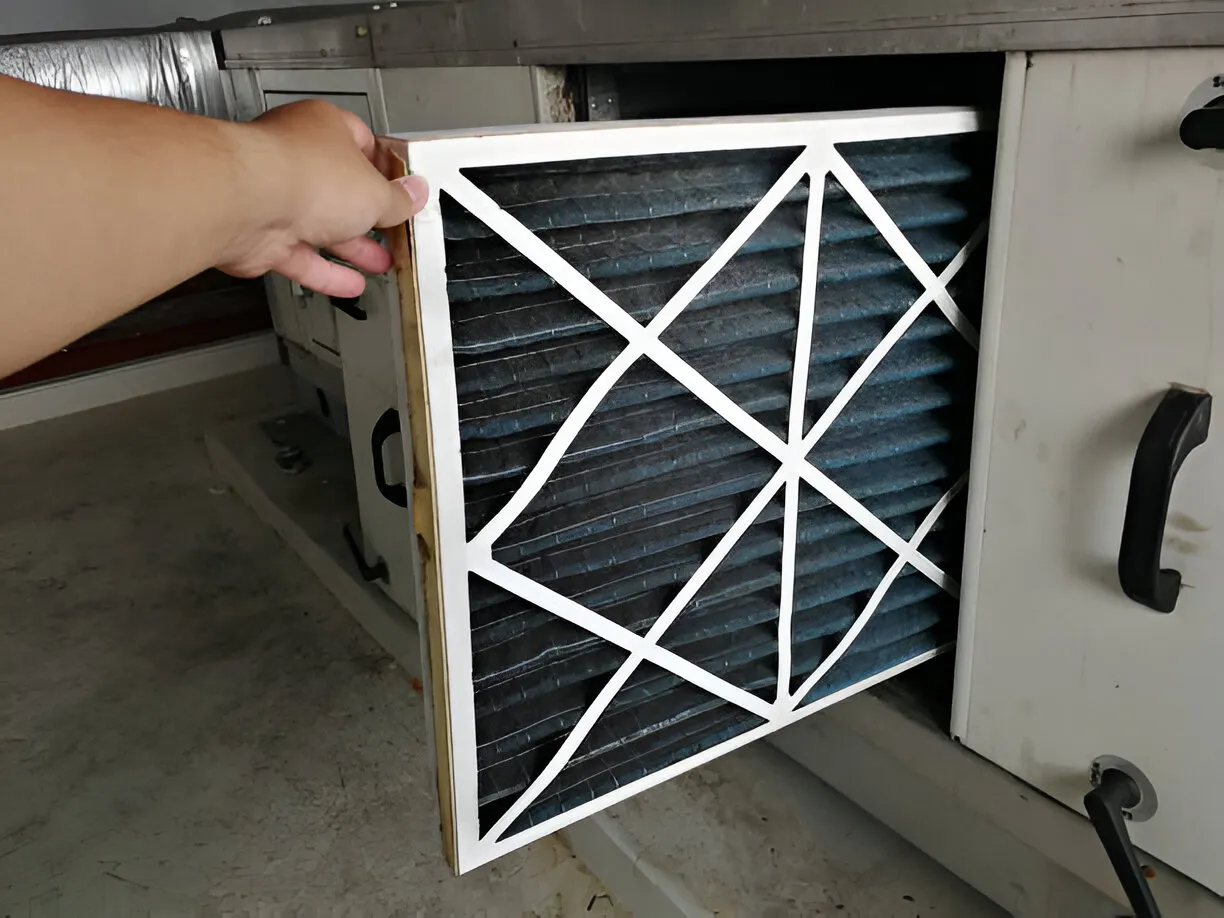
- Airflow and filter check: confirm filters, return registers, and ductwork integrity
- Ignition and gas pressure checks: test electronic igniters/pilot assemblies and gas valve operation
- Heat exchanger inspection: examine for cracks, corrosion, and signs of combustion leakage
- Combustion analysis and venting: measure CO levels, flue draft, and combustion efficiency adjusted for Westminster elevation
- Electrical component tests: evaluate capacitors, relays, blower motor, and control board
Diagnostics typically prioritize occupant safety and then identify the root cause before any repair work begins.
Repair and parts replacement options
Repairs vary by component and severity. Common repair options include:
- Igniter or pilot assembly replacement for ignition failures
- Gas valve or pressure adjustments for inconsistent burner operation
- Blower motor or capacitor replacement to restore airflow
- Control board or thermostat circuit repairs for intermittent control issues
- Burner cleaning and adjustment to restore efficient combustion
- Inducer fan replacement to fix draft and venting problems
When a heat exchanger is cracked or severely corroded, replacement of the furnace or the heat exchanger may be recommended rather than repair, because of safety concerns and long-term reliability.
Safety and carbon-monoxide checks
Safety is paramount. Technicians will:
- Perform a combustion analysis to detect incomplete combustion and CO production
- Inspect flues and vents for blockages, leaks, or improper terminations
- Verify proper draft and flue temperatures for Westminster’s elevation
- Test safety controls, limit switches, and CO detectorsIf unsafe conditions or elevated CO levels are detected, the furnace will be shut down and flagged for immediate corrective action.
Estimated timelines for common repairs
Timelines vary by diagnosis:
- On-site diagnostic evaluation: typically 30 to 90 minutes
- Minor repairs (filters, igniters, thermostats, simple electrical fixes): often same-day and completed in 1–3 hours
- Component replacements (blower motor, gas valve, control board): commonly completed within a single visit if parts are available, or scheduled within a short window if special parts are required
- Major repairs or heat exchanger replacement: may require multi-day scheduling and coordination with parts suppliersEmergency response is available 24/7 for safety-critical issues, particularly during cold snaps.
Warranty and service guarantees
Quality furnace repair work should be backed by workmanship guarantees and parts warranties. Expect:
- Manufacturer-backed parts warranties on replacement components
- A workmanship guarantee covering the repair performed
- Clear documentation of warranty terms, what’s covered, and recommended next steps if the problem persists
Always request written warranty information and keep service records for future resale or warranty claims.
Technician qualifications and training
Reliable furnace repair depends on skilled technicians. Look for technicians who are:
- NATE-certified (North American Technician Excellence), demonstrating verified HVAC knowledge
- Trained in combustion safety and CO testing, especially for high-elevation homes
- Experienced with major furnace brands and local installation variations for Westminster area homes
- Background-checked and following safety protocols for entry, diagnostics, and repairs
NATE-certified technicians are trained to diagnose and repair complex furnace issues while adhering to safety standards.
What to expect when scheduling a service visit
A typical service scheduling and visit process includes:
- Provide the system make, model, symptoms, and any recent changes or noises
- Receive a time window for an on-site diagnostic visit and an overview of what the technician will inspect
- Technician arrives, performs safety-focused diagnostics, explains findings in plain language, and outlines repair options with timelines
- If parts are needed, the technician will discuss repair vs replacement considerations and expected scheduling
- After repairs, the technician will test the furnace, perform safety checks (including CO testing), and document work and warranty details
This structured approach helps Westminster homeowners understand the scope of work and safety implications before repairs proceed.
Maintenance tips and why timely repair matters
- Replace filters regularly and keep vents clear to sustain airflow and efficiency
- Schedule annual heating tune-ups before the cold season to detect issues early
- Never ignore strange noises, odors, or cycling; small problems can become costly or dangerous
- Ensure CO detectors are installed and maintained; alarms are critical for early warning
Timely repair preserves system efficiency, reduces utility costs, extends equipment life, and protects your household from safety risks.
Furnace repair in Westminster, CO requires local expertise that understands cold-weather demands and high-altitude combustion. Accurate diagnostics, NATE-certified technicians, comprehensive safety checks, and transparent repair options help restore warmth and safety to your home with confidence.
Promotions
Save on seasonal system checks from a local team that treats your home like our own.

Testimonials
Neighbors trust Quality Heating & Air for honest work and fair pricing.