
Furnace Repair in Golden, CO
Furnace Repair in Golden, CO
Winters in Golden can be cold, with altitude, temperature swings, and occasional heavy snow putting extra stress on home heating systems. A broken furnace not only makes your home uncomfortable but can create safety risks and higher energy bills. This furnace repair guide for Golden, CO explains common problems, how technicians diagnose and fix them, what to expect for timelines and labor, warranty considerations, and practical tips to prevent future breakdowns—so you can make an informed decision when you need repair work done.
Common furnace problems in Golden, CO
Homes in Golden experience specific stresses on furnaces: colder nights, dusty dry air, and snow or ice that can block venting. Watch for these common symptoms:
- No heat or intermittent heat: Furnace runs but delivers little or no warm air, or cycles on and off quickly.
- Strange noises: Rattling, banging, squealing, or grinding can indicate loose components, failing bearings, or expanding/contracting metal.
- Pilot or ignition issues: Furnace will not ignite, or the pilot/ignitor fails repeatedly. High-altitude effects can make ignition more sensitive.
- Blower problems: Weak airflow, uneven heating, or blower not running—often related to motor, capacitor, or relay issues.
- Frequent short cycling: System turns on and off too quickly—commonly caused by dirty filters, restricted airflow, faulty thermostat, or failing safety switches.
- Foul smells or carbon monoxide concerns: Sooty smells, exhaust odors, or CO alarm activation require immediate action.
- High energy bills or lost efficiency: Age, dirty burners, or heat exchanger inefficiencies increase fuel use.
How diagnostic and repair work usually proceeds
A typical professional furnace repair follows a structured diagnostic process so repairs are targeted, safe, and reliable.
- Initial safety check
- Verify carbon monoxide alarm and any active safety alerts.
- Check for gas leaks, odors, and electrical hazards. If a gas smell is present, occupants should leave and authorities notified before repair begins.
- System observation and symptom confirmation
- Inspect thermostat settings and wiring, listen to the unit during operation, and note error codes from the control board.
- Confirm homeowner-reported symptoms with operational tests.
- Visual and component inspection
- Check air filter, burners, ignitor or pilot assembly, gas valve, pressure switches, venting and flue, heat exchanger, blower motor and capacitor, limit switches, and control board.
- At altitude, technicians verify combustion adjustments and draft to ensure safe operation.
- Targeted testing
- Measure ignition sequence, flame quality, gas pressure (when appropriate), flue draft, and electrical currents to motors and capacitors.
- Repair plan and execution
- Repair or replace failed components, perform cleaning and tuning, and test the complete sequence until the system operates normally.
Typical parts replaced and what that means for your home
Common parts that may need replacement include: ignitor or pilot assembly, gas valve, control board, blower motor or capacitor, pressure switch, limit switch, and occasionally the heat exchanger. Replacing worn parts restores safety and efficiency; replacing a cracked heat exchanger is a major safety repair because it can allow combustion gases into living spaces and usually requires careful inspection and sometimes system replacement decisions.
Labor expectations and technician approach
- Technicians will perform a full safety assessment before any repair.
- Diagnostic time is typically focused and documented; expect the tech to explain failed components and replacement options.
- Labor includes disassembly, parts replacement, system tuning, and a final operational test. Skilled technicians also provide advice on whether continued repairs are cost-effective for older units.
Estimated repair timelines and factors that affect scheduling
- Diagnostics: Usually completed within an hour to 90 minutes on site.
- Minor repairs (filters, ignitor, small sensors): Often finished the same visit in a few hours.
- Moderate repairs (blower motor, control board): Typically take several hours and may require ordering parts.
- Major repairs or replacements (heat exchanger, complete system failure): Can take longer and may require multiple visits or scheduling for replacement equipment.
Timelines depend on part availability, system accessibility, and any necessary safety checks. In Golden, seasonal demand during cold snaps can lengthen wait times.
Cost considerations (what influences the bill)
Actual cost varies by the failed component, system age and brand, whether parts are under warranty, and whether emergency or after-hours service is required. Factors that commonly increase repair cost include difficult access, obsolete parts for older systems, and jobs needing additional safety work (venting, flue repair, or carbon monoxide remediation). Requesting a clear written estimate that separates parts, labor, and any permits is a best practice.
Warranty and guarantee information to ask about
- Manufacturer warranty: Newer parts may still be covered by the equipment maker—check serial numbers and documentation.
- Parts warranty: Replacement parts typically have a limited warranty from the supplier.
- Labor or workmanship guarantee: Many reputable providers offer a short-term labor warranty (for example, 30 to 365 days, depending on policy) covering defects in the repair work.
Always confirm what warranties cover and how claims are handled.
Emergency response and safety measures
- If you smell gas or suspect a leak: leave the home immediately, avoid using electrical devices or flames, and notify emergency services or your gas provider.
- If a carbon monoxide alarm sounds: evacuate and seek emergency help. Do not run the furnace until a qualified technician verifies safe operation.
- Technicians responding to emergencies will prioritize safety checks, shutoffs if needed, and temporary measures to secure your home before scheduling permanent repairs.
Preventing future breakdowns in Golden homes
- Schedule an annual fall tune-up before the heating season to adjust combustion for altitude, inspect the heat exchanger, and clean burners.
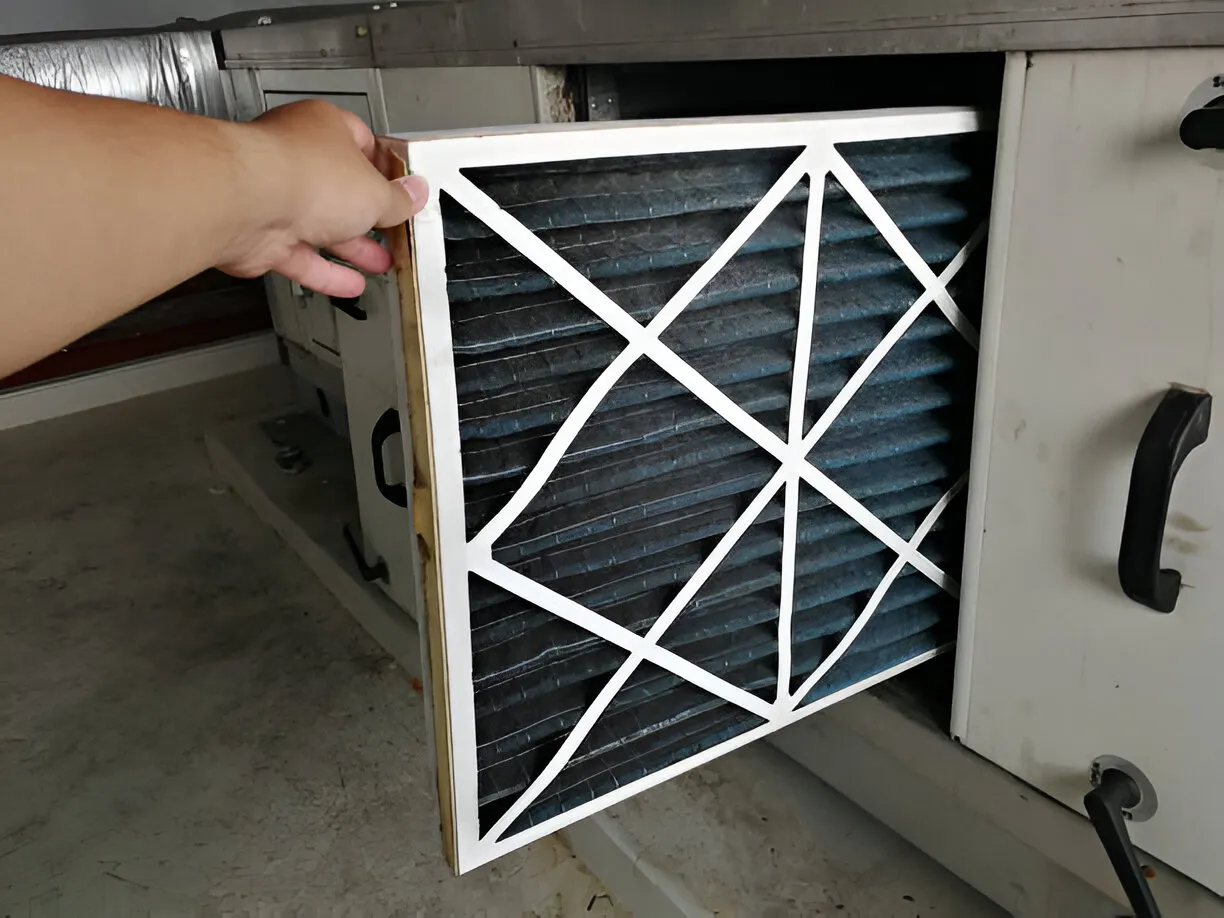
- Replace filters regularly—monthly during heavy-use months or when wildfire smoke/dust is present.
- Keep outdoor vents clear of snow and debris. Snow or ice can block combustion air or exhaust.
- Install and maintain carbon monoxide detectors on every level and near sleeping areas.
- Seal ductwork and insulate to reduce workload and heat loss during nightly temperature drops common in Golden.
Timely furnace repair preserves safety, restores efficiency, and extends equipment life. When choosing repair services, look for technicians who document diagnostics, explain options plainly, honor warranties, and tailor recommendations to the local climate conditions in Golden, CO.
Promotions
Save on seasonal system checks from a local team that treats your home like our own.

Testimonials
Neighbors trust Quality Heating & Air for honest work and fair pricing.