
Air Conditioning Tune Up in Denver, CO

Air Conditioning Tune Up in Denver, CO
A professional Air Conditioning Tune up in Denver, CO ensures your cooling system is ready for the high-demand months and performs safely, efficiently, and reliably. In Denver’s high-altitude, semi-arid climate—where hot summer afternoons, large day-night temperature swings, dust, and seasonal wildfire smoke all stress HVAC equipment—regular tune-ups reduce breakdown risk, lower operating costs, and help your system deliver consistent comfort when you need it most.
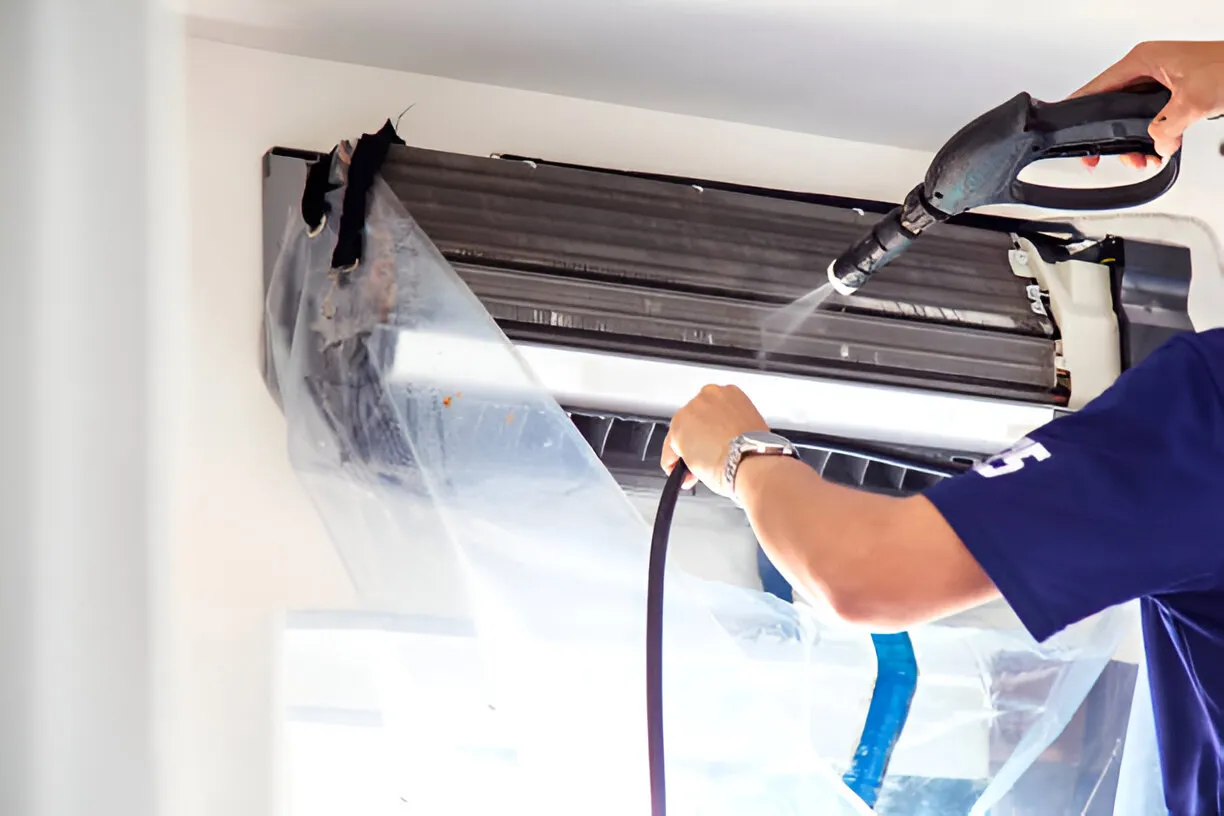
What a comprehensive AC tune-up includes
A proper tune-up follows a structured checklist to catch small problems before they become costly failures. Typical tune-up services include:
- Performance inspection of the entire system, indoor and outdoor units, airflow, and duct connections
- Cleaning evaporator and condenser coils to restore heat transfer efficiency
- Clearing and flushing condensate drains and pans to prevent water backups and mold growth
- Checking refrigerant levels and pressures to confirm proper charge and efficiency (high-altitude pressure considerations addressed)
- Tightening electrical connections and testing safety switches to reduce fire risk and electrical failures
- Lubricating motors and moving parts where applicable to reduce wear and noise
- Calibrating the thermostat and verifying controls for accurate temperature regulation and optimal runtime
- Filter inspection and replacement recommendations based on use and indoor air quality needs
- Final performance test under load to verify cooling capacity, airflow, and system stability
Common AC tune-up issues in Denver homes
Denver-area systems face unique challenges that tune-ups are designed to address:
- Dust, pollen, and fine soil accumulation from the dry climate that reduce coil and filter efficiency
- Wildfire smoke seasons that increase indoor particulate loads and strain filters and IAQ devices
- High-altitude effects on refrigerant pressure and compressor workload; proper charge verification is crucial
- Increased run times during heat waves leading to worn belts, bearings, and electrical component stress
- Condensate drain clogs from organic buildup when evaporator coils run at high humidity settings
Addressing these region-specific issues during a tune-up extends system life and improves air quality for your home.
The tune-up process — what technicians do, step by step
A professional tune-up is methodical, safety-focused, and documented:
- Initial visual inspection of indoor and outdoor units and verification of safe work access
- Replace or evaluate air filters; clean accessible cabinet interiors
- Inspect and clean coils with appropriate cleaners to avoid damaging fins and refrigerant lines
- Clear and, if needed, mechanically or chemically flush condensate drain lines and pans
- Measure refrigerant pressure and temperatures; compare to manufacturer specs and altitude-adjusted baselines
- Tighten electrical lugs, test capacitors and contactors, and test breaker load conditions
- Lubricate fan motors and check blower wheel balance and belt condition (if applicable)
- Calibrate thermostat and verify differential setpoints, staging, and communication with zoning or smart controls
- Perform an operational performance test: airflow measurements, temperature split readings, and overall system cycle observation
- Provide a written report of findings and recommended next steps, prioritizing safety and efficiency fixes
Technicians trained for Denver systems will pay special attention to refrigerant charge and electrical performance because altitude and temperature swings impact those areas the most.
Benefits of timely tune-ups
Regular tune-ups deliver measurable benefits for Denver homeowners:
- Improved efficiency: Clean coils and correct refrigerant levels reduce runtime and energy use.
- Fewer breakdowns: Early detection of worn components prevents summertime failures.
- Lower operating costs: More efficient operation typically lowers monthly cooling bills.
- Extended equipment life: Routine maintenance reduces stress on compressors and fans.
- Better indoor air quality: Clean filters, coils, and drain lines reduce dust, pollen, and biological growth.
- Safer operation: Tightened electrical connections and tested safety cutoffs lower the risk of electrical hazards.
Recommended timing and frequency in Denver, CO
For most Denver homes, the best practice is:
- Annual spring tune-up before heavy cooling season to prepare the system for peak use.
- Biannual service for high-use systems, homes near busy roads or construction, or properties affected by wildfire smoke—add a fall check for heat pump systems to cover the heating season.
- Immediate service if you notice odd noises, reduced airflow, rising electric bills, frequent short cycles, or visible leaks.
Scheduling a spring inspection prevents the common issue of late-season emergency calls when temperatures spike.
What to expect after your tune-up and simple homeowner tips
After a professional tune-up, you should notice steadier temperatures, quieter operation, and improved airflow. Technicians will typically provide a checklist of actions taken and note parts that may need attention soon.
Homeowner maintenance tips to maximize tune-up benefits:
- Replace or clean filters every 1–3 months depending on occupancy, pets, and pollen levels
- Keep outdoor condenser units clear of debris, snow in winter, and vegetation growth in summer
- Use smart thermostat scheduling to reduce unnecessary runtime while keeping humidity and comfort balanced
- Monitor energy usage and indoor comfort—report any changes promptly for early diagnosis
Promotions
Save on seasonal system checks from a local team that treats your home like our own.

Testimonials
Neighbors trust Quality Heating & Air for honest work and fair pricing.