
Air Conditioning Replacement in Denver, CO
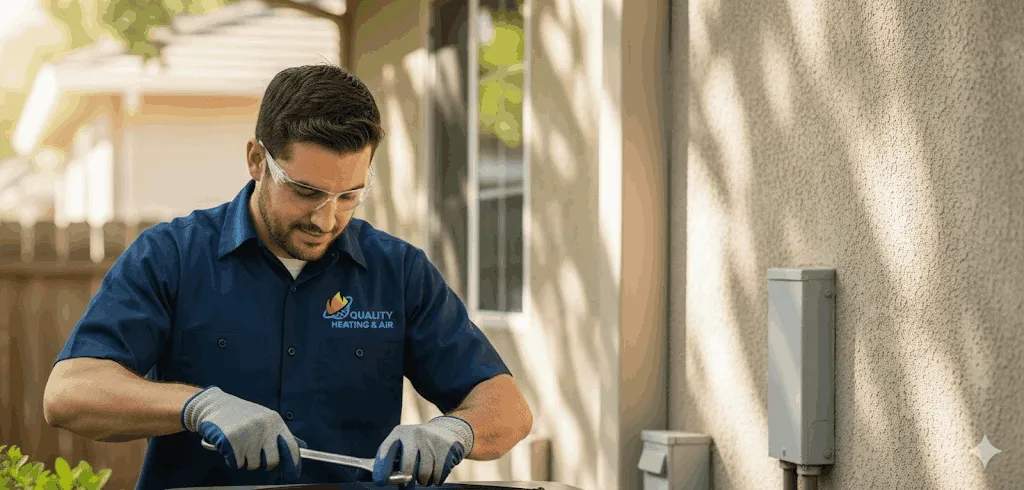
Air Conditioning Replacement in Denver, CO
Replacing an aging or inefficient air conditioner is one of the most effective ways to reduce energy bills, improve comfort, and avoid costly emergency repairs. In Denver homes, where hot, sunny summers, large daily temperature swings, and occasional wildfire smoke can stress HVAC systems, choosing the right replacement matters more than ever.
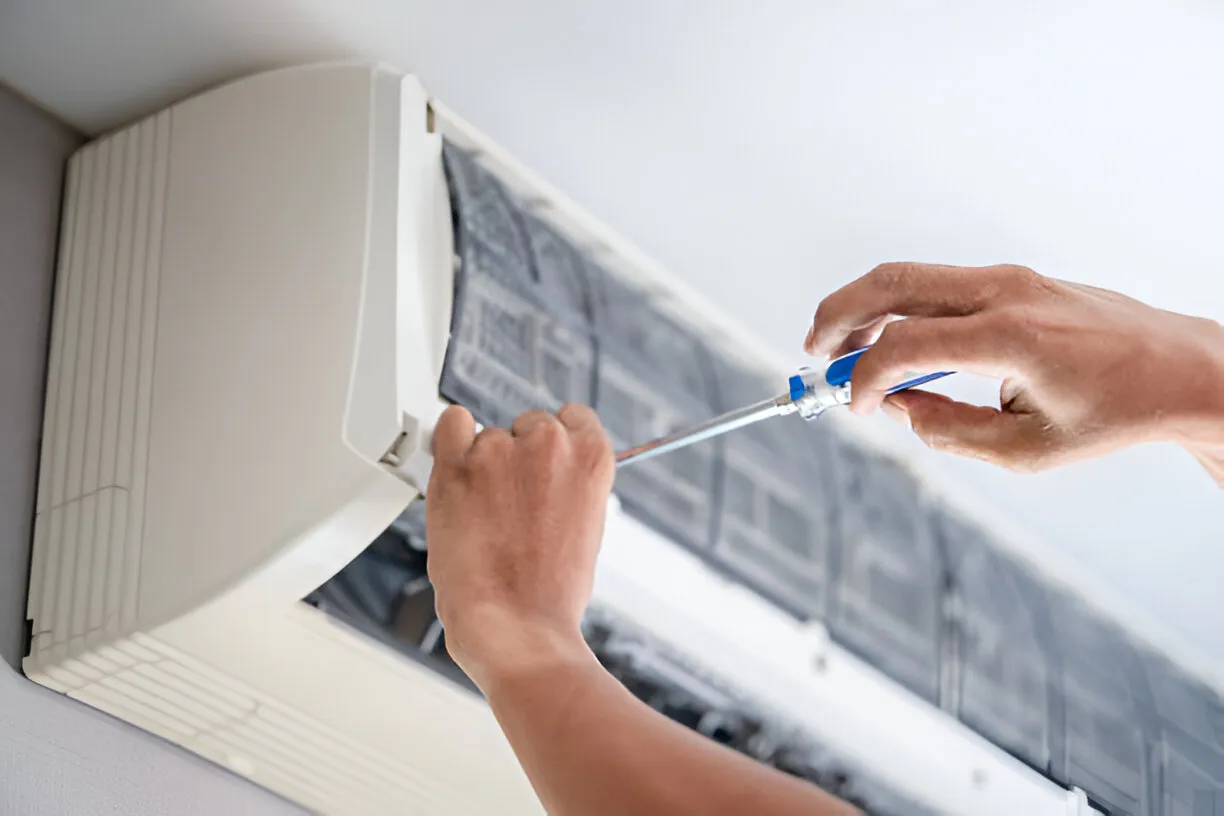
Why homeowners in Denver replace their air conditioners
Common reasons Denver homeowners choose AC replacement:
- System age: equipment older than 12–15 years is less efficient and more repair-prone.
- Rising repair frequency and part failures.
- Outdated refrigerant (R-22) that is phased out and costly to service.
- Poor comfort: uneven cooling, humidity control problems, or inability to keep up on hot afternoons.
- Desire for lower energy bills with higher-efficiency systems.
- Integration with modern thermostats, zoning, or improved indoor air quality for wildfire smoke events.
Common replacement options and system types
- Central air conditioners (split systems): Most common for Denver single-family homes. Paired with existing ductwork when ducts are in good condition.
- Heat pumps (air-source): Provide both cooling and heating. Modern cold-climate heat pumps are increasingly effective for Denver’s wide seasonal range.
- Ductless mini-split systems: Ideal for additions, converted spaces, or homes without ducts; good for room-by-room control.
- Packaged units: Less common in Denver but used in certain homes and commercial spaces.
Each option carries tradeoffs in upfront cost, efficiency, and installation complexity. In Denver’s climate, selecting a system that balances cooling capacity with energy efficiency and winter heating compatibility is key.
System evaluation: what a thorough assessment includes
A professional replacement begins with a detailed evaluation:
- Visual inspection of the existing equipment, ductwork, and thermostat.
- Performance check: measured airflow, temperatures, refrigerant charge, and electrical components.
- Verification of refrigerant type and past service history.
- Duct inspection for leaks, insulation gaps, and proper returns.
- Manual J load calculation to determine correct system size based on home orientation, insulation, window area, and Denver-specific factors like solar gain and elevation.
A proper assessment prevents oversizing or undersizing — both of which reduce comfort and efficiency.
Sizing guidance: why correct size matters in Denver
Correct sizing is essential. Too large a unit will short-cycle, increasing wear, reducing dehumidification, and raising energy use. Too small a unit will run constantly and fail to meet peak cooling needs. Denver’s high altitude and lower air density can slightly reduce cooling capacity, so technicians factor elevation and manufacturer altitude guidelines when selecting equipment and configurations.
Efficiency comparisons and expected energy savings
Efficiency is measured with SEER (Seasonal Energy Efficiency Ratio) for cooling. Typical outcomes:
- Replacing a 10 SEER unit with a modern 16–20 SEER unit can reduce cooling energy use by roughly 20–40%, depending on usage patterns, duct efficiency, and thermostat settings.
- Switching to a high-efficiency heat pump may deliver similar or greater savings while adding winter heating benefits.
- Duct sealing and proper insulation often yield additional savings of 10% or more by preventing conditioned air loss.
Estimates vary by home, but homeowners can expect a noticeable reduction in summer energy bills when replacing inefficient equipment and addressing distribution losses.
Removal and environmentally responsible disposal
Replacement includes safe removal and disposal of old equipment:
- Refrigerant recovery and disposal follow federal regulations to prevent atmospheric release.
- Old units, metals, and components are recycled or disposed of per local codes.
- Any required electrical or refrigerant paperwork is completed for compliance.
Denver-area disposal practices and local ordinances are observed to ensure safe, code-compliant removal.
Installation process and timeline
A typical replacement process:
- Finalize equipment selection and sizing after the home assessment.
- Schedule installation and prepare the work area (clear access, protect flooring).
- Remove old equipment and recover refrigerant.
- Install new condenser, evaporator coil or air handler, and necessary line sets.
- Connect electrical, thermostat, and safety controls; perform charge and airflow adjustments.
- Test system performance, verify refrigerant charge and airflow, and demonstrate operation.
Most residential replacements take one to two days depending on system complexity and whether ductwork modifications are needed.
Rebates, incentives, and financing options
Replacing an old system can qualify for rebates and incentives from utility providers and government programs—particularly for high-efficiency equipment or heat pumps. Financing options are often available to spread the cost over time. When evaluating replacement choices, compare potential incentives and the lifecycle savings from reduced energy use to determine the best value for your Denver home.
Warranties and long-term protection
New systems come with manufacturer warranties that commonly cover compressors and major components for 5–10 years (or longer when registered). Labor warranties on installation work vary by installer. Ask about extended parts and labor coverage and registration requirements to maximize warranty benefits. Proper installation and regular maintenance are essential to preserving warranty coverage and system longevity.
Brand and model selection factors for Denver
When choosing brands and models, consider:
- Altitude-rated equipment or manufacturer guidance for high-elevation operation.
- SEER and HSPF (for heat pumps) ratings versus upfront cost.
- Compatibility with existing ductwork and thermostats.
- Noise levels for urban and suburban Denver neighborhoods.
- Availability of replacement parts and local service technicians for long-term support.
- Integration options for zoning, air purification, or smart thermostats to improve comfort and IAQ during wildfire season.
Post-installation care and maintenance
To protect your investment and sustain efficiency:
- Schedule regular seasonal tune-ups and clean/replace filters as recommended.
- Ensure ducts remain sealed and insulated.
- Monitor system performance and utility use; small issues caught early prevent larger failures.
- Consider adding IAQ upgrades (higher-MERV filtration, air purifiers) to address wildfire smoke and Denver’s occasional airborne pollutants.
Replacing your air conditioner in Denver is an opportunity to increase comfort, reduce energy use, and improve indoor air quality. With the right evaluation, proper sizing, manufacturer-backed equipment, and a professional, code-compliant installation, your new system will deliver consistent, efficient cooling tailored to the local climate and your home’s needs.
Promotions
Save on seasonal system checks from a local team that treats your home like our own.

Testimonials
Neighbors trust Quality Heating & Air for honest work and fair pricing.