
Air Conditioning Tune Up in Broomfield, CO

Air Conditioning Tune Up in Broomfield, CO
Keeping your air conditioner at peak performance is essential for comfort and efficiency in Broomfield, CO. With hot, dry summers, seasonal pollen, and wind-driven dust, systems here face unique stresses that make a professional AC tune up especially valuable. A proper tune up reduces the risk of mid-summer breakdowns, restores cooling performance, and helps extend the life of your equipment — all important for homes in this region.
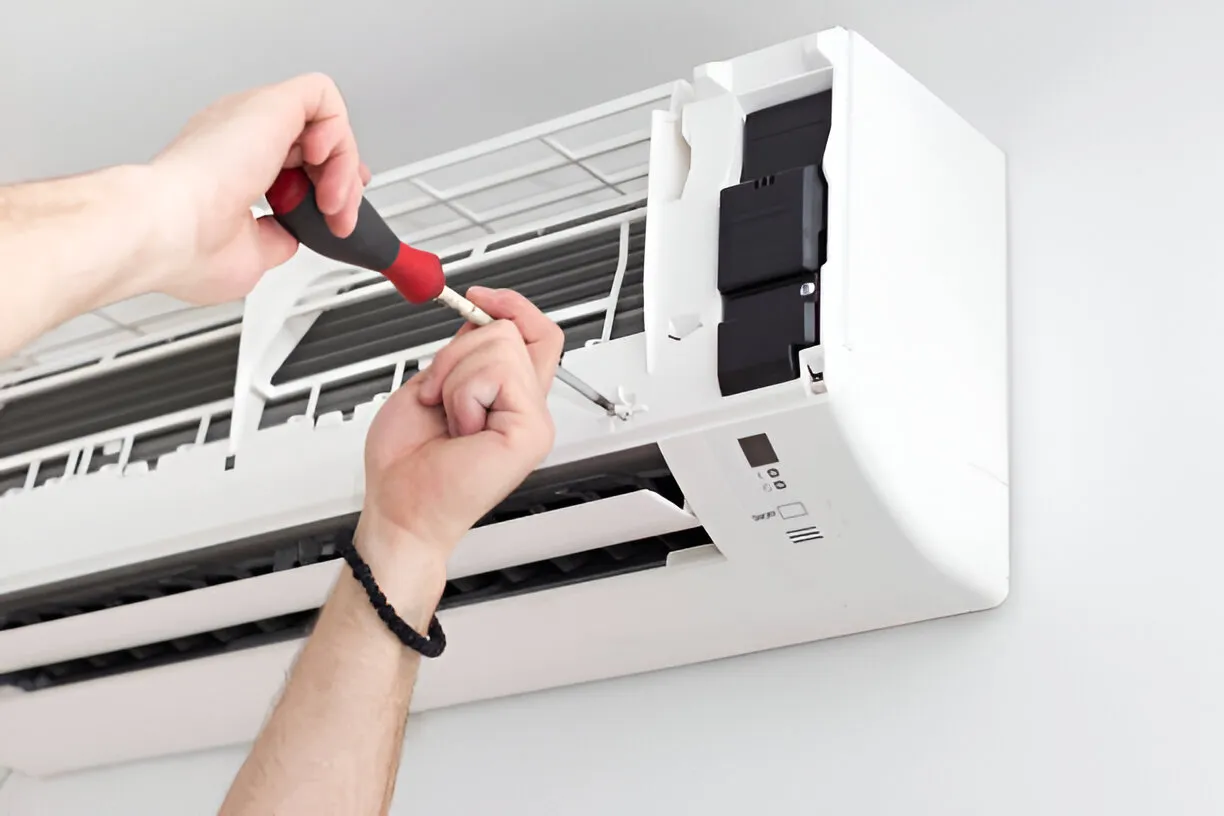
What an AC tune-up in Broomfield includes
A full tune-up visit is a systematic inspection, cleaning, and performance check. Typical tasks performed during a tune-up include:
- Inspect and replace/clean air filters to restore proper airflow and indoor air quality.
- Clean evaporator and condenser coils to improve heat transfer and cooling capacity.
- Clean and clear the outdoor condenser area of leaves, grass, and wind-blown debris common in Broomfield neighborhoods.
- Check refrigerant level and pressures and look for signs of leaks (testing only; repair requires authorization).
- Measure temperature split (supply vs return) to verify system performance.
- Test and tighten electrical connections at the disconnect, contactor, and control board to prevent failures.
- Check capacitors, starters, and motor amp draws to identify weak components before they fail.
- Lubricate moving parts where applicable to reduce wear and noise.
- Inspect and calibrate the thermostat including sensor accuracy and battery condition.
- Inspect and clear condensate drain lines and pans to prevent clog-related shutdowns and mold growth.
- Check blower motor and wheel for proper alignment and airflow.
- Check ductwork and air vents for obvious leaks, obstructions, or disconnected sections.
- Performance testing and system documentation including operational checks and a summary of findings and recommended repairs.
Common AC problems in Broomfield, CO and why tune-ups matter
Broomfield homes experience specific conditions that contribute to AC issues:
- Dust and pollen buildup: Dry, windy conditions and seasonal pollen load quickly clog filters and coils, reducing efficiency and indoor comfort.
- Outdoor debris and yard runoff: Lightweight debris, grass clippings, and irrigation spray can foul condensers and restrict airflow.
- Temperature swing stress: Large day-night temperature swings accelerate wear on electrical components and refrigerant connections.
- Hard water residue: If irrigation or sprinklers spray on the unit, mineral deposits can affect fins and coils over time.
- Aging refrigerant seals: Older systems can develop slow leaks that reduce cooling capacity and increase compressor strain.
Regular tune-ups address these local stressors by removing contaminants, tightening electrical connections, and verifying refrigerant and airflow so you avoid costly emergency repairs during heat waves.
Diagnostic process — what technicians actually check
During a tune-up, technicians follow a checklist to diagnose current condition and reveal potential failures:
- Visual inspection of indoor and outdoor units for damage, corrosion, or debris.
- Filter assessment and replacement or cleaning recommendations.
- Electrical inspection: voltages, amp draws, contactor operation, and capacitor health.
- Refrigerant analysis: measure suction and discharge pressures and compare to manufacturer specifications.
- Airflow measurements: check blower performance and register temperatures to calculate temperature differential.
- Condensate system check: ensure drain lines and pans are clear and the condensate pump (if present) functions.
- Safety control checks: verify high/low pressure cutouts and emergency shutdown devices.
- Thermostat calibration and system run test under load to confirm consistent cooling.
This combination of visual, mechanical, and electrical checks helps pinpoint issues that are otherwise invisible during normal operation.
Typical repairs and solutions performed as part of a tune-up
Many tune-up findings can be corrected during the visit; others may require follow-up. Typical in-visit actions include:
- Coil cleaning with appropriate cleaning agents and gentle rinsing to restore transfer efficiency.
- Fin straightening and clearing debris around the outdoor unit.
- Filter replacement and advice on filter types for Broomfield’s dust and pollen.
- Tightening electrical terminals and replacing visibly failing capacitors or contactors (if on the vehicle and approved).
- Clearing condensate drains and treating pans to prevent microbial growth.
- Lubricating motors and moving parts to reduce friction and noise.
- Thermostat recalibration and replacement of batteries.
If a refrigerant leak, major component failure, or duct repair is discovered, the technician will document the issue and recommend a repair plan for a follow-up visit.
Recommended frequency and seasonal timing for Broomfield homes
- Annual tune-up: At minimum, schedule one professional tune-up each year, timed in spring before the cooling season begins. This ensures your system is ready for summer peak use.
- Biannual for heat pump systems or heavy-use homes: If you use a heat pump for both heating and cooling, or if your home experiences heavy summer use, consider two service visits per year — one in spring and one in fall.
- After extreme weather events: Schedule an interim check following windstorms, hail, or high pollen episodes if you notice reduced performance.
Regular, seasonal maintenance keeps systems running efficiently when you need them most.
Expected duration and what to expect during the visit
A routine AC tune-up typically takes about 60 to 90 minutes for a standard central air system. During the visit a technician will:
- Work quietly and efficiently, performing the checklist items.
- Provide a written summary of findings and any recommended repairs.
- Explain any safety issues or immediate concerns in plain language.
Technicians aim to perform as many corrective actions as possible during the appointment while documenting any work that requires additional parts or a follow-up visit.
How tune-ups prevent breakdowns and improve efficiency
A comprehensive tune-up improves reliability and reduces operating costs by:
- Restoring proper airflow and heat exchange so the system cools with less run time.
- Identifying failing components early so replacements can be scheduled before a total system failure.
- Ensuring correct refrigerant charge so compressors do not overwork and overheat.
- Preventing moisture and microbial buildup that can block drainage and cause system shutdowns.
In short, proactive maintenance reduces the likelihood of emergency repairs during summer and helps your system operate closer to its design efficiency.
For homes in Broomfield, CO, where dust, pollen, and spring winds increase load on HVAC systems, an annual spring tune-up is practical and cost-effective. Prioritizing scheduled maintenance helps preserve comfort, indoor air quality, and system longevity. Regular filter changes between professional visits and keeping the outdoor unit clear of debris will also maximize the benefits of each tune-up.
Promotions
Save on seasonal system checks from a local team that treats your home like our own.

Testimonials
Neighbors trust Quality Heating & Air for honest work and fair pricing.