
Air Conditioning Repair in Broomfield, CO
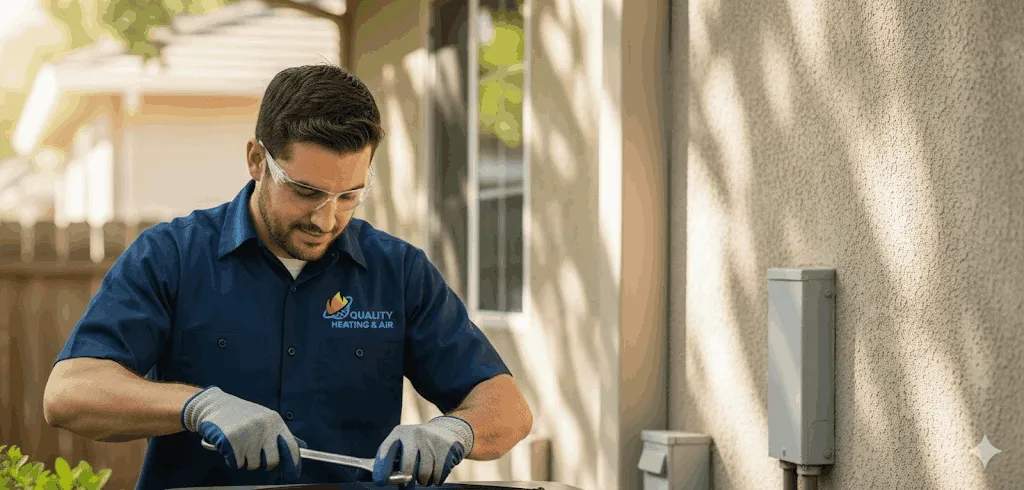
Air Conditioning Repair in Broomfield, CO
When your air conditioner fails in the middle of a hot Broomfield summer, comfort and safety become immediate concerns. Our Air Conditioning Repair in Broomfield, CO content explains common causes, exactly how technicians diagnose problems, what typical repairs involve, emergency response options, and practical steps you can take now.
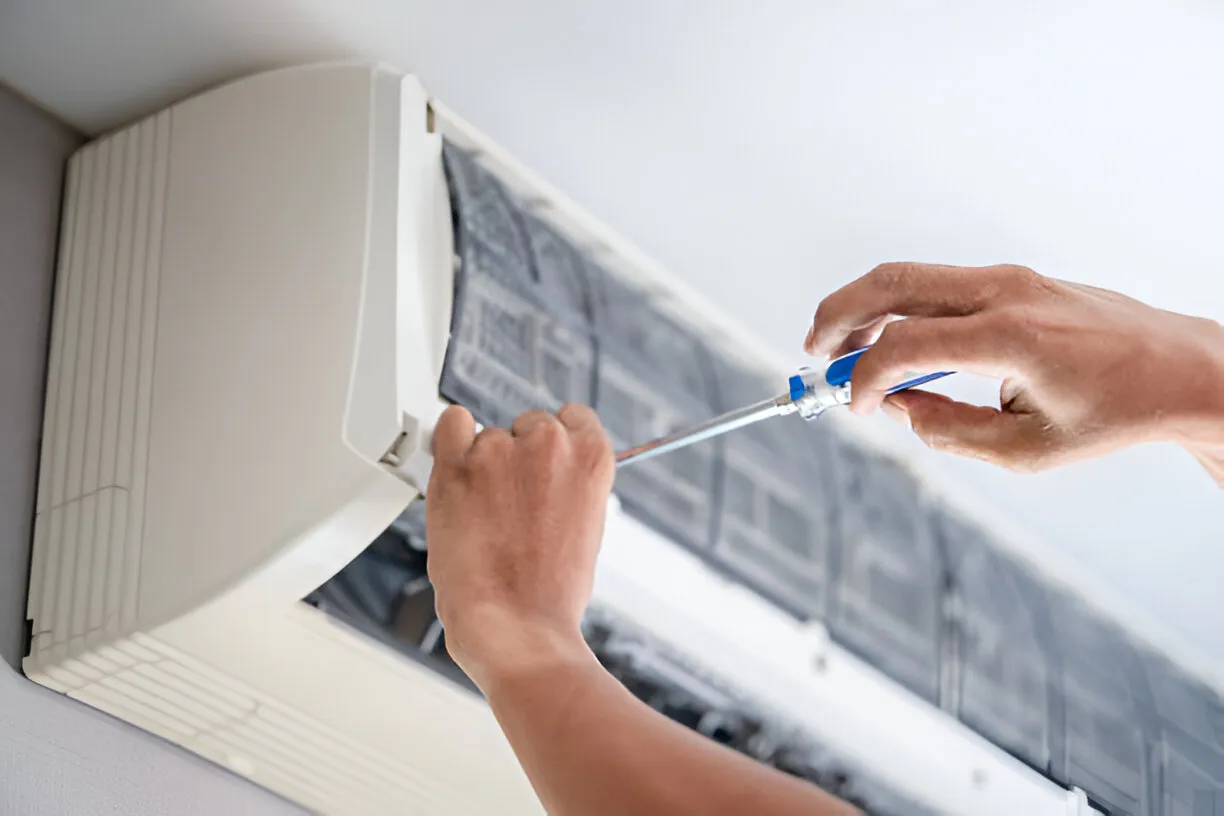
Why timely AC repair matters in Broomfield, CO
Broomfield’s semi-arid climate brings hot, dry summers and strong sun exposure that put extra stress on outdoor condensing units. Frequent temperature swings, summer storms, and seasonal dust and pollen also contribute to wear. Delaying repairs can lead to higher energy bills, more extensive damage, and shortened equipment life. Prompt diagnosis and repair restore comfort and protect your HVAC investment.
Common AC problems in Broomfield homes
- Compressor failure – The compressor is the heart of the system. Signs include very warm air coming from vents, unusual humming or clanking from the outdoor unit, and frequent short cycling. Compressor issues are often due to age, electrical faults, or low refrigerant.
- Refrigerant leaks – Low refrigerant reduces cooling capacity and can freeze evaporator coils. Look for poor cooling, hissing sounds, or ice buildup on lines. Leaks require locating and repairing the leak, then recharging to proper levels.
- Electrical faults – Tripped breakers, failed capacitors, relays, or wiring corrosion can prevent the system from starting or cause intermittent operation. Power surges during summer storms in Colorado can also damage electrical components.
- Airflow issues – Dirty filters, blocked vents, failing blower motors, or collapsed flex ducts reduce airflow and lower efficiency. In Broomfield’s dusty, low-humidity environment, filters can clog faster if not checked regularly.
- Thermostat and control problems – Bad thermostats or misconfigured settings cause incorrect cycling or temperature inaccuracies. Smart thermostats may need firmware or compatibility checks.
- Drainage and condensate issues – Clogged drain lines or blocked pan drains lead to water leaks and potential indoor water damage. Seasonal pollen and debris can accelerate these problems.
- Physical damage – Hail, debris, and sun degradation can damage coils, fins, or fan blades on outdoor units, common after summer storms.
How we diagnose AC problems
- Initial interview - We start by asking when the problem began, what symptoms you see, and any recent power events or maintenance history.
- Visual inspection - Technicians inspect the outdoor condensing unit, indoor evaporator, ductwork access points, and thermostat for obvious issues like debris, rust, or disconnected components.
- Electrical and safety checks - Testing breakers, contactors, capacitors, and safety switches to ensure the unit is getting proper power and components are functioning safely.
- System performance testing - Measurement of temperature differentials across the evaporator coil, refrigerant pressures, and airflow rates to pinpoint compressor or refrigerant problems.
- Leak detection and coil inspection - Dye, electronic leak detectors, and pressure tests identify refrigerant loss. Coils are checked for icing, corrosion, or damage.
- Diagnostic summary - A clear explanation of findings, repair options, estimated time, and parts needed is provided so you can make an informed decision.
Typical repairs and parts replacement
- Compressor repair or replacement - When repairable, compressors are serviced; otherwise replacement is recommended with matched components to preserve system efficiency.
- Refrigerant leak repair and recharge - Locate and repair leaks, replace damaged lines if needed, then certify refrigerant charge.
- Electrical component replacement - Capacitors, contactors, relays, fuses, and control boards are common replacement items to restore reliable operation.
- Fan motor and blower replacement - Restores proper airflow and cooling balance.
- Coil cleaning and fin straightening - Improves heat transfer and efficiency; necessary after seasonal pollen and dust accumulation.
- Drain line clearing and condensate pump repair - Prevents water damage and microbial growth.
- Duct repairs and sealing - Improves airflow and reduces wasted cooled air, especially in older Broomfield homes with leaky ducts.
We stand behind repairs with parts replacement and repair guarantees, and replacement parts meet or exceed manufacturer specifications.
Emergency repair and 24/7 availability
AC failures don’t always happen during business hours. In Broomfield, extreme heat spells can present health risks; that is why emergency response and 24/7 availability are part of responsible AC service. Emergency visits prioritize safety issues such as major refrigerant leaks, electrical hazards, or complete loss of cooling during extreme temperatures.
What to expect: estimated service times and transparent pricing
- Diagnostic visit - Typically completed in 30 to 60 minutes for most residential systems.
- Minor repairs - Many common repairs (capacitor, contactor, thermostat replacements, filter and coil cleaning) can be completed the same day in 1 to 3 hours.
- Major repairs - Compressor replacement, refrigerant line repairs, or extensive coil work may require parts ordering and could take a day or more.
- Transparent pricing - You will receive a clear, itemized explanation of parts and labor needed before work begins. Estimates include expected timeline and any guarantees associated with the repair.
Signs you should call for professional repair now
- Your AC is running but not cooling at all
- Repeated short cycling or frequent on/off cycles
- Strange noises (bangs, hissing, grinding) from outdoor or indoor units
- Visible refrigerant oil residue or frost on lines
- Burning smells or smoke coming from vents or the outdoor unit
- Water pooling around the indoor unit or a constantly tripped breaker
- Sudden, unexplained spike in energy bills
Preventative maintenance recommendations for Broomfield homes
- Annual tune-up before summer - Full system inspection, coil cleaning, refrigerant check, and electrical safety testing.
- Change filters monthly during heavy use months to maintain airflow and indoor air quality.
- Keep the condenser clear - Trim vegetation and remove debris to ensure airflow and protect the unit from dust and hail damage.
- Protect against power surges - Use surge protection for HVAC circuits, particularly after summer thunderstorms.
- Inspect ductwork - Seal and insulate ducts to reduce energy loss and improve comfort.
- Shade and UV protection - Consider shading the outdoor unit without blocking airflow to reduce sun exposure and wear on components.
Timely repair and routine maintenance extend equipment life, reduce energy costs, and maintain reliable comfort during Broomfield’s hottest months. With a clear diagnosis, transparent estimates, and knowledgeable local technicians familiar with Colorado weather and common regional issues, homeowners can make confident, cost-effective decisions for their AC systems.
Promotions
Save on seasonal system checks from a local team that treats your home like our own.

Testimonials
Neighbors trust Quality Heating & Air for honest work and fair pricing.