
Air Conditioning Replacement in Commerce City, CO

Air Conditioning Replacement in Commerce City, CO
Replacing an old or failing air conditioner is one of the most important investments you can make in your home’s comfort and long-term energy costs. In Commerce City, CO, where hot, sunny summers and large day-night temperature swings are common, a properly sized, efficiently installed air conditioning system means more consistent comfort, better indoor air quality, and lower electric bills.
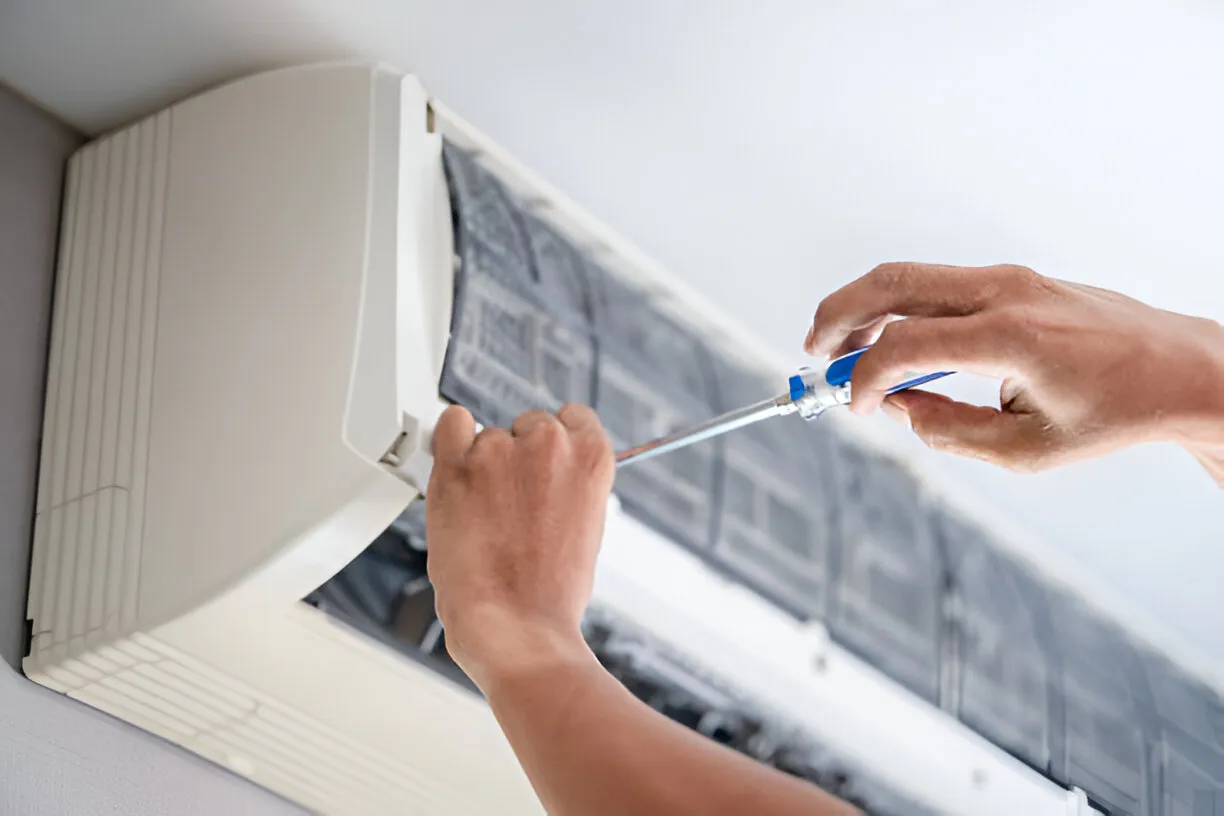
Signs you need an AC replacement in Commerce City, CO
Recognizing replacement signals early can prevent breakdowns on the hottest days and avoid rising utility bills. Look for:
- Age of unit: Most central air systems last about 12 to 15 years. Older systems are more likely to fail and to run inefficiently.
- Frequent repairs: Increasing repair frequency and rising repair costs relative to the unit’s value indicate replacement is a better investment.
- Rising energy bills: If your cooling costs keep climbing despite regular maintenance, the system may be losing efficiency.
- Poor comfort or uneven cooling: Short cycling, long run times, or inconsistent temperatures between rooms often mean the system is undersized, failing, or mismatched to your ductwork.
- Refrigerant issues: Repeated refrigerant leaks or a system that requires R-22 (no longer produced) are strong reasons to replace rather than repair.
- Excessive noise or corrosion: Loud compressor noise, rusted coils, or visible oil can mean imminent failure.
Replacement options and efficiency improvements
When replacing an AC, homeowners typically choose between:
- Like-for-like replacement: New central AC with similar configuration; ideal when ducts and distribution are in good condition.
- High-efficiency upgrade: Modern units with higher SEER ratings deliver substantial energy savings. Current systems commonly range from mid-14 SEER to 20+ SEER for high-efficiency models.
- Ductless mini-split: Good for room additions, homes with limited or no ductwork, or to add zoned control and efficiency.
- Hybrid or heat pump systems: In Colorado’s climate, heat pumps that provide both heating and cooling can be efficient for many homes.
Efficiency gains: Replacing a 10 SEER unit with a 16 SEER unit typically reduces cooling energy use by roughly 30 to 40 percent under similar conditions. Actual savings depend on use patterns, electricity rates, and how well the home is sealed and insulated.
Proper system sizing and ductwork matching
Correct sizing is critical. Oversized equipment cycles frequently and underperforms on humidity control; undersized equipment runs continuously and fails to maintain comfort. Professionals use:
- Load calculation (Manual J) to measure your home’s heating and cooling needs based on square footage, insulation, windows, orientation, and local climate factors like Commerce City’s high altitude and strong solar load.
- Equipment selection (Manual S) to find a unit that meets calculated loads while considering efficiency goals.
- Duct evaluation to ensure the existing ductwork can handle the new system’s airflow. Common duct issues in older homes include leaks, undersized runs, and poor insulation. Solutions include duct sealing, balancing, or modifying duct sizes to match the new system’s static pressure and cfm requirements.
Accounting for Commerce City specifics: high altitude and low humidity affect heat transfer and can influence equipment selection and refrigerant charge. Local technicians will adjust for these conditions.
Removal and disposal of the old unit
Safe, code-compliant removal includes:
- Recovering refrigerant per EPA regulations by certified technicians.
- Disconnecting electrical and condensate lines.
- Removing the outdoor condenser and indoor coil or air handler with minimal disruption.
- Responsible disposal or recycling of metal components and fluids.
Proper refrigerant recovery and disposal protect the environment and avoid legal liability.
Professional installation best practices
A reliable replacement follows industry best practices:
- Verify correct refrigerant charge and oil levels for high-altitude conditions.
- Evacuate and pressure-test refrigeration lines to ensure leak-free connections.
- Size and set the outdoor pad, secure vibration isolation, and ensure proper condensate handling.
- Balance airflow at registers and adjust fan speeds to match manufacturer specifications.
- Calibrate or upgrade the thermostat and confirm system control compatibility.
- Perform a full startup tune-up, measuring airflow, superheat, subcooling, amperage, and system pressures.
Installation quality affects efficiency, longevity, and warranty eligibility. Certified technicians and adherence to manuals are essential.
Rebates and financing options available in Commerce City
Several types of incentives may reduce upfront cost:
- Utility rebates: Local utilities and energy providers often offer rebates for high-efficiency equipment and heat pumps.
- State and federal incentives: Colorado programs and federal tax credits may apply to qualifying high-efficiency systems or electrification projects.
- Manufacturer rebates: Seasonal manufacturer incentives can lower equipment cost.
- Financing: Many homeowners use HVAC financing plans or home improvement loans to spread payments over time.
Eligibility and amounts change periodically, so factor potential incentives into your replacement decision and ask your provider to review available programs and documentation requirements.
Projected energy savings and return on investment
Estimating ROI requires knowing your current system efficiency, annual cooling hours, and local electricity rates. A simple approach:
- Calculate current annual cooling energy cost using the old SEER.
- Estimate cost with a new higher-SEER unit under similar usage.
- Subtract to find annual savings, then divide replacement cost minus rebates by that annual savings to estimate simple payback years.
Example outcomes: Replacing a very old unit can yield payback in less time when factoring high usage in hot months, local electricity rates, and available rebates. Improved comfort and reduced repair risk add non-monetary value.
Warranty coverage and what to watch for
Typical warranties include:
- Manufacturer parts and compressor warranty: Often 5 to 10 years for compressors and parts when registered.
- Labor warranty: Provided by the installing contractor; terms vary widely.
- Extended warranties: Available for added protection but require regular maintenance.
To preserve warranty coverage, follow manufacturer registration instructions and keep regular maintenance records. Improper installation or failure to maintain can void portions of the warranty.
Long-term benefits and maintenance advice
A properly chosen and installed replacement delivers:
- Lower operating costs and improved comfort during Commerce City’s hot summers.
- Better humidity control and consistent indoor temperatures.
- Reduced repair frequency and longer equipment life.
Maintenance tips:
- Schedule annual tune-ups before cooling season.
- Replace filters regularly to protect coils and airflow.
- Keep outdoor unit clear of debris and maintain proper clearance.
- Address duct leaks and insulation to maximize system efficiency.
Replacing your air conditioner is a technical decision with lasting effects on comfort and energy costs. In Commerce City homes, accounting for local weather patterns, altitude, and utility incentives ensures your new system delivers reliable comfort and optimal value for years to come.
Promotions
Save on seasonal system checks from a local team that treats your home like our own.

Testimonials
Neighbors trust Quality Heating & Air for honest work and fair pricing.