
Air Conditioning Installation in Commerce City, CO

Air Conditioning Installation in Commerce City, CO
Installing a new air conditioning system is one of the most effective ways to improve comfort, reduce energy bills, and protect your home from summer heat. For Commerce City, CO homeowners, a proper AC installation must account for local climate patterns, elevation, and building characteristics to deliver reliable cooling during hot July and August peaks while maintaining efficiency year-round. Below is a clear, expert overview of the full air conditioning installation process, common local issues, and practical guidance to ensure a long-lasting, correctly sized system.
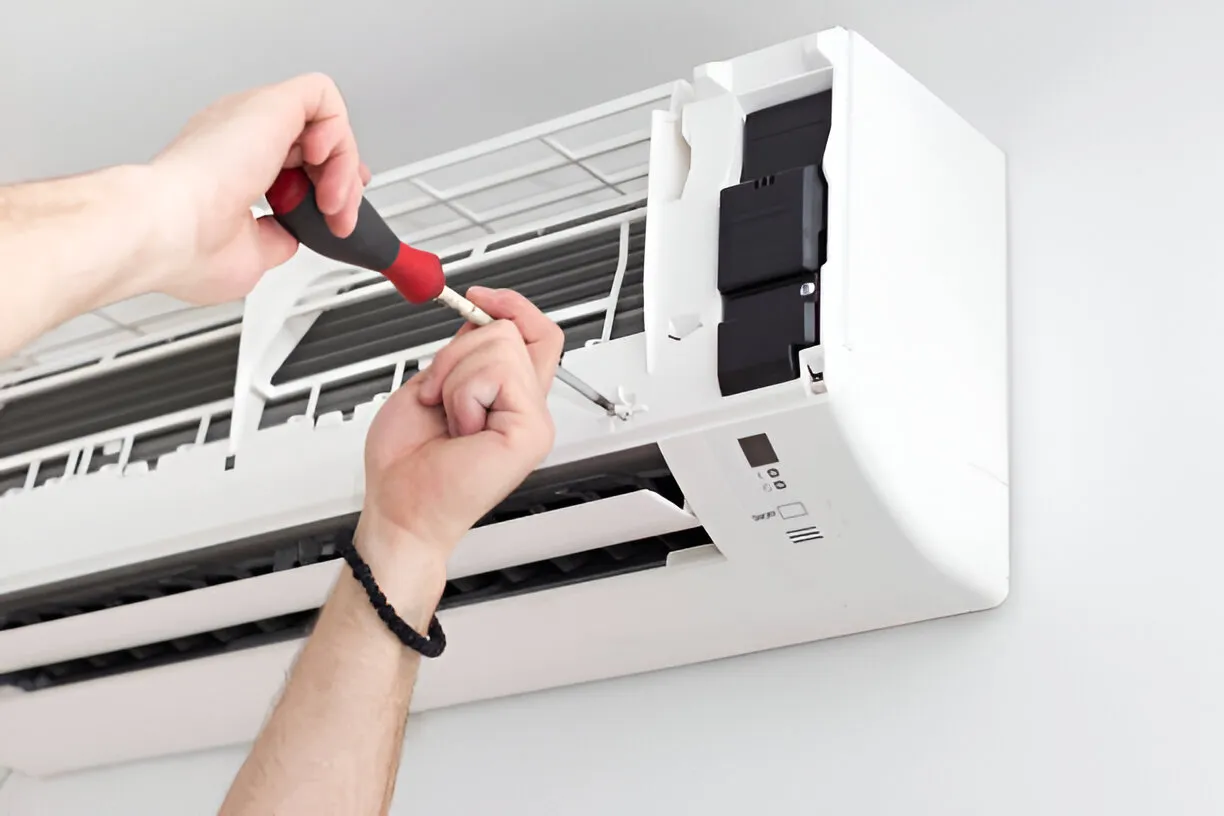
Why a tailored AC installation matters in Commerce City, CO
Commerce City experiences warm, dry summers with occasional humid storms. Homes here vary from newer developments to older properties with legacy ductwork. At higher elevations around the Denver metro area, lower air density affects heat transfer and airflow. That makes accurate sizing, proper refrigerant charge, and correct airflow critical to system performance and efficiency in Commerce City homes.
Common AC installation needs and issues in Commerce City
- Oversized systems that short-cycle, causing poor humidity control and higher wear
- Undersized systems that struggle on peak days and shorten equipment life
- Inadequate duct sealing or improper duct sizing leading to uneven rooms and wasted energy
- Corroded or outdated outdoor units in homes near busy roads or industrial zones
- Old thermostats and control mismatch with modern variable-speed equipment
- Permitting or code compliance gaps when replacing equipment without proper documentation
Initial consultation and home assessment
The process begins with an on-site consultation and detailed home assessment:
- Walkthrough of living areas, attic, basement, and equipment locations
- Discussion of comfort goals, budget, and any known problem areas
- Visual inspection of existing HVAC equipment and ductwork condition
- Measurement of windows, insulation levels, shading, and occupancy patternsThis assessment establishes the information needed for accurate load calculations and system recommendations tailored to Commerce City homes.
Load calculations and proper unit sizing
Accurate sizing is non-negotiable. Technicians perform Manual J load calculations to determine your home’s sensible and latent cooling requirements. Manual S is then used to select equipment that meets those loads. Key sizing principles:
- Avoid oversizing: it reduces humidity control and increases cycling
- Account for local solar load, insulation, window orientation, and occupancy
- Consider sensible vs latent load to maintain indoor humidity during monsoon-like storms
Guidance on energy-efficient model and brand selection
Energy efficiency saves money and improves comfort. Consider these features and options:
- SEER rating: aim for high-SEER units that are practical for local climate (SEER 16+ commonly recommended)
- Variable-speed or two-stage compressors: improve comfort, humidity control, and efficiency
- Matched system components (outdoor unit and indoor coil/air handler) for warranty and optimal performance
- Reputable brands commonly available and supported in the region include Carrier, Trane, Lennox, Daikin, and AmanaSelecting models that perform well at elevation and pair with your duct system ensures peak results in Commerce City.
Permit and code considerations
Permits and code compliance protect safety and resale value. Typical requirements include:
- Mechanical and electrical permits for equipment replacement or new installations
- Compliance with local building codes and utility regulations in Adams County and Commerce City
- EPA 608 certification for technicians handling refrigerants
- Proper documentation for inspections, refrigerant reclamation, and disposal of old equipmentFollowing permitting procedures ensures installation meets current safety and efficiency standards.
Step-by-step professional installation procedures
A professional installation typically follows these steps:
- Site preparation: confirm clearances, pad location, and access for service and airflow
- Remove existing system: recover refrigerant safely, disconnect electrical and duct connections, and remove old equipment
- Install outdoor unit and pad or mount: level pad, ensure proper airflow clearance, and secure unit
- Install indoor unit/coil or air handler: fit coil to plenum, verify compatibility with outdoor unit
- Run refrigerant lines, electrical, and condensate drains: insulate line set and secure routing to minimize heat gain
- Connect ducts and seal joints: ensure tight transitions between equipment and existing ductwork
- Evacuate and charge refrigerant accurately: pull vacuum, verify manufacturer charge, and adjust for elevation if required
- Start-up and commissioning: test safety controls, airflow, refrigerant pressures, and thermostat calibration
- Homeowner orientation: explain system operation, filter locations, and maintenance basics
Post-installation testing and commissioning
Thorough testing verifies performance and durability:
- Measure airflow and static pressure to confirm proper fan settings
- Verify correct refrigerant charge and operating pressures for elevation
- Check thermostat communication and control sequences
- Measure temperature split (delta T) across the coil for proper cooling
- Inspect condensate drainage and secondary safety drains
- Document system settings, serial numbers, and warranty information
Warranty and financing options (overview)
Most installations include a combination of warranties:
- Manufacturer warranty on the compressor and major components
- Labor warranty from the installer covering workmanship for a specified period
- Extended warranty options and annual maintenance plans are commonly available to protect long-term performanceFinancing programs may include installment or lender-backed options to spread investment cost. Review terms carefully, including interest and contract length, before choosing.
Tips for maintaining peak performance
Regular maintenance preserves efficiency and extends lifespan:
- Replace or clean filters every 1 to 3 months depending on use and indoor air quality
- Schedule professional tune-ups before cooling season and mid-season checks for high-use years
- Keep 2 to 3 feet of clear space around the outdoor unit and trim vegetation that blocks airflow
- Inspect condensate drain lines annually to prevent backups
- Seal and insulate ducts, especially in unconditioned spaces, to reduce losses
- Upgrade thermostats to programmable or smart models to reduce runtime and save energy
Long-term benefits of a correct installation
A properly sized and professionally installed AC system delivers:
- Consistent comfort with improved humidity control during Commerce City summers
- Lower energy bills through correct matching and high-efficiency equipment
- Reduced repair frequency and longer equipment life thanks to correct charging and airflow
- Compliance with local codes and better home resale value due to documented, permitted work
A thoughtful installation process that includes accurate load calculations, attention to local climate and elevation, and careful commissioning will keep your home comfortable and efficient for years.
Promotions
Save on seasonal system checks from a local team that treats your home like our own.

Testimonials
Neighbors trust Quality Heating & Air for honest work and fair pricing.