
Air Conditioning Repair in Louisville, CO

Air Conditioning Repair in Louisville, CO
Keeping your home cool and safe during Louisville summers depends on a reliable air conditioner. When an AC fails, the problem can be anything from a simple capacitor replacement to a major compressor or refrigerant leak.
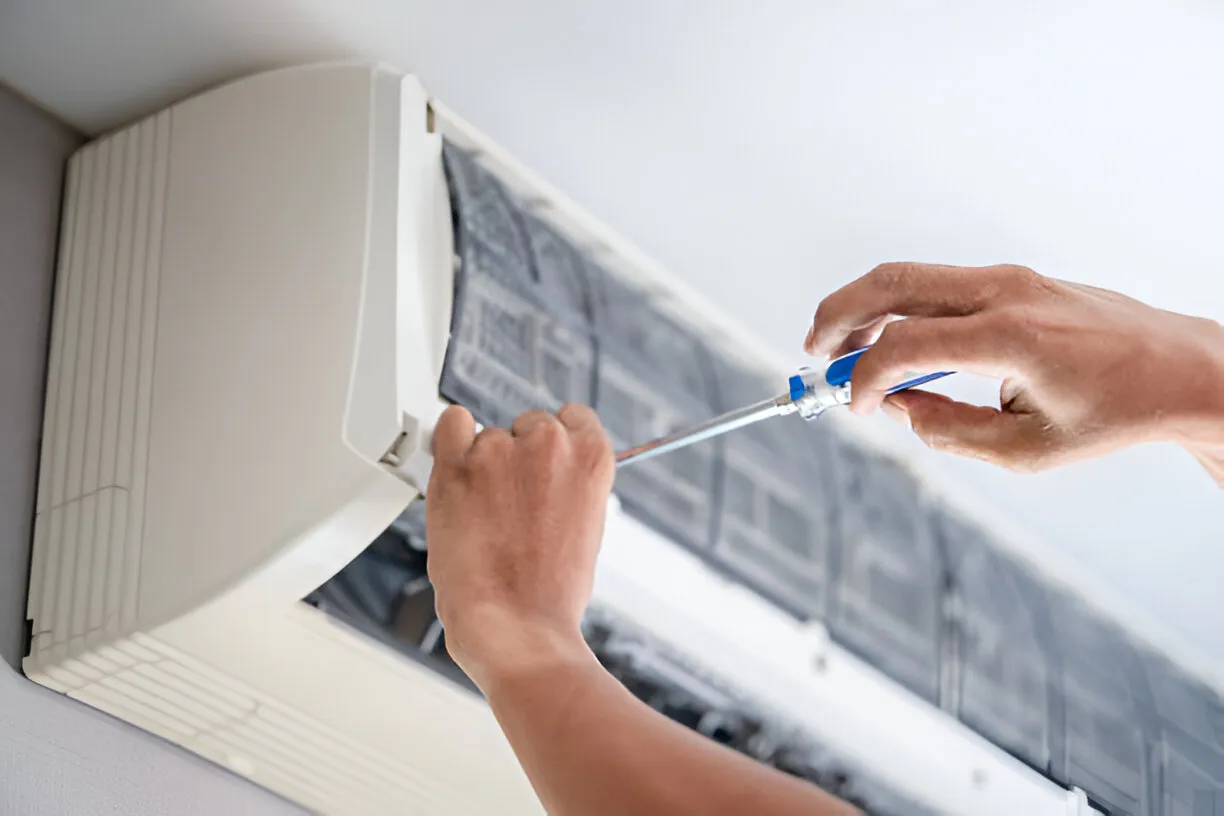
Common AC failure symptoms in Louisville, CO
Recognizing problems early helps avoid costly breakdowns. Look for these signs that your AC needs professional repair:
- Weak or warm airflow from vents — often due to low refrigerant, a failing compressor, or clogged coils.
- Short cycling (system turns on and off frequently) — can indicate electrical issues, a bad capacitor, or an oversized thermostat setting.
- Strange noises (clanking, buzzing, grinding) — loose parts, failing motors, or damaged compressors.
- Frequent tripped breakers or blown fuses — electrical faults, worn capacitors, or motor problems.
- Ice on the evaporator coil — restricted airflow or low refrigerant charge.
- High humidity or poor cooling on hot days — reduced system capacity, refrigerant leaks, or failing fans.
- Visible refrigerant oil or wet spots near lines — likely refrigerant leaks requiring immediate attention.
- Burning smells or smoke — a potential electrical failure; power down the system and seek emergency service.
Louisville’s semi-arid, high-altitude summers can put extra stress on systems that are neglected or undersized. Afternoon heat spikes and dusty, pollen-heavy conditions increase the likelihood of clogged filters and dirty coils, contributing to many of the symptoms above.
How we diagnose AC problems
A reliable repair starts with a thorough, methodical diagnostic process:
- Initial symptom review — discuss what you’re experiencing, when it started, and any recent changes.
- Visual inspection — check the outdoor condenser, indoor air handler, wiring, filters, and drainage.
- Electrical testing — measure voltages, currents, and capacitor health to pinpoint electrical faults.
- Refrigerant and pressure checks — inspect refrigerant charge and look for pressure anomalies that indicate leaks or undercharge.
- Airflow and temperature measurements — verify supply and return temperatures and measure static pressure and CFM if needed.
- Leak detection — use electronic detectors, UV dyes, or soap tests on suspected refrigerant lines.
- Component functional tests — run the system to observe compressor, fan, and control board operation under load.
Diagnostics identify the root cause so repairs target the real problem rather than masking symptoms.
Typical AC repairs and what they involve
Common repairs are focused on restoring cooling performance and electrical safety. Typical jobs include:
- Capacitor and contactor replacement
- Why: Capacitors and contactors wear out over time and are common causes of startup failures and buzzing noises.
- What we do: Replace failed capacitors/contactors, test startup current, and verify proper fan and compressor operation.
- Compressor repair or replacement
- Why: A failed compressor is a major cause of no-cool conditions.
- What we do: Diagnose whether a compressor is salvageable; if replacement is required, recover refrigerant, replace the compressor, evacuate/rehydrate the system, and recharge to proper charge.
- Refrigerant leak detection and repair
- Why: Leaks reduce efficiency and can damage the compressor when run under low charge.
- What we do: Locate and repair leaks, replace damaged line sets or fittings as needed, vacuum and recharge the system, and test for integrity.
- Electrical repairs and control board replacement
- Why: Corroded or damaged wiring and failing control boards cause unpredictable operation and safety hazards.
- What we do: Repair wiring, replace breakers or control boards, and ensure all electrical components meet code.
- Condenser and evaporator coil cleaning or repair
- Why: Dirty coils reduce heat transfer and can cause freezing or overheating.
- What we do: Clean coils, straighten fins, and repair or replace coils if they are leaking or heavily damaged.
- Blower motor and fan repairs
- Why: Reduced airflow or noisy operation is often due to worn motors or belts.
- What we do: Repair or replace blower motors, bearings, belts, and fan blades; balance fans for smooth operation.
- Drain line and condensate pan repair
- Why: Clogged drains can cause water damage and secondary failures.
- What we do: Clear clogs, disinfect drain lines, repair pans, and install safeties such as float switches.
Emergency and rapid-response options
Certain situations require immediate attention:
- No cooling during a multi-day heat wave
- Burning smells, smoke, or visible electrical arcing
- Repeated breaker trips or sparking components
- Major refrigerant loss or exposed refrigerant on surfaces
In these cases, shut off the AC at the thermostat and the breaker if you detect burning smells or smoke. For heat only (no safety concern), shutting off the system prevents further damage. Emergency repairs prioritize safety and stabilization — isolating electrical faults, removing power to unsafe components, or providing temporary cooling solutions while parts are sourced.
Technician qualifications and safety protocols
Qualified technicians should hold industry certifications and follow strict safety protocols:
- NATE certification or equivalent HVAC credentials and ongoing training.
- EPA 608 certification for refrigerant handling and recovery.
- Use of PPE, lockout/tagout for electrical safety, and safe refrigerant recovery practices.
- Compliance with local codes and manufacturer guidelines for warranty and safety.
- Documentation of diagnostics, parts replaced, and post-repair testing.
These standards protect your home, the equipment, and your family’s health.
Estimated repair timelines and pricing transparency
Repair timeframes vary by issue:
- Minor electrical or capacitor repairs: typically a few hours and can often be completed same day.
- Refrigerant leak repair: depends on leak location; can range from same day for simple leaks to 1-2 days if line replacement is required.
- Compressor replacement: usually 1-2 days, factoring parts availability and system evacuation/recharge.
- Major coil or system rebuilds: may take multiple days.
Pricing depends on parts, refrigerant type, unit age, accessibility, and whether replacement components are OEM. Transparent estimates should itemize diagnostics, parts, labor, and any required permits or disposal fees. Expect technicians to explain options, repair necessity, and cost drivers so you can make an informed decision.
Maintenance recommendations to prevent future breakdowns
Regular maintenance reduces failures and extends system life. Recommended steps for Louisville homes:
- Seasonal tune-ups: annual spring inspection before summer peak to check charge, belts, motors, and safety controls.
- Filter changes: every 1-3 months; Louisville’s pollen, dust and occasional wildfire smoke make frequent changes important.
- Keep outdoor unit clear: trim vegetation and remove debris to maintain airflow.
- Clean coils and check condensate drains annually.
- Install quality filters or air purification if smoke or pollen is a recurring issue.
- Monitor thermostat settings and cycling to spot early signs of trouble.
Why prompt AC repair matters in Louisville?
COTimely repairs restore comfort, improve efficiency, and prevent minor issues from becoming costly failures. In Louisville’s climate, where summer heat and airborne particulates create added strain on systems, addressing symptoms early preserves indoor air quality, lowers energy use, and extends equipment life. Proper diagnosis, transparent pricing, and certified technicians ensure repairs are done safely and effectively so your home stays comfortable when you need it most.
Promotions
Save on seasonal system checks from a local team that treats your home like our own.

Testimonials
Neighbors trust Quality Heating & Air for honest work and fair pricing.